Divinity II: Developer's Cut
Forget everything you know about Larian from Original Sin onward: this is scrappier, weirder, and it lets you become a literal dragon. Worth the time investment if you can forgive its mid-2000s rough edges.
GamerScout Verdict
Best for RPG fans who want freeform builds, a genuinely weird dual-form gimmick, and can tolerate dated rough edges.
Compare Prices(4 stores)
Every store in this table quotes us in euros, so the EUR figure is the price the seller actually set, not our arithmetic — which is why EUR is also the currency we rank in. We only list an offer here when the store gives us its price in euros, so nothing in this table is a number we invented.
Pick USD, PLN, GBP, CAD or AUD in the header and we convert from EUR at the European Central Bank reference rate — converted amounts are prefixed with ~. Your bank or the store may apply a different rate at checkout. We never hide offers based on where you are: everyone sees this whole table.
We may earn a commission when you buy games through links on this page — at no extra cost to you. It never affects our rankings or verdicts.
Price History
Screenshots & Media
About Divinity II: Developer's Cut
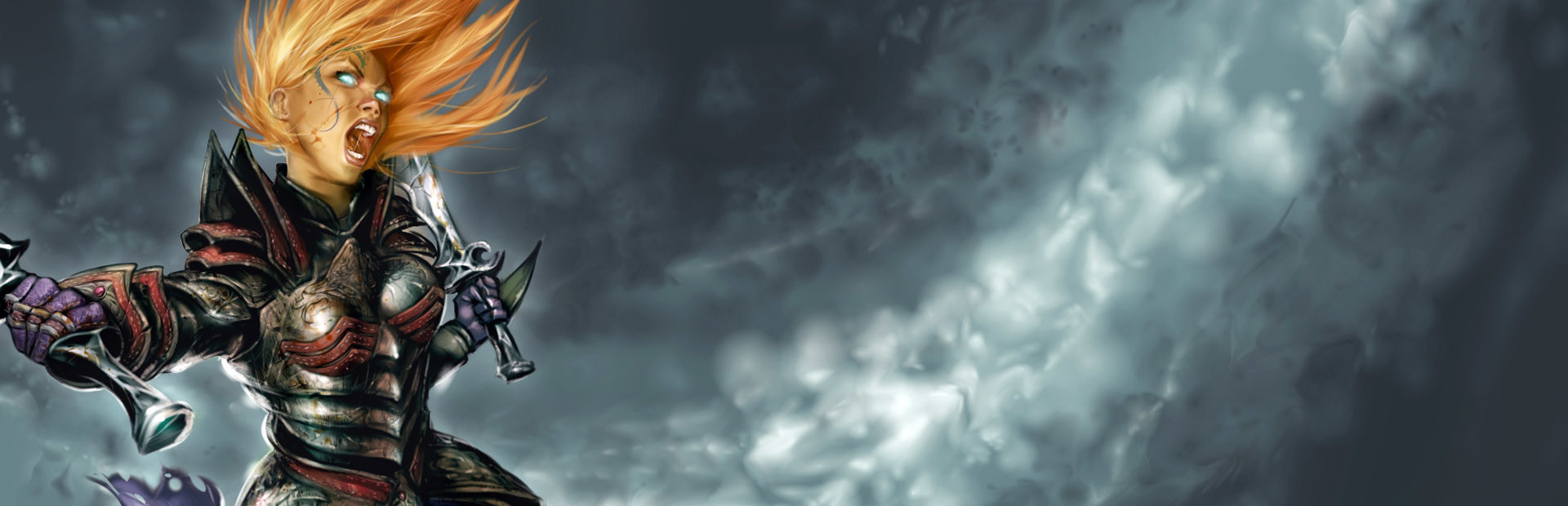
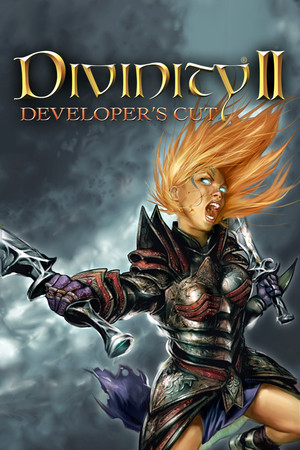
I came to Divinity II: Developer's Cut already knowing how the Larian story ends, which made playing this oddly poignant. This is the studio running hard after action-RPG trends, doing something genuinely unusual with the result, and producing a game that the community spent years quietly calling a hidden gem while the rest of the world ignored it. That reputation is earned, though not without caveats. The hook is the dual-form system. You start as a Dragon Knight, a hunter of dragons who becomes involuntarily converted into the thing you were trained to destroy. In human form, the game plays as a third-person action-RPG with freeform character progression: pick a starting package (knight, ranger, or sorcerer), then spend skill points across five schools however you like, mixing roles freely because no class gate exists to stop you. Alchemy lets you brew potions, enchanting upgrades gear, and a necromancy system lets you assemble and customize a summonable undead creature from body parts you loot off enemies, which is exactly as delightful and strange as it sounds. Midgame you acquire the Battle Tower as a home base, and shortly after that the dragon form unlocks for outdoor areas. As a dragon, combat shifts to three-dimensional aerial engagements with its own skill set and equipment slots, though dragon combat is honestly the weaker half of the experience: serviceable, occasionally thrilling, but a little thin compared to the ground game. The Mindread mechanic is where Divinity II earns its RPG credentials. Spending experience points to read an NPC's mind is one of the more inspired friction mechanics I've seen. It costs you something real, it reveals embarrassing secrets, it unlocks hidden quests and extra dialogue branches, and it rewards the kind of player who actually talks to everybody. The writing throughout has genuine wit: guards bicker, villagers have secrets worth uncovering, and Larian's taste for absurdist comedy is already present here in ways that will feel familiar if you've spent time with their later work. The quest writing is uneven, and some of the side content tips into filler territory, but the main throughline and the world of Rivellon hold up well enough to keep you moving. The Developer's Cut specifically bundles the Flames of Vengeance expansion, which continues directly from the base game's controversial original ending and adds another fifteen to thirty hours. The expansion is more constrained, spending a chunk of time in a single city zone that some players find limiting after the open outdoor areas of Ego Draconis. The base game's balance also has rough spots: a crafted or enchanted weapon can trivialize later content badly, some boss encounters have strange design choices involving percentage-based enemy healing, and a few fights feel like they are testing patience more than skill. Performance on modern hardware occasionally needs a 4GB memory patch to avoid load screen issues, so check the community guides before you start. What holds up best is the atmosphere and the sheer strangeness of the premise. The community on Steam sits at Very Positive across thousands of reviews, and players consistently cite the Mindread system, the freedom of exploration, and the quality of the voice cast across over four hundred characters as the reasons to push through its jank. If you are the kind of RPG player who values discovery over polish, who liked the idea of Rivellon before Divinity: Original Sin gave it a full coat of paint, this is worth your time. Approach it as the rough earlier chapter of a studio that went on to make BG3, and its imperfections become context rather than dealbreakers.

RPGs
Tags
System Requirements
Minimum
- OS
- Windows XP SP3 or higher
- Sound
- DirectX9.0c compatible
- Memory
- 1 GB RAM
- Graphics
- Nvidia GeForce 7600 with 256MB RAM or equivalent
- DirectX®
- 9.0c
- Processor
- Intel Core 2 Duo 1.8Ghz or equivalent
- Additional
- When running Windows Vista or higher, double the required memory
- Hard Drive
- 15 GB HD space
Recommended
- OS
- Windows XP SP3 or higher
- Sound
- DirectX9.0c compatible
- Memory
- 2 GB RAM
- Graphics
- Nvidia GeForce 8800 with 512MB RAM or equivalent
- DirectX®
- 9.0c
- Processor
- Intel Core 2 Duo 2.6Ghz or equivalent
- Additional
- When running Windows Vista or higher, double the required memory
- Hard Drive
- 15 GB HD space
Keep exploring
Community Discussion
Be the first to comment on Divinity II: Developer's Cut.
Reviews & Ratings
No ratings available
Game Info
- Developer
- Larian Studios
- Publisher
- Larian Studios
- Release Date
- Oct 29, 2012