Disciples III - Renaissance Steam Special Edition
A gothic fantasy strategy with genuine visual charm that wastes it on shallow AI, a botched combat overhaul, and a tutorial that barely functions. Approach as a curiosity, not a recommendation.
GamerScout Verdict
Series completionists and atmosphere-chasers only; everyone else should jump straight to Disciples III: Reincarnation instead.
Compare Prices(0 stores)
Loading prices...
We may earn a commission when you buy games through links on this page — at no extra cost to you. It never affects our rankings or verdicts.
Price History
Screenshots & Media
About Disciples III - Renaissance Steam Special Edition
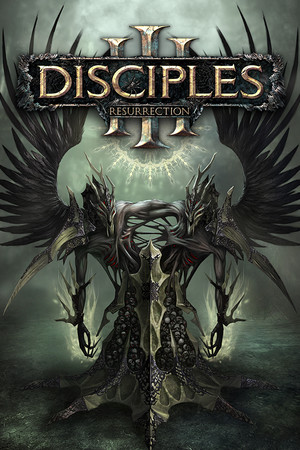
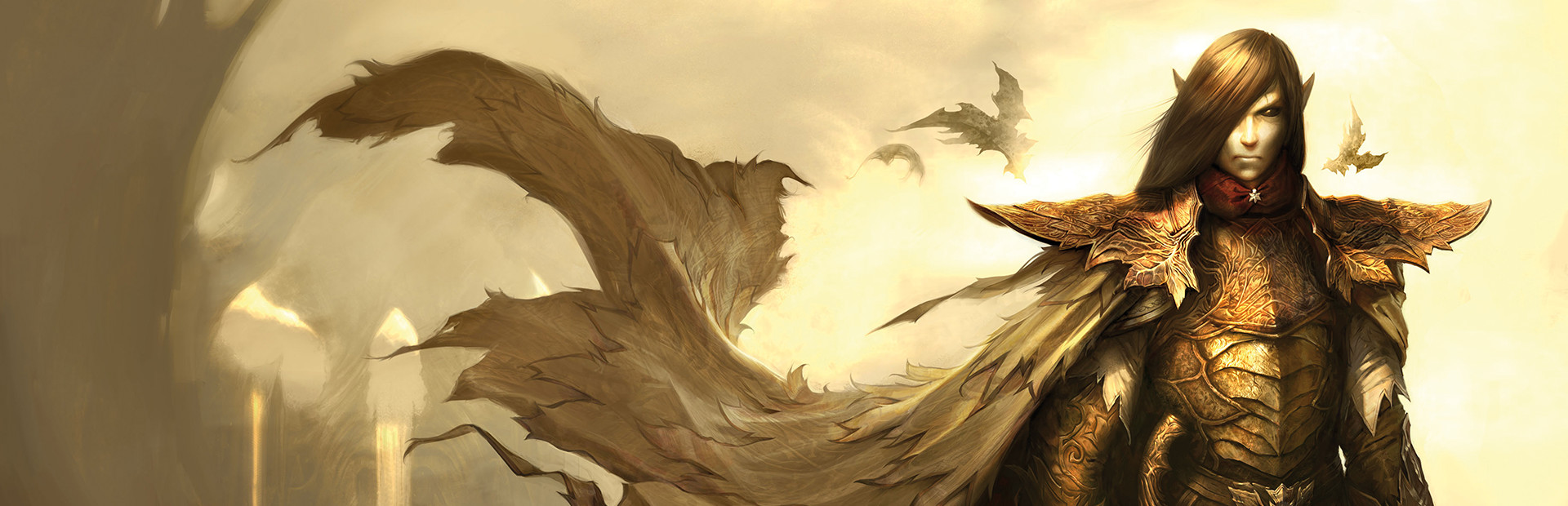
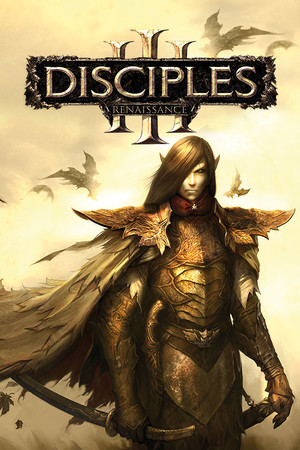
I have a colour-coded folder for every turn-based strategy title I have ever finished, and Disciples III: Renaissance sits in the red column with a reluctant asterisk next to it. The bones of an interesting game are here, but they are buried under so many bad decisions, technical embarrassments, and missed opportunities that excavating them feels more like archaeology than entertainment. The overworld loop is the one place the game earns its keep. You command hero-led squads across a hex-influenced campaign map, capturing resource nodes and territory that feed your capital city one build per turn. That city management loop has genuine texture: constructing a magic tower unlocks spell research, a guild opens thief recruitment, and branching unit upgrade paths let you steer a basic soldier toward either a knight or a witch hunter, each with distinct stat profiles. Planning your build order around the scenario objectives is the closest this game gets to the strategic depth the series always promised. The problem is that this overworld layer is the entire game, because the combat that should complement it is largely broken. The new 3D hex battlefield was supposed to add tactical layers to the elegant two-rank system from Disciples II. What it actually delivers is longer fights against an AI that ignores its own special tiles, ignores AoE positioning, and rushes your units in straight lines. The result is that most encounters are foregone conclusions well before anyone reaches a mid-game unit tier. Three playable factions, the human Empire, the Elven Alliance, and the Legion of the Damned, each carry a multi-scenario campaign with branching story arcs, but by the time repetition sets in around a third of the way through, the weak AI has already stripped any remaining suspense from the battles. Hero leaders level up through a simplified ability board and can cast spells or disable priority targets, but because standard fights resolve so predictably, the Quick Battle auto-resolve button becomes your primary combat interaction. That is not a good sign in a strategy RPG. The presentation is the one thing nearly every reviewer agrees on: the dark gothic art direction is genuinely striking, and the creature design has a grim, adult weight that Heroes of Might and Magic's brighter palette never attempted. The orchestral atmosphere holds up reasonably well too. What does not hold up is the voice acting, which ranges from flat to actively distracting, or the tutorial, which is incomplete and drops new players in without adequately explaining unit formation logic or resource prioritisation. Multiplayer is hotseat-only, with a thin selection of standalone maps, which makes the feature feel bolted on rather than designed. Fans of Disciples II should also know that two classic factions, the Undead Hordes and Mountain Clans, were cut from Renaissance, with only one partially restored via a later expansion. If you are approaching this as a series newcomer hunting for a Heroes of Might and Magic alternative, the smarter path is Disciples III: Reincarnation, the later re-release that combines Renaissance and its expansion on an updated engine. Renaissance in its original Steam Special Edition form is a product of its rushed launch era, with bugs and AI problems that no further patch will resolve. The visual atmosphere is real, the city-building loop has enough decision nodes to interest a patient builder, and cranking difficulty up can create some AI aggression that at least keeps you honest. But the strategic depth that the genre demands, and that this series once delivered, is not here in sufficient quantity to justify the time investment for anyone outside of die-hard Disciples completionists.

Strategy & simulation
Tags
System Requirements
Minimum
- OS
- Windows XP SP 2 / Vista / Windows 7
- Sound
- DirectX compatible
- Video
- DirectX 9.0 compatible, 128 MB (Shader Model 2.0 required)
- Memory
- 1 GB
- DirectX®
- 9.0c
- Processor
- 2 GHz Single Core
- Hard Disk Space
- 5 GB
Keep exploring
Community Discussion
Be the first to comment on Disciples III - Renaissance Steam Special Edition.
Reviews & Ratings
Game Info
- Developer
- Akella
- Publisher
- Kalypso Media Digital
- Release Date
- Jul 16, 2010