Dark Nights with Poe and Munro
Six episodes of campy British paranormal TV you actually control - if you can live with ambiguous icon choices and a three-hour runtime that ends before it ever overstays its welcome.
GamerScout Verdict
Best for FMV fans and D'Avekki faithful who want three hours of campy British paranormal television they can actually steer.
Compare Prices(6 stores)
Every store in this table quotes us in euros, so the EUR figure is the price the seller actually set, not our arithmetic — which is why EUR is also the currency we rank in. We only list an offer here when the store gives us its price in euros, so nothing in this table is a number we invented.
Pick USD, PLN, GBP, CAD or AUD in the header and we convert from EUR at the European Central Bank reference rate — converted amounts are prefixed with ~. Your bank or the store may apply a different rate at checkout. We never hide offers based on where you are: everyone sees this whole table.
We may earn a commission when you buy games through links on this page — at no extra cost to you. It never affects our rankings or verdicts.
Price History
Screenshots & Media
About Dark Nights with Poe and Munro
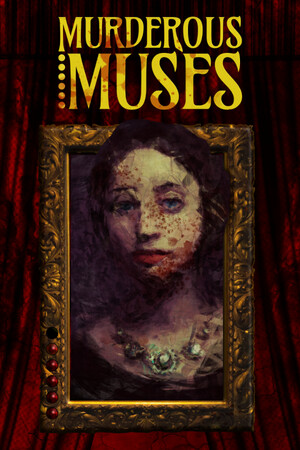
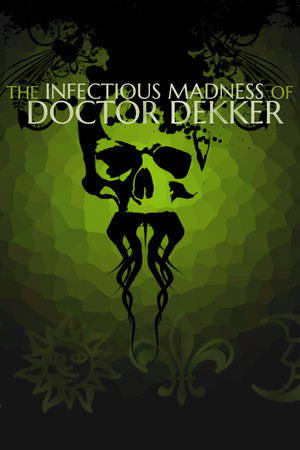
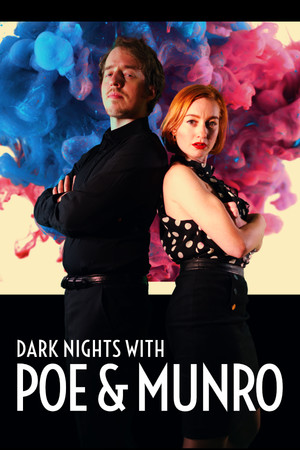
I've spent enough time with scrappy FMV studios to know the difference between a passion project and a content drop, and Dark Nights with Poe and Munro lands firmly in the first camp. D'Avekki Studios - a husband-and-wife outfit - set up residence in the fictional British town of August and handed two returning radio hosts a season's worth of supernatural mischief to stumble through. The result feels less like a game in the traditional sense and more like interactive late-night television, the kind that airs after the sensible programming has gone to bed. The format is six self-contained episodes, each running roughly ten to thirty minutes, where radio hosts John 'Poe' Pope and Ellis Munro take calls about dreams and nightmares and, reliably, end up elbow-deep in something worse. Stalkers, werewolves, hypnosis, a demonic painting that grants wishes - the premises are gloriously pulpy and owe a visible debt to 1990s paranormal television, the sort of X-Files-adjacent atmosphere where the weirdness is the point. Choices happen via a timed hotspot system: icons appear on screen, a countdown circle shrinks, and you click something before time runs out. The freeze-frame option in the settings is a genuine mercy, because the icon design is often cryptic enough that a whistle and a clock can send the story in directions you did not intend. Turning off the timer costs nothing and I recommend doing it without guilt. Episode 6, built around a branching early choice that splits the story into two almost entirely different experiences, is where the system finally clicks into something genuinely replayable. The performances carry most of the weight here, and they mostly earn it. Leah Cunard as Munro is the standout - warm, quietly funny, capable of real texture when the scripts give her room. Klemens Koehring's Poe plays the same frequency as community theatre leading man, all dramatic line readings and theatrical exasperation, and whether that reads as charming or grating will likely determine how much the whole experience works for you. Their chemistry is real, and the overarching tension of their relationship - Poe is married, Munro is tired of waiting - threads through each episode like a minor-key signal underneath the supernatural noise. Episode 4 deliberately shifts register, placing Munro in a Doctor Dekker-style therapy session where Cunard delivers her best performance in the series. It is a fan-service detour, but it earns its place. The honest friction is this: players who came expecting Until Dawn-style consequence will feel underserved. The branching produces different dialogue flavours and occasional alternate scenes rather than genuinely divergent outcomes, and the anthology structure means episode-to-episode continuity is loose at best. Each story resets, which some players will find liberating and others will find frustrating. The choice interface never fully solves its legibility problem either - there are moments where you make a selection and watch Poe do something you could not have predicted from the icon. The total runtime on a first play sits around three hours, which is either lean and focused or too short depending on your temperament toward FMV as a medium. For the right audience - FMV fans who appreciate craft over scale, anyone who wants a couch-friendly anthology of strange British fiction with actual warmth behind it, or people who played The Shapeshifting Detective and want to spend more time in August - this is a comfortable recommendation. Come in knowing you are watching something interactive rather than playing something consequential, and the handcraft shows through in every odd corner of it.

Indie & narrative
Tags
System Requirements
Minimum
- OS
- Windows 7 64-bit
- Memory
- 2 GB RAM
- DirectX
- Version 11
- Storage
- 8 GB available space
- Graphics
- NVIDIA GeForce GTX 260 / AMD Radeon HD 5750. OpenGL 3.3
- Processor
- Intel i5-4590 / AMD FX 8350 equivalent or greater
Recommended
Requires a 64-bit processor and operating system
Keep exploring
Community Discussion
Be the first to comment on Dark Nights with Poe and Munro.
Reviews & Ratings
Game Info
- Developer
- D'Avekki Studios Ltd
- Publisher
- D'Avekki Studios Ltd
- Release Date
- May 19, 2020