Beyond Galaxyland
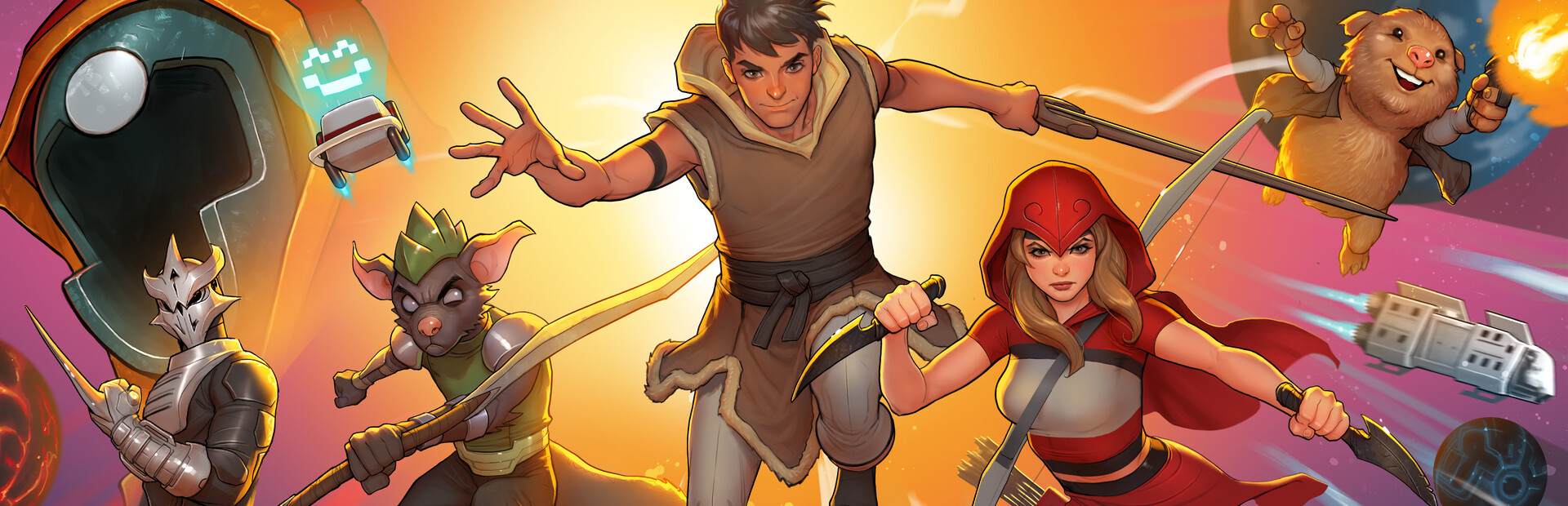
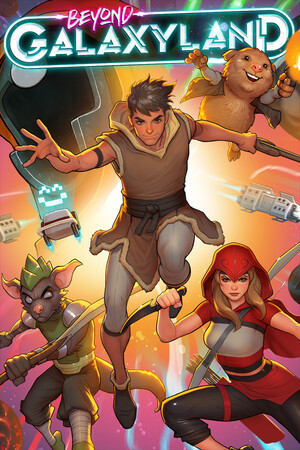
One solo dev. One teenage kid. One gun-toting guinea pig. Twenty-five hours of pixel-art sci-fi RPG that earns every comparison to Chrono Trigger and Final Fantasy it quietly reaches for.
GamerScout Verdict
Best for JRPG fans willing to accept clunky platforming in exchange for a combat system and story with genuine handmade warmth.
Compare Prices(8 stores)
Every store in this table quotes us in euros, so the EUR figure is the price the seller actually set, not our arithmetic — which is why EUR is also the currency we rank in. We only list an offer here when the store gives us its price in euros, so nothing in this table is a number we invented.
Pick USD, PLN, GBP, CAD or AUD in the header and we convert from EUR at the European Central Bank reference rate — converted amounts are prefixed with ~. Your bank or the store may apply a different rate at checkout. We never hide offers based on where you are: everyone sees this whole table.
We may earn a commission when you buy games through links on this page — at no extra cost to you. It never affects our rankings or verdicts.
Price History
Screenshots & Media
About Beyond Galaxyland
I came into Beyond Galaxyland already soft on the premise - a one-person project, a retro-sci-fi heart, a guinea pig named Boom Boom who eventually gets a rocket launcher - and it still surprised me. Sam Enright built this thing alone, which stops being an asterisk around the third planet you visit and starts becoming genuinely staggering. The craftsmanship shows in a way that a larger team can sometimes sand away: every world has a distinct personality, the soundtrack transitions from overworld themes into battle music by reworking the same melody at a different tempo, and the pixel art lands somewhere between hyperdetailed 16-bit and an old 90s DOS adventure, with dynamic lighting that gives each area real atmosphere. The combat is where the handcraft cuts deepest. It borrows the Active Time Battle rhythm from classic Final Fantasy titles and layers in active defensive timing from the Mario RPGs - you press at the right moment to reduce incoming damage, and each enemy has its own attack cadence, so reading the room matters. Normal attacks fill a shared Ability Point meter while misses drain it, which creates a quiet tension around accuracy that most turn-based games skip entirely. Captured enemies can be summoned mid-fight as healers, attackers, or debuffers, adding a creature-collection wrinkle that rewards exploration and photographs alike. Doug can scan enemies with his camera before engaging to reveal their health and elemental weaknesses, which is genuinely useful and feels in-character. The party of three - Doug, Boom Boom, and rotating companions like Rosie and Pablo - has some character-blurring in stat progression, but varied gear and accessories keep combat options interesting across the roughly 25-hour runtime, with a New Game Plus mode adding a harder pass for those who want it. Outside of combat, things are a little rougher. The side-scrolling platforming - Doug gets a double jump early on - has been widely flagged as clunky, and some reviewers found the distance inconsistent enough to become more trial-and-error than skill expression. The quest structure is mostly fetch-and-return, reliable but rarely inventive. Two racing minigames starring Boom Boom (bike races and ship circuits) are a breezy distraction, and a monster battle arena aboard the Casino Ship adds optional depth for completionists. A foreground-to-background layer shift during exploration adds spatial variety, though it sits alongside a light physics puzzle system and a late stealth section that feel underdeveloped. The crafting - tonics, relics, artifacts - works cleanly but is locked to save points, and there is no autosave, which is worth knowing before long dungeon stretches. Where the whole thing holds together is in its writing. The story of Doug, a displaced teenager piecing together what happened to Earth through the mysteries of DreamCore, the Queen, and an entity called The End, has enough genuine feeling behind it to carry the slower stretches. The characters are likeable without being saccharine, and the game earns its emotional beats rather than simply announcing them. Some reviewers found the story's resolution frustratingly open-ended, and a handful of bugs at launch drew criticism - though these are the kind of things patches address. The consensus across critics sits in a clear band: the world and characters earn real affection, the combat systems reward attention, and the platforming and some supporting minigames are the weak links. If you grew up with the 16-bit RPGs this clearly loves, and you have patience for a solo dev's slightly uneven first act, Beyond Galaxyland quietly delivers something with more heart per pixel than most studio-sized productions manage in a full cycle.

Indie & narrative
Tags
System Requirements
Minimum
- OS
- Windows 10
- Memory
- 8 GB RAM
- DirectX
- Version 11
- Storage
- 4 GB available space
- Graphics
- GeForce 750
- Processor
- Intel Core i3-6100
Recommended
- OS
- Windows 10
- Memory
- 8 GB RAM
- DirectX
- Version 12
- Storage
- 10 GB available space
- Graphics
- GeForce GTX 1060 6GB VRAM
- Processor
- Intel Core i5-6400
Keep exploring
Community Discussion
Be the first to comment on Beyond Galaxyland.
Reviews & Ratings
No ratings available
Game Info
- Developer
- Sam Enright
- Publisher
- United Label
- Release Date
- Sep 24, 2024
