Backpack Hero
Treat your inventory like a build order and Backpack Hero rewards you generously. Ignore the spatial synergies and the dungeon will eat you alive.
GamerScout Verdict
Best for players who enjoy spatial build puzzles and can tolerate a weak story mode wrapping an otherwise sharp dungeon loop.
Compare Prices(0 stores)
Loading prices...
We may earn a commission when you buy games through links on this page — at no extra cost to you. It never affects our rankings or verdicts.
Price History
Screenshots & Media
About Backpack Hero
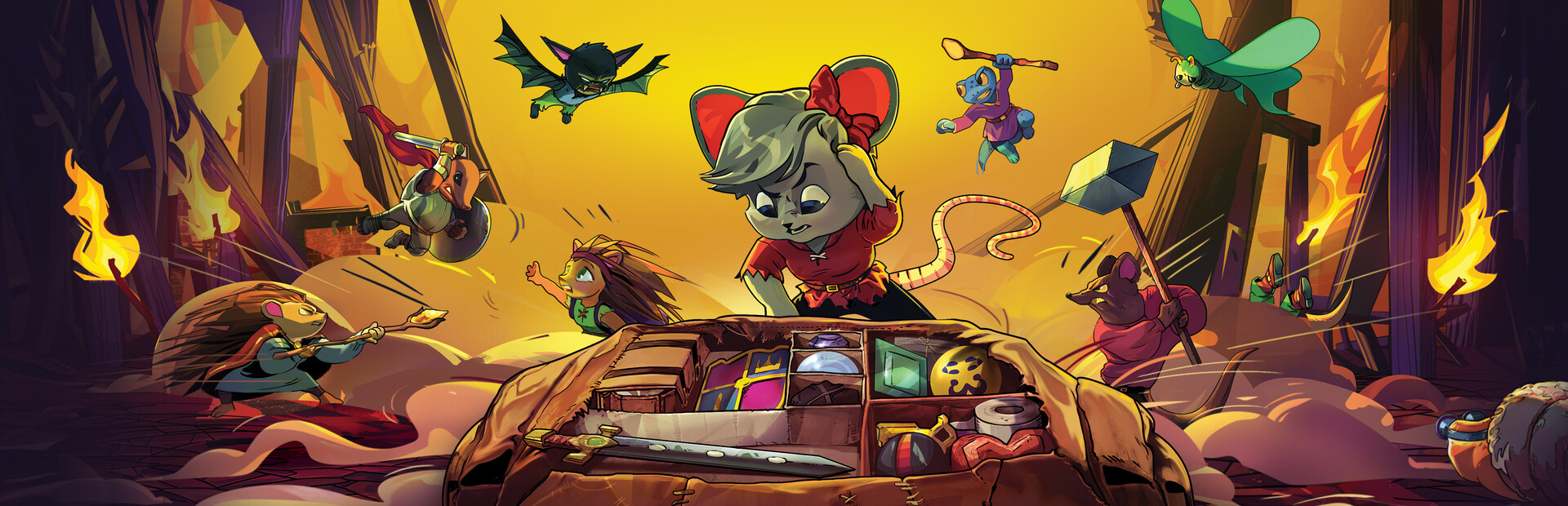
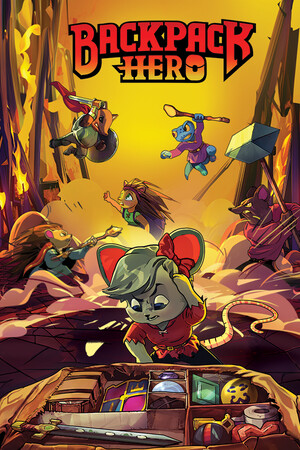
I went in expecting a cute distraction and came out with a spreadsheet mapping adjacency bonuses across five different character kits. Backpack Hero is a turn-based roguelite where the central puzzle is not which items you collect but precisely how you arrange them inside a grid-based pack that grows one block at a time as you level up. A helmet only generates block value when it sits in the topmost row; boots need to anchor the bottom; gems radiate attack bonuses diagonally to adjacent weapons. Every loot drop is less a reward and more a spatial negotiation with your existing layout, which is exactly the kind of decision-making I want more of in this genre. The roster of playable characters gives the game real build variety. You start as Purse, a mouse whose expanding backpack is the most straightforward expression of the core idea. Unlock Tote and the magic-based Carvings system reframes the whole spatial logic. CR-8 runs an electrical current through toggles and switches that turns the inventory into something closer to an engineering puzzle. Satchel charms enemies with a flute. There is even a summoner, Pochette, who fields helper animals with their own miniature packs boosted by treats. Each character is not a reskin with different stats; the backpack architecture itself changes, which means five genuinely distinct strategies to learn rather than one template with colour swaps. Combat is turn-based, enemies telegraph their intentions each round, and you get three energy points by default to spend on activating items. Zero-cost consumables add another layer of economy to manage. The dungeon floors are procedurally generated, the item pool runs to over 800 distinct pieces, and encounters include forge visits, merchant stops, gambling events, and healing shrines between the fights. Early runs clock in around twenty minutes, which is a comfortable entry point. The difficulty curve is where some players will hit a wall: the third floor ramps hard, late bosses carry health pools that dwarf anything seen on floor one, and Curse items start hogging precious inventory space as a deliberate counter-strategy from the enemy side. Builds that try to straddle multiple damage types get punished by the resource economy. The game rewards commitment to a single line - melee Cleavers stacked for rage scaling, or a full leather armour shell with a reflect helmet, or explosive arrow bows backed by adjacency gems. The Story Mode layers in a town-builder called Haversack Hill, where resources hauled out of dungeons fund new buildings, attract residents, and unlock characters and item sets. The catch is that carrying building materials like bricks and wood beams costs backpack slots, so every town-improvement run is an active trade-off against combat efficiency. That tension is genuinely clever. The town management layer itself, however, drew consistent criticism from reviewers for feeling slow and resembling mobile city-builder busywork rather than meaningful strategy. Quick Game mode sidesteps the town entirely, and for players who just want the dungeon loop, that option is worth knowing about up front. The story attached to Story Mode is similarly thin, added post-early-access and feeling slightly disconnected from the dungeons it frames. Steam user sentiment sits at 87 percent positive across thousands of reviews, and the Workshop support means the mod ecosystem is already active, which matters for long-term replay. The interface has drawn some criticism for rough edges, and the tutorial does enough to explain Purse without fully preparing you for the mechanical shifts introduced by later characters - new players should plan to lose a handful of runs before the synergy logic clicks. Once it does click, though, the loop is difficult to put down. If you have a tolerance for spatial puzzles, a taste for build experimentation, and at least passing familiarity with deckbuilder roguelites, Backpack Hero is a lean, focused, and inventive entry in the genre that respects your time without holding your hand past the basics.

Strategy & simulation
Tags
System Requirements
Minimum
- OS
- Windows 7 (SP1+), Windows 10 and Windows 11
- Memory
- 1 GB RAM
- DirectX
- Version 10
- Storage
- 250 MB available space
- Graphics
- DX10, DX11, DX12 capable.
- Processor
- 1.1 GHz Processor
Keep exploring
Community Discussion
Be the first to comment on Backpack Hero.
Reviews & Ratings
Game Info
- Developer
- Jaspel
- Publisher
- Pretty Soon
- Release Date
- Nov 14, 2023