1976 - Back to Midway [VR]
A VR arcade dogfighter set in the Pacific Theater that trades simulation depth for pure, old-school air-combat spectacle. Short but surprisingly immersive.
GamerScout Verdict
A solid VR arcade showpiece for short sessions, but sim pilots and content-hungry players will hit the ceiling fast.
Compare Prices(3 stores)
Every store in this table quotes us in euros, so the EUR figure is the price the seller actually set, not our arithmetic — which is why EUR is also the currency we rank in. We only list an offer here when the store gives us its price in euros, so nothing in this table is a number we invented.
Pick USD, PLN, GBP, CAD or AUD in the header and we convert from EUR at the European Central Bank reference rate — converted amounts are prefixed with ~. Your bank or the store may apply a different rate at checkout. We never hide offers based on where you are: everyone sees this whole table.
We may earn a commission when you buy games through links on this page — at no extra cost to you. It never affects our rankings or verdicts.
Price History
Screenshots & Media
About 1976 - Back to Midway [VR]
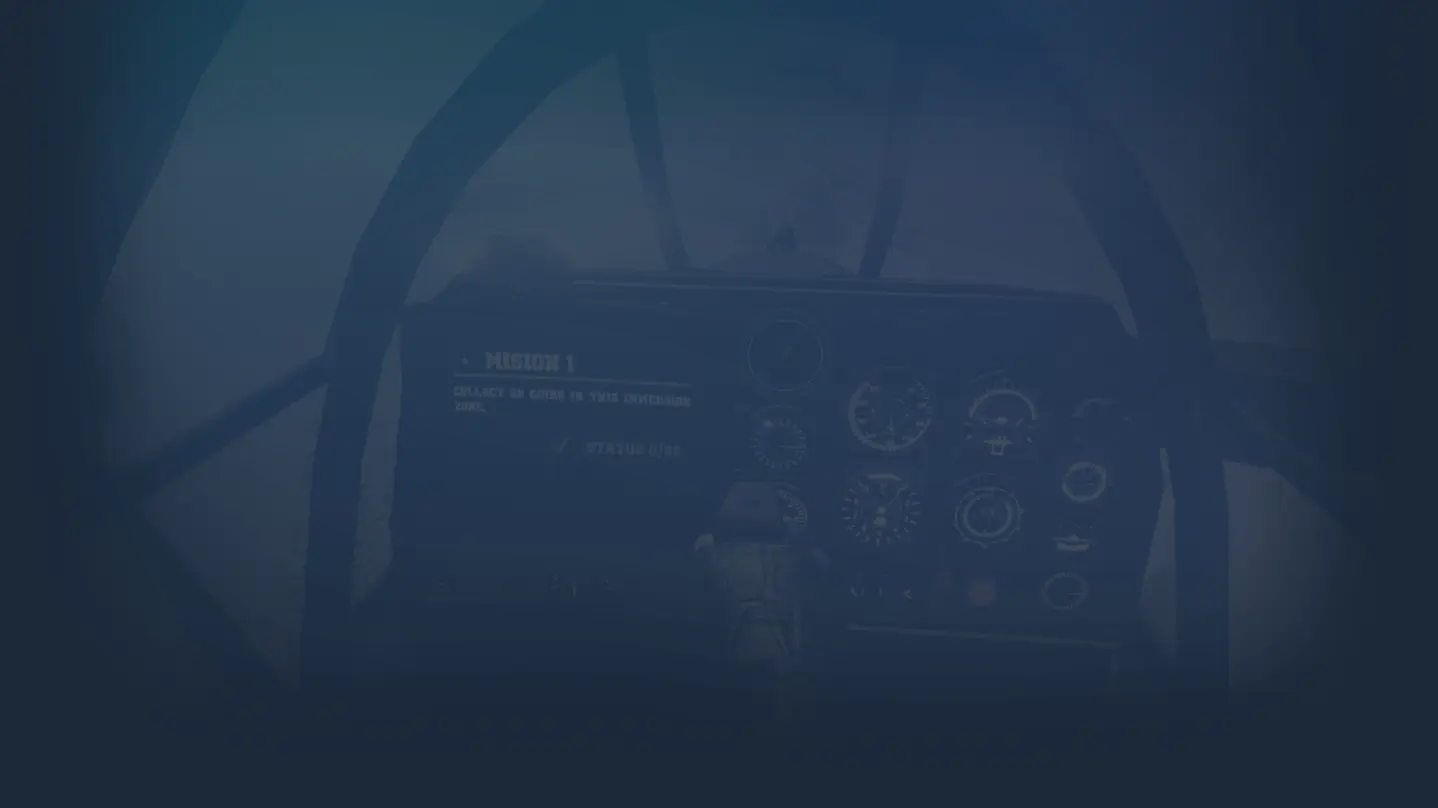
Let me be upfront: 1976 - Back to Midway is not a flight simulator, and it does not want to be. What Ivanovich Games built here is essentially an arcade rail-shooter wrapped in a VR cockpit, pulling its aesthetic and pacing directly from classic 80s and 90s cabinet games. You sit in a World War II fighter, enemies swarm from the horizon, and you shoot them down. The feedback loop is tight, the visuals are punchy, and the VR presence is the whole point. From a mechanics standpoint, the control scheme is deliberately accessible. You are not managing fuel mixtures, trimming flaps, or reading a kneeboard. Targeting is arcade-style, waves of Japanese and American aircraft come at predictable intervals, and the scoring system rewards aggressive play over cautious positioning. That simplicity is a deliberate design choice, not a flaw. If you came expecting DCS Pacific, turn around now. If you came because you want to physically lean into a turn and feel the Pacific sky open up around you, this delivers that specific thrill in a way a flat screen simply cannot replicate. The VR implementation is where the game earns its 88% positive rating. The sense of scale when a formation of torpedo bombers crosses below your canopy is genuinely effective, and the cockpit framing gives your brain enough visual anchoring to stay comfortable for most players. Motion sickness risk exists, as it does in any six-degrees-of-freedom VR flight experience, but the relatively linear movement patterns keep it manageable compared to free-roam simulators. The audio design supports the immersion well, with engine sounds and gun reports that feel period-appropriate without being over-produced. Where the game shows its budget and scope: content is thin. The number of distinct missions and aircraft types is limited, and once you have cleared the available stages you are essentially chasing leaderboard scores rather than unlocking meaningful new content. There is no mod ecosystem to speak of, no campaign with strategic layers, and no co-op mode to extend the social life of the experience. For a strategy-minded player like me, the absence of any decision-making layer between waves is noticeable. You adapt your aim, not your approach. Replayability lives entirely in score-chasing and the novelty of showing the game to friends who own a headset. As a value proposition, this sits comfortably in the "VR showcase piece" category. It is something you boot up when someone tries your headset for the first time, or when you want fifteen minutes of uncomplicated aerial action without a three-hour campaign commitment. Newcomers to VR gaming will find nothing intimidating here, and the short session length actually works in its favor for that audience. Dedicated sim pilots will exhaust it quickly, but they probably already knew that going in.

Strategy & simulation
Tags
System Requirements
Minimum
- Processor
- Intel Core i5 4590 or AMD FX 8350 or greater
- Graphics
- Nvidia GeForce GTX 970/AMD Radeon R9 290 equivalent or greater…
Recommended
- OS
- Windows 10
- Processor
- Intel Core i5 4590 or AMD FX 8350 or greater
- Graphics
- Nvidia GeForce GTX 970/AMD Radeon R9 290 equivalent or greater Storage…
Keep exploring
Community Discussion
Be the first to comment on 1976 - Back to Midway [VR].
Reviews & Ratings
Game Info
- Developer
- Ivanovich Games
- Publisher
- Ivanovich Games
- Release Date
- Dec 10, 2020