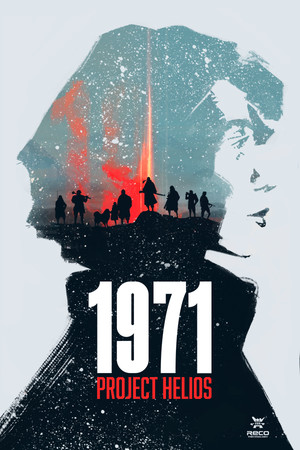
1971 PROJEKT HELIOS Steam key
A post-apocalyptic frozen-world tactics game with eight distinct characters, AP-based grid combat, and a frostbite mechanic that punishes turtling. Lighter than XCOM, shorter than most genre rivals, rougher around the edges than both.
GamerScout Verdict
Worth a session for tactics newcomers and frozen-world lore fans, but genre veterans will outgrow it before the credits roll.
Compare Prices(1 stores)
Every store in this table quotes us in euros, so the EUR figure is the price the seller actually set, not our arithmetic — which is why EUR is also the currency we rank in. We only list an offer here when the store gives us its price in euros, so nothing in this table is a number we invented.
Pick USD, PLN, GBP, CAD or AUD in the header and we convert from EUR at the European Central Bank reference rate — converted amounts are prefixed with ~. Your bank or the store may apply a different rate at checkout. We never hide offers based on where you are: everyone sees this whole table.
We may earn a commission when you buy games through links on this page — at no extra cost to you. It never affects our rankings or verdicts.
Price History
Screenshots & Media
About 1971 PROJEKT HELIOS Steam key
1971 Project Helios is a grid-based, turn-based tactics game developed by Spanish studio Recotechnology, set in an alternate 1971 where a permanent winter has collapsed civilization and left survivors dependent on Fulgor, a sky-sourced resource that powers special abilities and can be spent mid-combat to heal, grant extra moves, or resurrect a downed unit. Eight reluctant characters from two opposing factions form a temporary alliance to locate Dr. Margaret Blythe, a scientist whose research represents the world's only shot at recovery. The campaign splits cleanly into exploration phases, where you comb semi-linear maps for collectibles and ability upgrades, and tactical combat encounters on AP-based grids with half-cover and full-cover geometry. Each character belongs to a recognizable archetype: melee bruisers Wilhelm and Renzo soak damage and push up close, shotgunners Emile and Alina work short-to-mid range with offensive specials, snipers Hanna and Alexei hit hard from safety but are fragile, and grenadier Domi trades their entire action economy for area-burst damage. A skill tree for each character unlocks after mission five, letting you shape their command set with items found during exploration. Three endings branch from story choices, and a full run lands somewhere around eight hours. The defining mechanical wrinkle is frostbite. In outdoor encounters, cold chips HP from every unit, yours and the enemy's, at the end of each full round. That constant attrition pressure flips the usual tactical calculus: turtling behind cover and waiting for the perfect shot will get your squad killed. You have to push, which gives combat a forward momentum that feels distinct from the XCOM template even when the underlying action economy is familiar. The Fulgor resource ties neatly into this, because burning it on a resurrection means you have less to spend on extra actions when the cold is crushing your squad's health bars. It is a small system, but it generates real decisions under pressure. Where the game stumbles is consistency of execution. The camera locks to four fixed viewpoints with no free rotation, which means enemies hiding in corners or behind environmental geometry can be genuinely invisible until you cycle through every angle. There is no map, which makes backtracking for missed collectibles frustrating. Cutscenes before combat encounters cannot be skipped on retry, so a difficult fight that kills a character will replay the same dialogue from the top, every single time. The enemy visual design blurs together under the snow-heavy palette, making it harder than it should be to read the board at a glance. The Steam community verdict sits at roughly 50-50 split, which maps honestly to the experience: players who click with the frostbite aggression loop and the world-building tend to stick around; players who hit a camera-angle wall or a repetitive encounter sequence bail early. From a pure tactics-depth standpoint, 1971 Project Helios is not going to satisfy someone who wants the permadeath weight of XCOM or the build-order complexity of a Gears Tactics campaign. The class synergies are real but shallow, the AI is serviceable rather than clever, and there is no mod ecosystem or post-launch content to extend the runtime. What it does offer is a self-contained, atmospheric tactics story that you can finish across a couple of evenings, with a genuinely interesting environmental mechanic baked into every outdoor fight. Approachability is actually a quiet strength here: the AP system, cover types, and Fulgor economy are simple enough that a newcomer to the genre can understand what every button does within the first mission. If you have never touched a tactical RPG and want something that teaches the fundamentals without a 60-hour commitment, this is a reasonable starting point, provided the camera jank does not send you looking elsewhere first.

Strategy & simulation
Tags
System Requirements
Keep exploring
Community Discussion
Be the first to comment on 1971 PROJEKT HELIOS Steam key.
Reviews & Ratings
No ratings available
Game Info
- Developer
- Recotechnology S.L.
- Publisher
- Recotechnology S.L.
- Release Date
- Jun 9, 2020