
Tulpa
Gorgeous nightmare logic with a co-dependent twist: Ophelia shatters if Oliver wanders too far, and that one mechanic makes every puzzle feel like holding your breath.
Veredicto de GamerScout
Worth it for players who like their puzzle games wordless, weird, and short enough to finish in a single sitting.
Comparar precios(4 tiendas)
Todas las tiendas de esta tabla nos dan el precio en euros, así que la cifra en EUR es el precio que fijó el vendedor, no un cálculo nuestro, y por eso EUR es también la moneda en la que calculamos el ranking. Solo incluimos aquí una oferta cuando la tienda nos da su precio en euros, de modo que ninguna cifra de esta tabla es inventada por nosotros.
Elige USD, PLN, GBP, CAD o AUD en la cabecera y convertimos desde EUR con el tipo de cambio de referencia del Banco Central Europeo — los importes convertidos llevan el prefijo ~. Tu banco o la tienda pueden aplicar un tipo distinto al pagar. Nunca ocultamos ofertas según dónde estés: todo el mundo ve esta tabla completa.
We may earn a commission when you buy games through links on this page — at no extra cost to you. It never affects our rankings or verdicts.
Historial de precios
Capturas y multimedia
Acerca de Tulpa
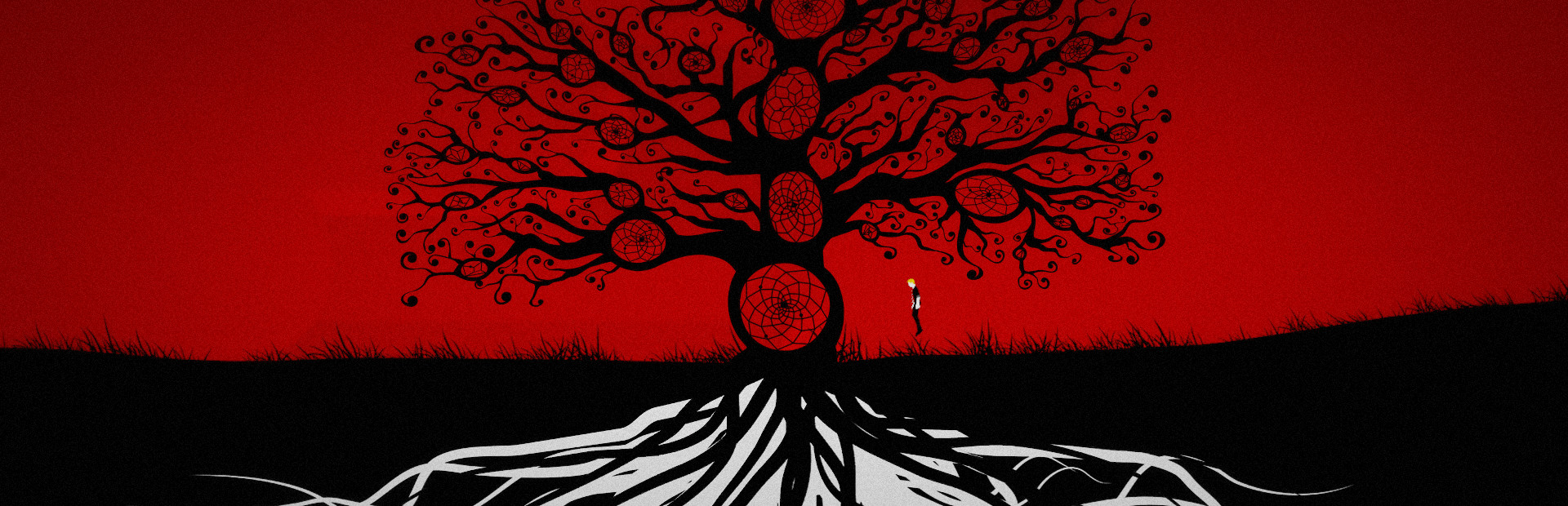
I have a soft spot for games that lean hard on a single, strange idea and build an entire world around it, and Tulpa is exactly that kind of game. You guide two characters through a wordless surreal landscape: Ophelia, a young woman who will literally shatter like glass if she grows too distressed, and Oliver, her phantom companion who can fly, pull levers, and move objects she cannot physically reach. The core tension comes from keeping them close. Stray too far apart and both characters start to fracture, pushing you to think about proximity and sequencing at the same time you are solving whatever spatial puzzle sits in front of you. It is a quietly clever design hook, and the few hours it runs feel shaped around it with care. The world itself shifts through distinct color chapters, cycling from cold blue-black silhouettes into jarring reds and lurid greens, each zone carrying its own mythological or horror-inflected imagery. Hanging figures, spiked pits, enormous monstrous beings that function less as enemies and more as environmental punctuation. The visual language borrows Limbo's minimalist silhouette grammar but adds color washes that give Tulpa its own identity. The soundtrack starts in near-silence and builds incrementally as things grow stranger, which is exactly the kind of intentional audio design I want more developers to try. When Ophelia's heartbeat quickens because Oliver has drifted a step too far, the sound design is doing real emotional work. The puzzle design, though, is where things get uneven. Some of the challenges are elegantly logical, classic adventure-game puzzles reframed in surreal clothing: Tower of Hanoi variants, music-mimicry sequences, lever-and-block arrangements. Others communicate their solutions poorly, leaving you clicking at objects in the dark until something responds. There is no hint system, no in-game text beyond the opening control tutorial, and no second solution to any given puzzle. When you are stuck, you are genuinely stuck. The platforming side has its own friction: Ophelia handles slowly, jump inputs occasionally misfire, and some ledge grabs require precision the controls do not quite reward. None of it is a dealbreaker, but it is worth knowing before you sit down. At roughly three hours for a full run, Tulpa knows its length and does not overstay. That is a quality I respect in small games. It tells a story entirely through imagery and movement, never spelling out what Ophelia and Oliver mean to each other or what this world represents, and that restraint is either the thing that hooks you or the thing that loses you within the first fifteen minutes. If you are the kind of player who finds meaning in silence and trusts the images to carry weight, the ambiguity reads as poetry. If you need narrative anchors, the blankness will frustrate. Steam's "Mostly Positive" rating across a small sample of reviews reflects that honest split in the audience.

Indie & narrative
Etiquetas
Requisitos del sistema
Mínimos
- OS
- WindowsXP SP3, Windows Vista SP2, Windows 7 SP1, Windows 8
- Memory
- 2 GB RAM
- DirectX
- Version 9.0c
- Storage
- 600 MB available space
- Graphics
- Intel HD 4000, nVidia GeForce GT420 or AMD Radeon HD4650 with 512MB VRAM
- Processor
- Intel Core2Duo at 2.0Ghz or AMD Athlon64 X2 at 2.3Ghz
- Sound Card
- Any compatible soundcard
Recomendados
- OS
- WindowsXP SP3, Windows Vista SP2, Windows 7 SP1, Windows 8
- Memory
- 2 GB RAM
- DirectX
- Version 9.0c
- Storage
- 600 MB available space
- Graphics
- nVidia GeForce GTS 450 or AMD Radeon HD5750
- Processor
- Intel Core2Duo at 2.5Ghz or AMD Athlon64 X2 at 2.6Ghz
- Sound Card
- Any compatible soundcard
Sigue explorando
Community Discussion
Be the first to comment on Tulpa.
Reseñas y valoraciones
No hay valoraciones disponibles
Información del juego
- Desarrolladora
- Encryptique
- Distribuidora
- Encryptique
- Fecha de lanzamiento
- 29 ene 2015