Trulon: The Shadow Engine
A short card-RPG with a genuinely clever combat hook buried under rough edges, RNG frustration, and a launch history that scared off more players than it kept.
Veredicto de GamerScout
Worth a look for JRPG fans wanting a short weekend RPG with light deck-building, but strategy players expecting meaningful build depth will hit a ceiling fast.
Comparar precios(6 tiendas)
Todas las tiendas de esta tabla nos dan el precio en euros, así que la cifra en EUR es el precio que fijó el vendedor, no un cálculo nuestro, y por eso EUR es también la moneda en la que calculamos el ranking. Solo incluimos aquí una oferta cuando la tienda nos da su precio en euros, de modo que ninguna cifra de esta tabla es inventada por nosotros.
Elige USD, PLN, GBP, CAD o AUD en la cabecera y convertimos desde EUR con el tipo de cambio de referencia del Banco Central Europeo — los importes convertidos llevan el prefijo ~. Tu banco o la tienda pueden aplicar un tipo distinto al pagar. Nunca ocultamos ofertas según dónde estés: todo el mundo ve esta tabla completa.
We may earn a commission when you buy games through links on this page — at no extra cost to you. It never affects our rankings or verdicts.
Historial de precios
Capturas y multimedia
Acerca de Trulon: The Shadow Engine
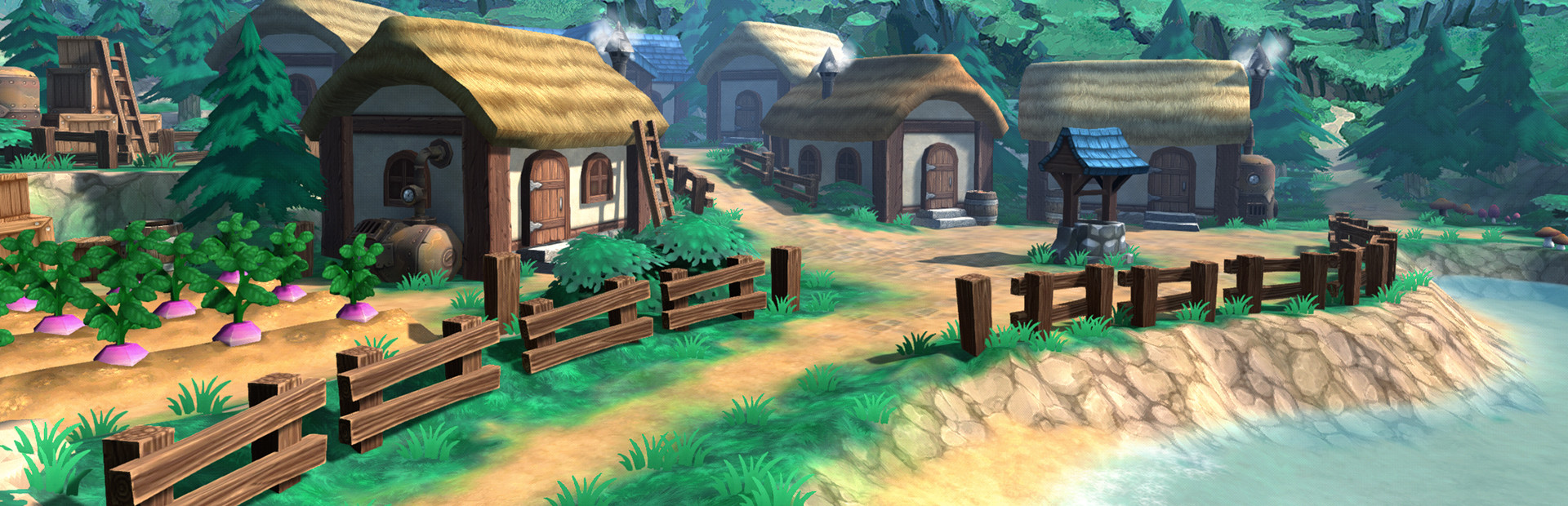
I have a soft spot for systems that try to replace the standard RPG action menu with something smarter, which is exactly why Trulon: The Shadow Engine caught my attention and then repeatedly disappointed me. The core idea is sound: instead of selecting Attack or Magic from a list, you build per-character card decks and then draw a randomised hand at the start of each turn-based fight. Gladia runs an archer-style crossbow loadout, Roth is a heavy tank swinging what reviewers generously called a flaming techno-blade, and the supporting roster fills the standard mage and status-effect slots. Each character gets three "mechanism" slots for passive equipment cards that alter stat lines, and then an open-ended "tactics" deck for the active combat cards. On paper, and sometimes in practice, the synergy layer is genuinely interesting: stun an enemy group with Roth, then trigger Gladia's Below the Belt card for double damage on stunned targets, or chain a Haste into Furious Missile for burst turns that feel earned rather than lucky. There are over 50 cards to collect from enemy drops and world chests, and the deck-building interface is clear enough that you always know what a card does before you slot it. The strategy foundation, however, gets undercut by the draw system in a way that should concern anyone who values decision-making over variance. Each character starts a fight with up to five randomly drawn cards from their deck, plus a couple of wildcards. When the draw cooperates, fights flow well. When it does not, you can lose a standard encounter through no fault of your own build choices. The auto-save before every fight softens the blow, but it does not fix the underlying feel that your preparation matters less than your luck. Difficulty spikes compound this: enemy groups that were manageable early can become near-one-shot threats surprisingly fast as the party expands to four characters, and boss encounters offer little room for tactical recovery when the hand you draw is weak. The presentation gives the game some real charm. The world uses 3D environments with 2D sprite characters, and the hand-drawn art style holds up well in towns and dungeons alike. The steampunk-meets-magic setting splits the world into two distinct kingdoms, Tripudia and the industrialised Maelon, and the environmental variety is better than the writing deserves credit for. Combat animations use a comic-book panel style when cards are played, which keeps fights visually lively even when the pacing drags. The music leans into classic JRPG territory and works. What does not work is the overworld movement, which reviewers consistently flagged as painfully slow, and the UI elements that betray the game's mobile origins, particularly in menus that feel designed for touch input rather than a keyboard or controller. For strategy-minded players specifically, I want to be direct: the deck-building depth here is shallow compared to what the genre can offer. There is no meta-game crafting, no mod ecosystem, and no post-launch content to speak of. The run time sits around six to ten hours depending on how much grinding you do on the world map's random encounter nodes. Bug fixes arrived post-launch, so the game-breaking progression stoppers that dominated early console reviews are largely addressed on PC now, but the Steam review score sits at a mixed 57 percent across a small sample, which tracks with a game that works better than its reputation but never rises above competent. If you are looking for a weekend-length JRPG with light deck-building and low friction, it fills that slot. If you want meaningful build depth or a story that justifies its novel source material, look elsewhere.

Strategy & simulation
Etiquetas
Requisitos del sistema
Mínimos
- OS
- Windows XP, Vista, 7, 8, 10
- Memory
- 1 GB RAM
- DirectX
- Version 9.0c
- Storage
- 800 MB available space
- Graphics
- DirectX9 compatible with Shader Model 2.0
- Processor
- 1,8 GHz
Sigue explorando
Community Discussion
Be the first to comment on Trulon: The Shadow Engine.
Reseñas y valoraciones
No hay valoraciones disponibles
Información del juego
- Desarrolladora
- Kyy Games
- Distribuidora
- Kyy Games
- Fecha de lanzamiento
- 1 mar 2016

