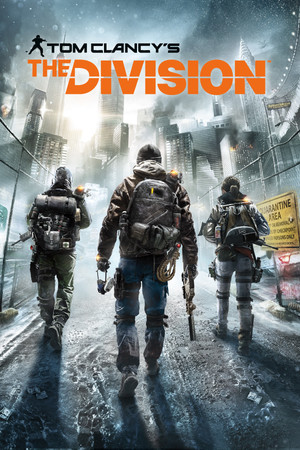
Tom Clancy’s The Division™
Looter-shooter adrenaline set in a quarantined Manhattan, built for squads but survivable solo -- if you can stomach the bullet-sponge grind.
Veredicto de GamerScout
7/10Best for squad players who want a loot grind with genuine tension; solo PvE players get a strong campaign but a hollow endgame.
Comparar precios(4 tiendas)
Todas las tiendas de esta tabla nos dan el precio en euros, así que la cifra en EUR es el precio que fijó el vendedor, no un cálculo nuestro, y por eso EUR es también la moneda en la que calculamos el ranking. Solo incluimos aquí una oferta cuando la tienda nos da su precio en euros, de modo que ninguna cifra de esta tabla es inventada por nosotros.
Elige USD, PLN, GBP, CAD o AUD en la cabecera y convertimos desde EUR con el tipo de cambio de referencia del Banco Central Europeo — los importes convertidos llevan el prefijo ~. Tu banco o la tienda pueden aplicar un tipo distinto al pagar. Nunca ocultamos ofertas según dónde estés: todo el mundo ve esta tabla completa.
We may earn a commission when you buy games through links on this page — at no extra cost to you. It never affects our rankings or verdicts.
Historial de precios
Capturas y multimedia
Acerca de Tom Clancy’s The Division™
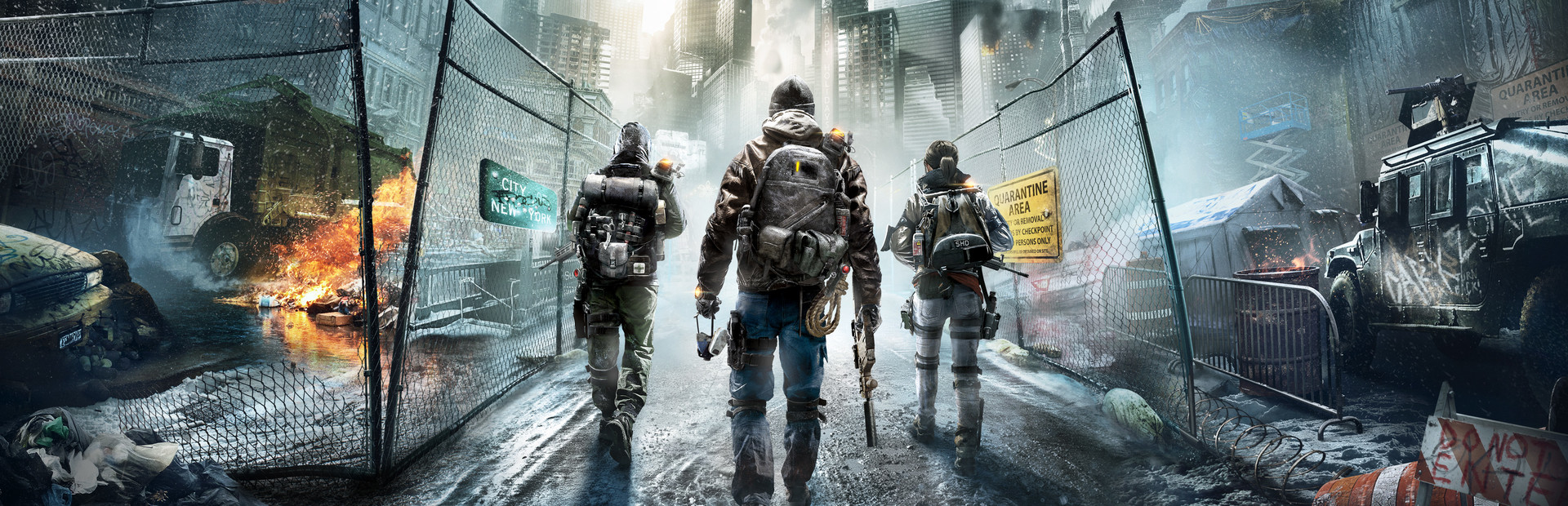
I went into The Division expecting a serviceable Ubisoft open-worlder and came out genuinely surprised by how much the core loop had grabbed me -- then mildly annoyed at how quickly it started showing its seams. Set in a post-outbreak midtown Manhattan where a weaponized smallpox variant spread via infected dollar bills on Black Friday, the premise is grounded enough to give the whole thing a quiet dread that most looter-shooters never bother with. Streets are cluttered with abandoned cars and triage tents, safe houses hum with desperate survivors, and the city itself is the closest thing the game has to a real character. As an RPG specialist, I wanted more from the writing, and the story mostly delivers Tom Clancy procedural competence rather than anything that rewards a second look -- but the atmosphere carries the early hours further than it should. Combat is the engine and it largely works. The Division is a third-person cover shooter built around angling for position: get the right sightline and you dismantle enemy formations fast; let them flank you and things spiral into a painful war of attrition. Active skills -- seeker mines, a portable health station, deployable cover -- give each player a recognizable tactical signature, and the respec system lets you swap loadouts freely, which keeps build experimentation alive without punishing curiosity. The four enemy factions (Cleaners, Rikers, Rioters, Last Man Battalion) all share the same unit archetypes, a runner, a sniper, a bomber, so firefights are readable, possibly too readable once you hit the midgame. Enemy AI leans predictable, and the infamous bullet-sponge problem is real: elite enemies absorb entire magazines in ways that feel less like tactical challenge and more like a number check, especially if your gear score has slipped behind the curve. Loot is everything here. Gear score governs whether fights feel tense or tedious, and the campaign path to level 30 is enjoyable even if side missions frequently shade into filler -- a pattern of three or four ambient objectives between each story mission that starts to feel like padding by hour fifteen. The story missions themselves are genuinely well-constructed, with varied locations across Grand Central, subway tunnels, rooftops, and embassy interiors keeping things from going stale. Hit the level cap and the game opens up world tiers, scaling enemy levels and unlocking better loot categories, which injects fresh tension into areas you thought you had cleared. The Dark Zone is the game's most interesting and most divisive idea. It is a separate contaminated district running PvPvE rules: you farm high-end loot from NPCs, then must call an extraction helicopter and survive a 90-second window while every other player on the server -- including ones who have gone Rogue and can attack freely -- knows exactly where you are. Going Rogue means attacking neutral players for their contaminated packs, gaining a skull marker above your head and a bounty on your back. The tension of that extraction timer, with strangers approaching and nobody knowing who will shoot first, is genuinely unlike anything else in the genre. For dedicated PvP squads it is endlessly replayable. For solo PvE players it can be a reliable source of frustration, since high-level Rogue crews with meta builds will strip your haul before the helicopter clears the rooftop. Pure PvE players can largely ignore the Dark Zone and still get solid mileage from the campaign and world-tier grind, but the endgame thins out noticeably without it. In 2026 the player population is leaner than launch, which matters most in the Dark Zone and for matchmaking on harder content. The Division 2 has largely inherited the active community, so this entry plays best if you have a group of friends ready to commit. Solo is viable for the campaign; the endgame loop without reliable co-op partners gets thin fast. If you are primarily here for narrative depth and choices that matter, look elsewhere -- the RPG layer is statistical rather than dramatic. But if the loop of cover-based shooting, incremental gear upgrades, and the paranoid thrill of a Dark Zone extraction sounds like your idea of a good Wednesday night, the bones here are very solid.

RPGs
Etiquetas
Requisitos del sistema
Mínimos
- Processor
- Intel Core i5-2400 | AMD FX-6100, or better
- Memory
- 6 GB RAM
- Graphics
- NVIDIA GeForce GTX 560 with 2…
Recomendados
- Processor
- Intel Core i7-3770 | AMD FX-8350, or better
- Memory
- 8 GB RAM
- Graphics
- NVIDIA GeForce GTX 970 |…
DLC y complementos de Tom Clancy’s The Division™6
Expansiones, packs de DLC y contenido adicional de este juego. Haz clic en cualquier elemento para ver las ofertas de las tiendas.
Sigue explorando
Community Discussion
Be the first to comment on Tom Clancy’s The Division™.
Reseñas y valoraciones
Información del juego
- Desarrolladora
- Massive Entertainment
- Distribuidora
- Ubisoft
- Fecha de lanzamiento
- 7 mar 2016