The Stone of Madness
A slow-burn monastic prison break where mismanaging one character's phobia cascades into a full team crisis - patience and planning rewarded, button-mashers need not apply.
Veredicto de GamerScout
Worth it for Desperados and Shadow Tactics fans who can stomach a punishing save system and genuinely fragile party mechanics.
Comparar precios(7 tiendas)
Todas las tiendas de esta tabla nos dan el precio en euros, así que la cifra en EUR es el precio que fijó el vendedor, no un cálculo nuestro, y por eso EUR es también la moneda en la que calculamos el ranking. Solo incluimos aquí una oferta cuando la tienda nos da su precio en euros, de modo que ninguna cifra de esta tabla es inventada por nosotros.
Elige USD, PLN, GBP, CAD o AUD en la cabecera y convertimos desde EUR con el tipo de cambio de referencia del Banco Central Europeo — los importes convertidos llevan el prefijo ~. Tu banco o la tienda pueden aplicar un tipo distinto al pagar. Nunca ocultamos ofertas según dónde estés: todo el mundo ve esta tabla completa.
We may earn a commission when you buy games through links on this page — at no extra cost to you. It never affects our rankings or verdicts.
Historial de precios
Capturas y multimedia
Acerca de The Stone of Madness
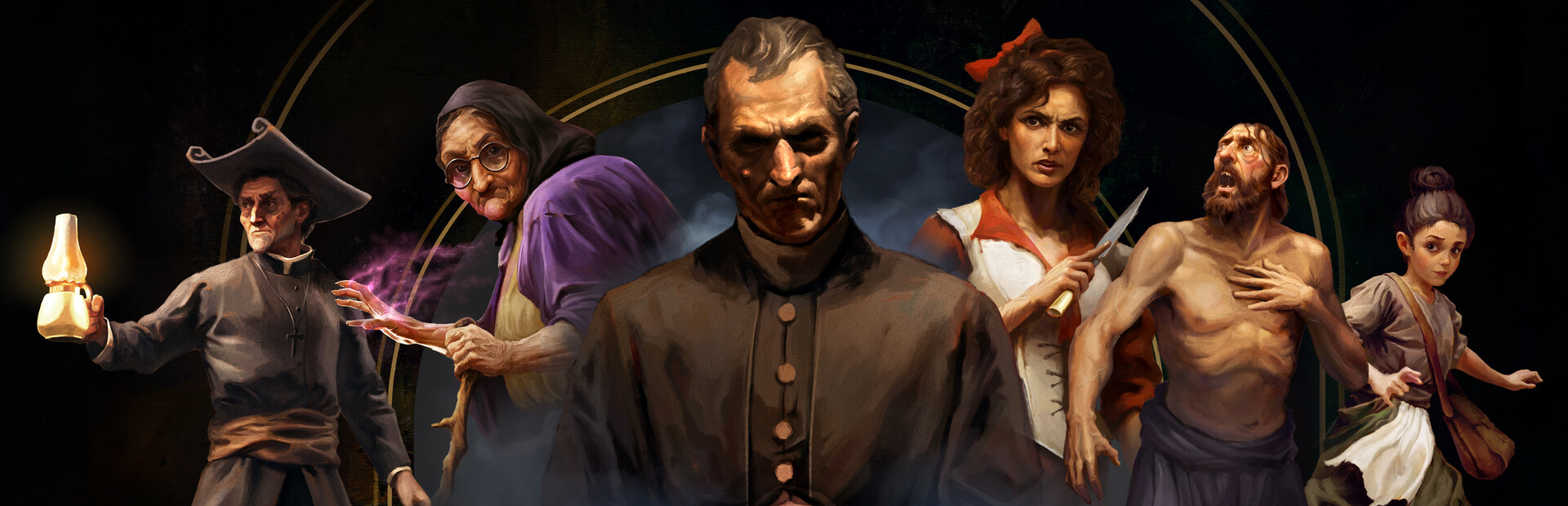
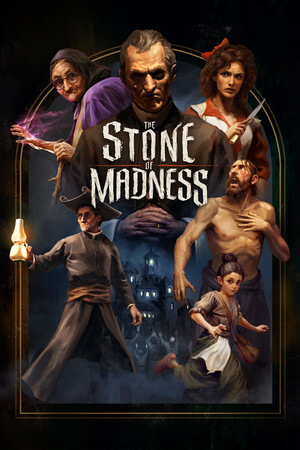
My spreadsheet instincts fired up the moment I understood what The Stone of Madness is actually asking of you. This is not a stealth-action game where reflexes save the run. It is a resource-management problem dressed in a monk's habit, set inside a Jesuit monastery in 1799 Spain, and every day cycle is a ticking ledger of sanity, action points, and finite tools. The inspirations the developers cited publicly - Commandos, Desperados III, Shadow Tactics - are accurate, but the game adds a layer those titles never bothered with: your roster of five prisoners is not just tactically specialized, it is psychologically fragile, and those two facts are inseparable. The five characters each bring a hard-coded trade-off to every operation. Leonora is your only direct-combat option, able to knock out guards or even unlock Gunshot to handle targets from range, but large flames are everywhere in a candlelit monastery and exposure drains her sanity fast. Eduardo can move heavy objects and break down walls to carve new routes, but Eduardo is scared of the dark, which in a pre-electricity setting is a constant threat. Amelia is tiny, tunnel-capable, and able to pickpocket, yet gargoyles send her into a panic - and the monastery is full of them. Agnes the witch can cast curses and craft remedies like Penaca to treat full-blown disorders, but each use of her Goetia ability costs her thirty sanity directly. Alfredo, the wrongfully imprisoned priest, is the team's social glue and knowledge engine, capable of sermons and blessings, but he cannot touch unconscious bodies, cannot help hide Leonora's work, and viewing any corpse chips away at him. You only bring three characters per outing, so every squad selection is already a minimax problem before you step outside the cell. That selection layer alone gives the game more pre-mission depth than most entries in the Desperados lineage. The day-night structure tightens the vice further. Daytime is for cautious exploration, looting, distraction chains, and incremental progress toward objectives while guard patrols are somewhat predictable. After dark, the Animas - ghostly presences invisible in the gloom - replace the human guards and target sanity instead of health, meaning a greedy nighttime run can return three characters to the cell with degraded mental states and compounding new disorders like paranoia or dementia stacked on top of existing phobias. The planning phase each night is where my strategy brain engaged hardest: spending action points across healing with Alfredo, disorder treatment with Agnes, item crafting with Eduardo, and knowledge-book study to unlock the next tier of skills. When that economy is running well, the whole system hums. When you have overextended across two or three days and resources are thin, the spiral toward an unwinnable state is real and the single autosave-per-day structure offers no escape hatch. The absence of a quicksave is the most legitimately punishing design choice here and a reasonable sticking point for players who came in expecting the manual-save flexibility of Shadow Tactics. On the presentation side, the game is exceptional and essentially unjudgeable at face value: hand-painted environments drawn heavily from Francisco de Goya's aesthetic, frame-by-frame character animation, and full Spanish voice dubbing that gives the setting a texture no English cast could replicate. The isometric perspective is well-used, keeping the multi-floor monastery readable while letting you admire the artistry. The honest criticisms land at the edges: controls are slightly imprecise when placing characters in tight spaces, the UI occasionally uses icon-only prompts where text would be clearer, and at launch the autosave timing had a bug that could invalidate hours of work. Some reviewers also encountered progress-blocking glitches. These are not cosmetic complaints. The core concept is strong enough that they genuinely hurt the experience rather than merely annoy at the margins. For who this is: if you have finished both Desperados III campaigns and wished those games weighted psychological failure alongside tactical failure, The Stone of Madness fills that gap with style. The two campaigns offer roughly eight to fifteen hours each, so a completionist run pushing toward thirty hours is realistic. Newcomers to the genre should set difficulty to Easy to soften the sanity drain and treat the first campaign as a structured tutorial for the second. The game does not explain its interlocking systems quickly, but unlike many intimidating tactics titles, patient reading of the mechanics reveals a system that is internally consistent and learnable - not arbitrary. The monastery routine, the finite tools, the cascading disorders: it all makes sense when you stop fighting it and start planning around it.

Strategy & simulation
Etiquetas
Requisitos del sistema
Mínimos
- OS
- Windows 10 64-bit or higher
- Memory
- 8 GB RAM
- DirectX
- Version 11
- Storage
- 14 GB available space
- Graphics
- Nvidia GTX 1650 / AMD Radeon RX 580
- Processor
- Intel Core i3-9100F / AMD Ryzen 3 2300X
- Sound Card
- DirectX Compatible
Recomendados
- OS
- Windows 10 64-bit or higher
- Memory
- 16 GB RAM
- DirectX
- Version 11
- Storage
- 14 GB available space
- Graphics
- Nvidia GTX 1650 Super / AMD Radeon RX 5500 XT
- Processor
- Intel Core i5-10400F / AMD Ryzen 5 3600
- Sound Card
- DirectX Compatible
Sigue explorando
Community Discussion
Be the first to comment on The Stone of Madness.
Reseñas y valoraciones
No hay valoraciones disponibles
Información del juego
- Desarrolladora
- The Game Kitchen
- Distribuidora
- Tripwire Presents
- Fecha de lanzamiento
- 28 ene 2025