The Spirit of the Samurai
Stop-motion feudal Japan with a look borrowed from Ray Harryhausen and gameplay that, frustratingly, never quite lives up to the spectacle. Worth knowing before you spend your evening here.
Veredicto de GamerScout
A visual triumph for stop-motion fans who can tolerate stiff combat and messy hitboxes - everyone else should wait for a deep discount.
Comparar precios(5 tiendas)
Todas las tiendas de esta tabla nos dan el precio en euros, así que la cifra en EUR es el precio que fijó el vendedor, no un cálculo nuestro, y por eso EUR es también la moneda en la que calculamos el ranking. Solo incluimos aquí una oferta cuando la tienda nos da su precio en euros, de modo que ninguna cifra de esta tabla es inventada por nosotros.
Elige USD, PLN, GBP, CAD o AUD en la cabecera y convertimos desde EUR con el tipo de cambio de referencia del Banco Central Europeo — los importes convertidos llevan el prefijo ~. Tu banco o la tienda pueden aplicar un tipo distinto al pagar. Nunca ocultamos ofertas según dónde estés: todo el mundo ve esta tabla completa.
We may earn a commission when you buy games through links on this page — at no extra cost to you. It never affects our rankings or verdicts.
Historial de precios
Capturas y multimedia
Acerca de The Spirit of the Samurai
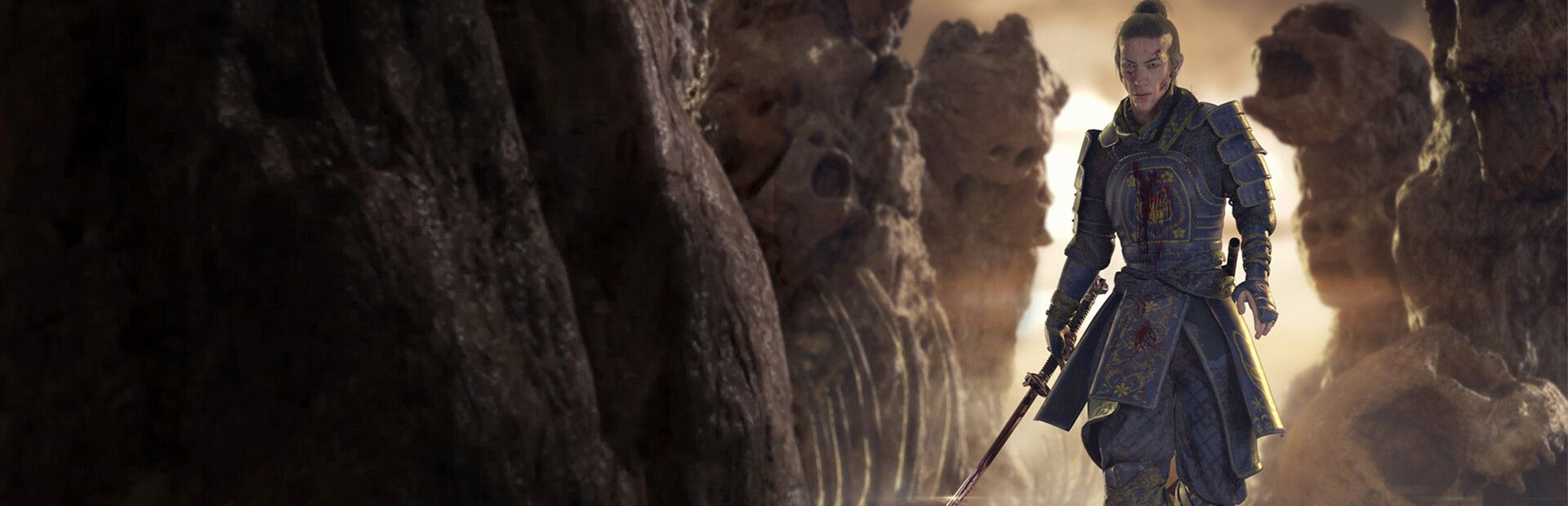
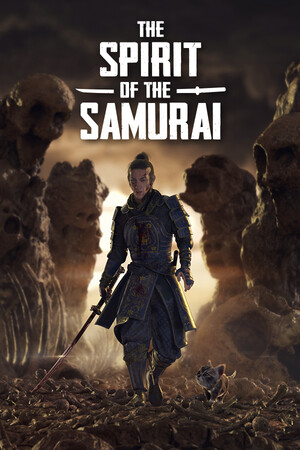
I went in already half-sold, because stop-motion animation in a video game is vanishingly rare and the screenshots alone looked like stills from a lost 1960s Kurosawa-Harryhausen collaboration. That first hour delivered on the promise visually: ruined villages rendered as meticulously constructed dioramas, fog rolling in to reveal silhouetted undead samurai, and a kitsune narrator framing the whole thing like a dark folk tale told around a fire. The atmosphere is genuinely one of the thickest I have encountered in any 2D action game, and the traditional Japanese soundtrack layers over it without ever feeling decorative. The structure underneath that gorgeous shell is a linear 2D action platformer with light Metroidvania bones. You cycle between three playable characters: Takeshi the samurai, who cuts through undead hordes with a katana, yari spear, and bow; Kodama, a tiny tree spirit who absorbs spirit energy to heal instead of using potions and fires spirit blasts at range; and Chisai, a warrior cat whose sections lean into stealth, infiltrating spaces the larger characters cannot reach. The character variety is a real idea, and on paper it works. In practice, switching from Takeshi to Kodama mostly means swapping one stiff sword swing for another only slightly different stiff sword swing, while Chisai brings genuine tonal contrast but also some harrowing death animations that the game insists on replaying if you fail. The combo customisation system, where you assign different directional attack strings using the right analogue stick, sounds promising but the attack silhouettes are so hard to read in the pause menu that most players will simply find a reliable dodge-roll-and-strike loop and stick with it for the whole game. The honest criticism runs deep. Hitboxes are messy: Takeshi frequently phases through close-range enemies mid-combo and swings at empty air. The 180-degree turn animation is slow enough that enemies approaching from behind are a consistent cheap-death source. Widely spaced checkpoints punish mistakes more than they encourage learning, and at least one reported glitch in the combo editor can brick your attack button entirely, which is a serious problem in a game built around sword combat. Platforming sections carry the same stiffness into jumping: the animation delay between input and response means precise leaps over insta-kill gaps often come down to hope rather than skill. These are not minor rough edges. They are the central experience for long stretches of the game, and they explain the mixed reception from both critics and Steam players. And yet. I keep coming back to that atmosphere. The backgrounds are visually dense in a way that rewards slow exploration. The enemy designs, tengu bird-warriors, the spider-deity Jorogumo, shambling undead samurai, are all rendered with a handmade quality that no procedural tool could replicate. The pre-rendered cutscenes, particularly the kitsune narration sequences, have a cinematic polish that feels genuinely surprising for a small studio debut. If you are the kind of player who can hold a janky action game at arm's length and treat it as a moving diorama with occasional sword swings, there is something here that no other 2D release in recent memory offers. If tight, responsive combat is the price of admission for you, this particular samurai is going to test your patience long before he reaches the Oni's castle.

Indie & narrative
Etiquetas
Requisitos del sistema
Mínimos
- OS
- Windows 10 64-bit
- Memory
- 4 GB RAM
- DirectX
- Version 11
- Storage
- 8 GB available space
- Graphics
- Nvidia GeForce GT 730 | AMD Radeon R7 240 | Intel HD Graphics 630
- Processor
- AMD FX-6300 | Intel i5 4440
Recomendados
- OS
- Windows 10 64-bit
- Memory
- 8 GB RAM
- DirectX
- Version 11
- Storage
- 8 GB available space
- Graphics
- Nvidia GeForce GTX 460 | AMD Radeon HD 7850
- Processor
- AMD Ryzen 3 1200 | Intel Core i5-7600
Sigue explorando
Community Discussion
Be the first to comment on The Spirit of the Samurai.
Reseñas y valoraciones
No hay valoraciones disponibles
Información del juego
- Desarrolladora
- Digital Mind Games
- Distribuidora
- Digital Mind Games
- Fecha de lanzamiento
- 12 dic 2024