Solitairica
Solitaire with a body count: stack cards to generate mana, spend that mana on spells, and survive 18 increasingly nasty enemies across a roguelite run that respects your time even when the RNG does not.
Veredicto de GamerScout
Best for roguelite fans who want a light build-crafting loop they can finish in a sitting, not a bottomless content well.
Comparar precios(4 tiendas)
Todas las tiendas de esta tabla nos dan el precio en euros, así que la cifra en EUR es el precio que fijó el vendedor, no un cálculo nuestro, y por eso EUR es también la moneda en la que calculamos el ranking. Solo incluimos aquí una oferta cuando la tienda nos da su precio en euros, de modo que ninguna cifra de esta tabla es inventada por nosotros.
Elige USD, PLN, GBP, CAD o AUD en la cabecera y convertimos desde EUR con el tipo de cambio de referencia del Banco Central Europeo — los importes convertidos llevan el prefijo ~. Tu banco o la tienda pueden aplicar un tipo distinto al pagar. Nunca ocultamos ofertas según dónde estés: todo el mundo ve esta tabla completa.
We may earn a commission when you buy games through links on this page — at no extra cost to you. It never affects our rankings or verdicts.
Historial de precios
Capturas y multimedia
Acerca de Solitairica
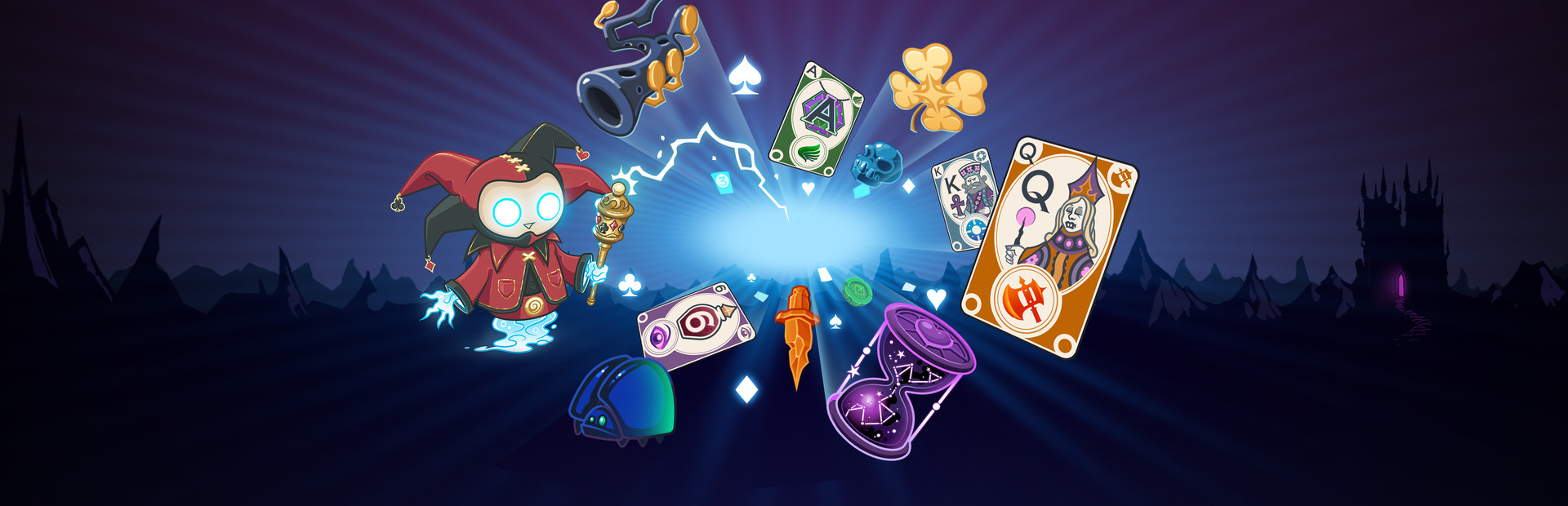
I went in skeptical that solitaire could carry a combat loop, and by the third failed run I had a notepad open tracking spell synergies. That is the hook Solitairica pulls off quietly and effectively. The core mechanic takes the +1/-1 card-matching rhythm of classic solitaire and wires it to a mana economy: every card you chain off an enemy stack generates one of four energy colors, attack (orange), defense (blue), agility (green), or willpower (violet), and that energy fuels up to six spells you bring into each fight. Clear the board before your health hits zero, or the run ends. Eighteen enemies stand between you and Emperor Stuck, each with procedurally rolled abilities that keep specific encounters from feeling scripted. An enemy might stack back-row cards to slow your chains, poison through armor, or stun you right when your spell rotation matters most. The variety is genuine enough that you cannot auto-pilot. The build layer is where Solitairica earns its strategy label. Between fights you spend coins on new spells and passive items, assembling a loadout on the fly. The starting Warrior deck leans on attack and defense mana, so your early spell picks naturally orbit Cleave, Overwhelm, and armor tools like Fortress. Unlock the Rogue and the game shifts toward agility-heavy deck manipulation, with spells like Sleight of Hand and Nimble Slash enabling a completely different rhythm. The Paladin's armor-heal-damage synergy makes it a forgiving pick for learning the late-game pacing; the Wizard, by contrast, demands you survive early fights on fumes until a healing spell appears in the shop, which community consensus correctly identifies as a balance rough edge rather than intentional friction. Stun builds centered on the Monk's Counter Punch line are so effective they trivialize Stuck himself if you let them snowball, to the point where some experienced players deliberately avoid that path because watching an enemy sit frozen for ten turns is its own kind of tedium. Progress is not purely run-based. Wildstones, earned in proportion to how far each run goes, unlock new classes and permanently upgrade decks with Ace, King, and Queen bonus cards that fire during battles. Losing a run still moves your long-term numbers forward, which keeps the roguelite loop from feeling punishing for newcomers. A continues system also lets you buy back-up checkpoints before particularly dangerous fights, at a coin cost that forces a real trade-off against spell purchases. That said, the class imbalance is real and documented: some classes clear Stuck consistently; others require lucky shop offerings just to survive the midgame. There is no mod support to speak of, and the base game offers no difficulty tuning beyond class selection, so once you have cleared the campaign with two or three favorites, the ceiling arrives faster than the run count would suggest. The honest ceiling concern aside, the game is accessible in a way that genre labels like "roguelite" sometimes obscure. The tutorial is brief and clear, the card-matching rule takes thirty seconds to learn, and the spell descriptions are precise enough that you are never guessing at interactions. Anyone comfortable with Slay the Spire's between-room shopping loop will feel at home immediately, though this sits at a considerably lighter cognitive weight. Steam sits at a Mostly Positive rating from over 400 reviews, which roughly maps to the experience: people who click with the loop tend to play it until the build space is exhausted, and people who bounce usually cite RNG frustration on specific class-enemy matchups rather than a structural problem. Both reactions are fair. If the idea of building an Expose Weakness plus Alchemy combo that melts a full enemy board in two turns sounds satisfying rather than abstract, this is worth your time.

Strategy & simulation
Etiquetas
Requisitos del sistema
Mínimos
- OS
- Windows 10
- Memory
- 2 GB RAM
- DirectX
- Version 9.0c
- Graphics
- Nvidia 8800, ATI 2900, or Intel HD4000
- Processor
- 1.8 GHz, Dual Core
Sigue explorando
Community Discussion
Be the first to comment on Solitairica.
Reseñas y valoraciones
No hay valoraciones disponibles
Información del juego
- Desarrolladora
- Righteous Hammer Games
- Distribuidora
- Righteous Hammer Games
- Fecha de lanzamiento
- 31 may 2016