Ruinarch
Playing villain in a colony sim is a fantasy Rimworld never lets you live out, Ruinarch hands you the chaos toolkit and steps back, though a mixed reception and community concerns about post-launch support mean you should know what you're buying first.
Veredicto de GamerScout
Worth a run for emergent-sim fans who self-impose goals, but check the update history before committing, post-launch support is a genuine concern.
Comparar precios(6 tiendas)
Todas las tiendas de esta tabla nos dan el precio en euros, así que la cifra en EUR es el precio que fijó el vendedor, no un cálculo nuestro, y por eso EUR es también la moneda en la que calculamos el ranking. Solo incluimos aquí una oferta cuando la tienda nos da su precio en euros, de modo que ninguna cifra de esta tabla es inventada por nosotros.
Elige USD, PLN, GBP, CAD o AUD en la cabecera y convertimos desde EUR con el tipo de cambio de referencia del Banco Central Europeo — los importes convertidos llevan el prefijo ~. Tu banco o la tienda pueden aplicar un tipo distinto al pagar. Nunca ocultamos ofertas según dónde estés: todo el mundo ve esta tabla completa.
We may earn a commission when you buy games through links on this page — at no extra cost to you. It never affects our rankings or verdicts.
Historial de precios
Capturas y multimedia
Acerca de Ruinarch
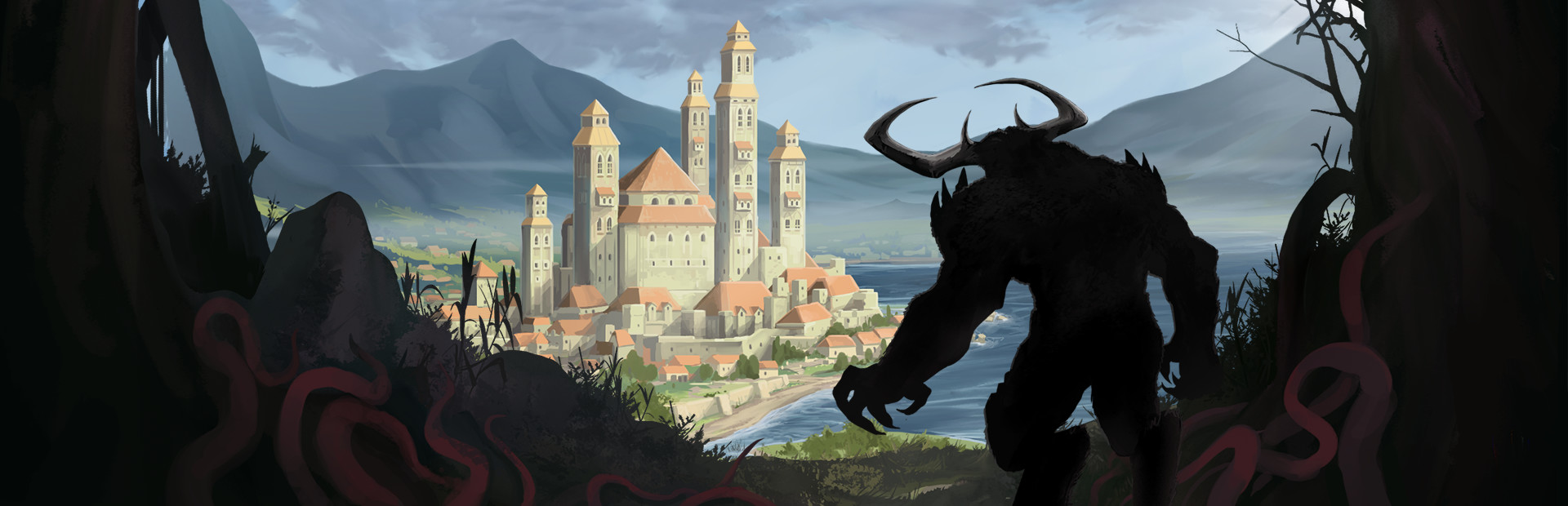
My spreadsheet instincts fired up the moment I realized Ruinarch isn't asking me to optimize a civilization, it's asking me to systematically dismantle one. That inversion of the colony-sim formula is genuinely clever, and for the first several sessions it produces the kind of emergent storytelling moments you'll screenshot and narrate to anyone who will listen. Turn a village farmer into a lycanthrope, watch the nightly wolf-out get witnessed by his own faction, see the crime system kick in, then share the intel with his rival across town. The chain of reactions that follows isn't scripted; it tumbles out of interlocking AI routines, and when it works, it's the best argument the game has for itself. The three overlord archetypes, Ravager, Puppetmaster, and Lich, give each run a meaningfully different flavor. Ravager leans into direct destruction: meteors, earthquakes, fireballs, and the satisfying chaos of hurling brimstone at a poisonous puddle to produce compound explosions. Puppetmaster is the strategist's pick, using corruption, abductions, spread rumors, and relationship manipulation to pit factions against each other before a single spell is cast. Lich sits between them, with undead summons and plague craft filling the mid-game. Each archetype has its own skill tree, unlocked by upgrading your central dungeon portal as you generate Chaotic Energy, so there is a genuine progression loop underneath the sandbox anarchy. Map size scales from small to extra-large, and a larger population means more interaction chains to exploit, which gives veteran runs noticeably more texture than beginner ones. Where Ruinarch struggles is depth versus breadth. The AI that drives villager behavior is robust enough to produce surprising moments, but community feedback has flagged that the systems can feel opaque, what's driving a particular NPC reaction isn't always legible from the UI, and the tutorial covers the basics without fully preparing you for the mid-game when your threat meter starts climbing. The game also carries a real concern from Steam reviewers: there are credible voices in the community treating it as functionally abandoned, with the post-launch update cadence disappointing players who expected the momentum of its long early access period to continue. That's not a small asterisk. A sandbox sim lives or dies by iteration, and mod support, which could offset developer inactivity, has not materialized in a meaningful way. For the right player, none of that kills the fun. If you approach Ruinarch the way you'd approach a short-form Rimworld scenario, set a personal objective, lean into one archetype's toolkit, and call the run done when the drama peaks, you will get genuine entertainment out of it. The pixel art holds up, the elemental interaction system rewards experimentation, and kennel-building to claim monster types as minions adds a light base-building layer that strategy players will find satisfying. It is more accessible than Dwarf Fortress and less punishing than a full grand-strategy title, which actually makes it a reasonable entry point for players curious about emergent simulation who aren't ready for a 200-hour commitment. The problem is that once you've run all three archetypes, the content ceiling arrives faster than the price tag implies.

Strategy & simulation
Etiquetas
Requisitos del sistema
Mínimos
- OS
- Windows 7 or later
- Memory
- 4 GB RAM
- DirectX
- Version 10
- Storage
- 2 GB available space
- Graphics
- 1280x768 minimum resolution, post-2012 integrated graphics
- Processor
- 2GHz or better
- Sound Card
- DirectX 10 compatible
Recomendados
8 GB RAM
Sigue explorando
Community Discussion
Be the first to comment on Ruinarch.
Reseñas y valoraciones
No hay valoraciones disponibles
Información del juego
- Desarrolladora
- Maccima Games LLC
- Distribuidora
- Squeaky Wheel Studio Inc
- Fecha de lanzamiento
- 24 abr 2023