Reflection of Mine
Built by a single developer in his spare hours, this top-down split-screen puzzler will either mesmerise you with its haunted soundscape or wall you with its brutality. Probably both.
Veredicto de GamerScout
Best for patient puzzle fans who can tune out clumsy writing and lean into the spatial challenge and unsettling atmosphere.
Comparar precios(2 tiendas)
Todas las tiendas de esta tabla nos dan el precio en euros, así que la cifra en EUR es el precio que fijó el vendedor, no un cálculo nuestro, y por eso EUR es también la moneda en la que calculamos el ranking. Solo incluimos aquí una oferta cuando la tienda nos da su precio en euros, de modo que ninguna cifra de esta tabla es inventada por nosotros.
Elige USD, PLN, GBP, CAD o AUD en la cabecera y convertimos desde EUR con el tipo de cambio de referencia del Banco Central Europeo — los importes convertidos llevan el prefijo ~. Tu banco o la tienda pueden aplicar un tipo distinto al pagar. Nunca ocultamos ofertas según dónde estés: todo el mundo ve esta tabla completa.
We may earn a commission when you buy games through links on this page — at no extra cost to you. It never affects our rankings or verdicts.
Historial de precios
Capturas y multimedia
Acerca de Reflection of Mine
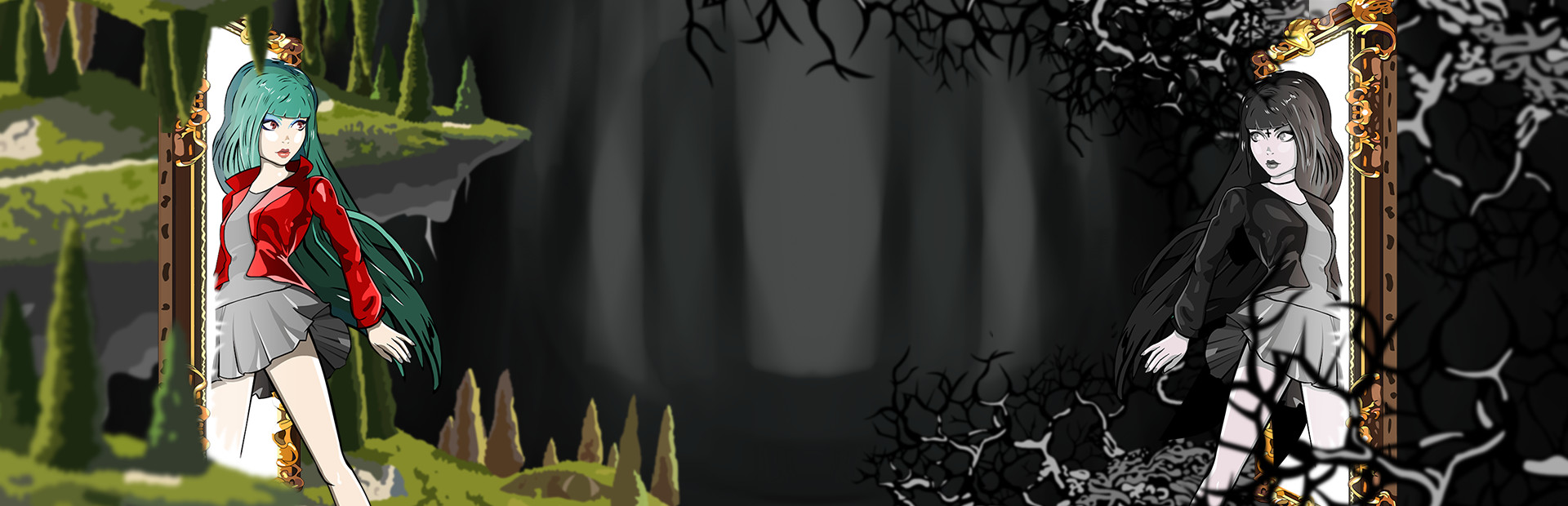
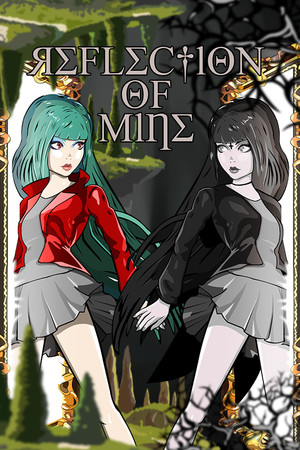
I have a soft spot for one-person labours of love, and Reflection of Mine is exactly that: a dark, grid-based puzzle game conceived, coded, and painted by a single developer named Slava Gris, with a commissioned soundtrack from composer Expecte Amour that reportedly inspired the whole project. That origin story matters, because the game's mood carries the imprint of a person who genuinely cared about the atmosphere he was building, even when the execution stumbles. The central mechanical idea is quietly brilliant. You control two personalities simultaneously on a split screen, and every directional input you make is mirrored across both sides. One character might see open ground ahead; the other might be stepping directly into spike traps or patrolling enemies. If either dies, both restart from the last checkpoint. The puzzle then becomes a slow, deliberate act of spatial reasoning: you are not navigating a maze so much as solving two interlocking mazes with a single set of moves. Each of the four chapters introduces its own mechanics. The first chapter teaches you a time-reversal ability to dodge the owls and two-headed dogs that begin patrolling from level nine onward. Chapter two adds keys that must be collected before the exit unlocks. Chapter three introduces cross-shaped objects you can create or destroy to reshape the path itself. The difficulty escalates without much hand-holding, and later levels can require upward of a hundred deliberate moves to clear. If you die enough times, a death-figure appears and offers a mask-collecting minigame whose rewards let a ghost walk you through the solution to the next checkpoint. The hint system exists, but relying on it feels like asking someone else to finish your crossword. Three difficulty levels named Phobia, Hysteria, and Neurosis shape how forgiving the experience is. Phobia lets you destroy obstacles that would otherwise block your path. Hysteria is the recommended middle ground and the only setting that tracks a full completion rating. Neurosis strips checkpoints entirely and is locked behind finishing the game once already. The runtime sits around ten hours for a careful playthrough, though players leaning on guides can push through in three to four. An arcade mode with ten separate stages is also here for anyone who wants a score-attack twist on the formula. Two things hold the game back in ways worth knowing before you spend money. The writing is rough. The story leans on dated tropes around mental illness, and several reviewers across outlets have noted that the portrayal of dissociative identity disorder feels sensationalised rather than considered, using shock imagery like straitjackets and overdose sequences that land poorly. This is not a game that treats its subject with the care of, say, a developer who consulted clinical experts. If sensitivity around those themes matters to you, go in with your eyes open. The second issue is pure difficulty curve: the jump from tutorial-gentle to genuinely punishing arrives faster than most puzzle games warn you, and new hazard types are sometimes introduced without clear explanatory context. Casual puzzle players may bounce off within the first chapter. But the soundscape. That part Slava got right. Every reviewer who criticised the writing still paused to mention the music, which sits somewhere between a haunted music box and a hypnotic drone that turns the grid-based levels into something that feels much stranger and more personal than the top-down view has any right to feel. The dark, anime-inflected pixel art complements it. As a thing to look at and listen to while thinking through spatial problems, the package holds together well. If you are a patient puzzle solver who can separate mechanical craft from narrative clunkiness, Reflection of Mine rewards the kind of slow, deliberate focus that most games actively discourage.

Indie & narrative
Etiquetas
Requisitos del sistema
Mínimos
- OS
- Windows 7
- Memory
- 2 GB RAM
- DirectX
- Version 10
- Storage
- 500 MB available space
- Graphics
- Hardware Accelerated Graphics with dedicated memory
- Processor
- Dual Core 2.4 Ghz
Sigue explorando
Community Discussion
Be the first to comment on Reflection of Mine.
Reseñas y valoraciones
No hay valoraciones disponibles
Información del juego
- Desarrolladora
- Redblack Spade
- Distribuidora
- Redblack Spade
- Fecha de lanzamiento
- 24 feb 2017