Pentiment
If reading a beautifully illustrated murder mystery set in a 16th-century Bavarian monastery sounds like your idea of a good time, Pentiment is one of the most quietly confident games Obsidian has ever shipped.
Veredicto de GamerScout
8.8/10Best for patient players who want a historically grounded murder mystery where no choice comes without a permanent cost.
Comparar precios(4 tiendas)
Todas las tiendas de esta tabla nos dan el precio en euros, así que la cifra en EUR es el precio que fijó el vendedor, no un cálculo nuestro, y por eso EUR es también la moneda en la que calculamos el ranking. Solo incluimos aquí una oferta cuando la tienda nos da su precio en euros, de modo que ninguna cifra de esta tabla es inventada por nosotros.
Elige USD, PLN, GBP, CAD o AUD en la cabecera y convertimos desde EUR con el tipo de cambio de referencia del Banco Central Europeo — los importes convertidos llevan el prefijo ~. Tu banco o la tienda pueden aplicar un tipo distinto al pagar. Nunca ocultamos ofertas según dónde estés: todo el mundo ve esta tabla completa.
We may earn a commission when you buy games through links on this page — at no extra cost to you. It never affects our rankings or verdicts.
Historial de precios
Capturas y multimedia
Acerca de Pentiment
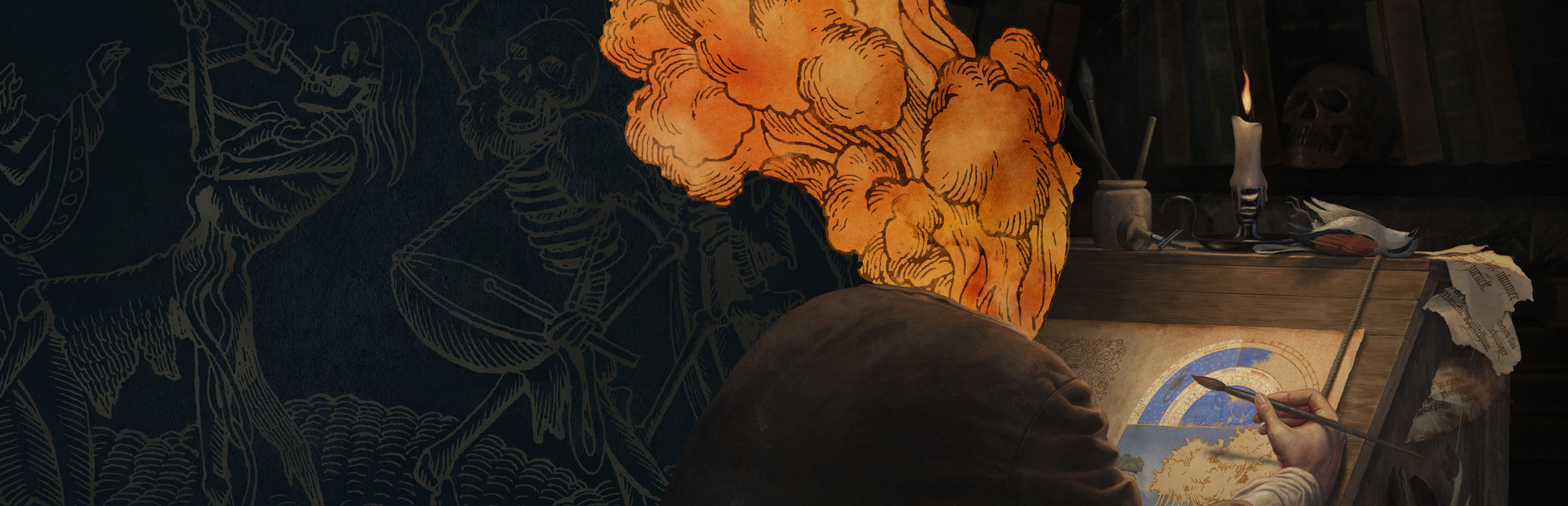
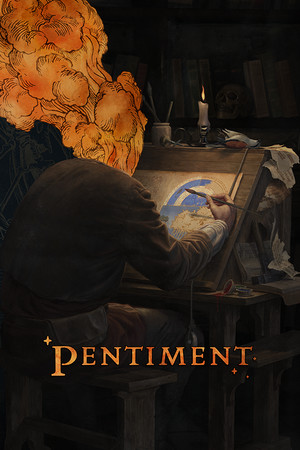
I went into Pentiment expecting a curiosity, a small Obsidian side-project that might be clever but thin. What I got instead was something that stuck around in my head long after the credits rolled, which almost never happens with games that have no combat, no loot, and no XP bar. This is Josh Sawyer's decades-old personal project finally made real, and the conviction behind it shows in every line of dialogue. You play as Andreas Maler, a journeyman painter completing an apprenticeship at Kiersau Abbey in the fictional Alpine town of Tassing, Bavaria, circa 1518. The story spans 25 years across three acts, and the central hook is a series of murders that you are asked to investigate with imperfect information and an actual time limit. The critical mechanic here is that you cannot follow every lead. Andreas has a finite number of hours in each day, and committing to one line of inquiry closes off another. When you eventually have to stand before the archdeacon and make an accusation, you do it with whatever incomplete picture you have assembled. The game never tells you whether you got it right. That moral weight, the fact that an innocent person may die because of a choice you made on limited evidence, is what separates Pentiment from every other narrative adventure on the market right now. Character building works through backstory selection rather than stat allocation. You pick Andreas's university specialization, choosing from theology, law, or medicine, and then select skills from a list that includes latinist, logician, orator, astronomer, occultist, and naturalist. His travel history and hobbies open additional dialogue paths. Study law and you can handle a land dispute; spend time in Italy and you can hold a conversation in Italian rather than hunting down a translator. None of these traits are overtly flagged as better or worse, which means a second playthrough with a different build genuinely opens up different routes through the mystery. The writing is strong enough to make that replay feel like a different experience, not a scavenger hunt for locked content. The presentation is unlike anything else in the medium. The art draws from illuminated manuscripts and early printed woodcuts, and the game renders every scene as a living page from a hand-lettered book. Character fonts signal personality, monks speak in Gothic lettering, educated characters in italic, rough peasants in something more like chalk. Dialogue animates as if being written on the page in real time, which one common criticism notes can feel slightly slow even at the fastest setting, though an in-game accessibility option offers a voice-assist mode that reads all text aloud. The absence of voice acting is a genuine artistic choice rather than a budget shortcut, and a foreign language morphing visually into English as Andreas mentally translates it is the kind of detail that only works in a text-based medium. Minigames, things like breaking firewood, adjusting frames for an elderly widow, and deciding in what order to eat food at a shared table, are light and largely undemanding. They exist to texture daily life in Tassing, not to challenge your reflexes. Who will not enjoy this? Anyone who needs mechanical forward momentum, progression systems, or a payoff screen confirming they solved the puzzle correctly. The opening act is deliberately slow-paced, and backtracking through the monastery and village to find the right conversation can feel repetitive if you miss an objective flag. Navigation using a controller is occasionally clunky on diagonal paths. These are real friction points. But the audience for whom this was made, readers, history enthusiasts, fans of games like Night in the Woods or Oxenfree who want something with genuine historical weight behind it, will find a focused, beautifully made experience that respects their intelligence and holds its consequences long after the final act resolves.

Catch-all
Etiquetas
Requisitos del sistema
Mínimos
- OS
- Windows 7 (SP1) 64bit
- Processor
- Intel Core i3-3225
- Memory
- 4 GB RAM
- Graphics
- Nvidia GTX 650 Ti
- Storage
- 12 GB available space
Recomendados
Requires a 64-bit processor and operating system
Sigue explorando
Community Discussion
Be the first to comment on Pentiment.
Reseñas y valoraciones
Información del juego
- Desarrolladora
- Obsidian Entertainment
- Distribuidora
- Xbox Game Studios
- Fecha de lanzamiento
- 14 nov 2022
- Clasificación por edad
- PEGI 16