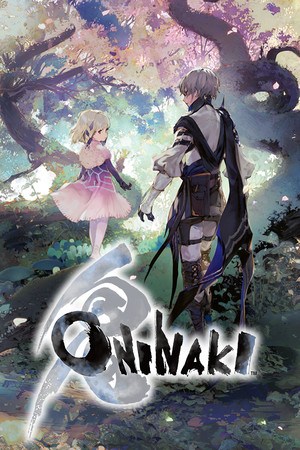
ONINAKI
Death as a law, grief as a crime, and a combat system that needs about four hours to stop feeling like homework. Worth it for the narrative payoff if you can stomach the grind.
Veredicto de GamerScout
Best for narrative-focused RPG fans who can forgive sluggish combat in exchange for a genuinely unsettling meditation on death and grief.
Comparar precios(5 tiendas)
Todas las tiendas de esta tabla nos dan el precio en euros, así que la cifra en EUR es el precio que fijó el vendedor, no un cálculo nuestro, y por eso EUR es también la moneda en la que calculamos el ranking. Solo incluimos aquí una oferta cuando la tienda nos da su precio en euros, de modo que ninguna cifra de esta tabla es inventada por nosotros.
Elige USD, PLN, GBP, CAD o AUD en la cabecera y convertimos desde EUR con el tipo de cambio de referencia del Banco Central Europeo — los importes convertidos llevan el prefijo ~. Tu banco o la tienda pueden aplicar un tipo distinto al pagar. Nunca ocultamos ofertas según dónde estés: todo el mundo ve esta tabla completa.
We may earn a commission when you buy games through links on this page — at no extra cost to you. It never affects our rankings or verdicts.
Historial de precios
Capturas y multimedia
Acerca de ONINAKI
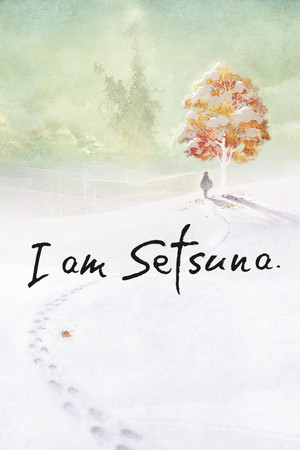
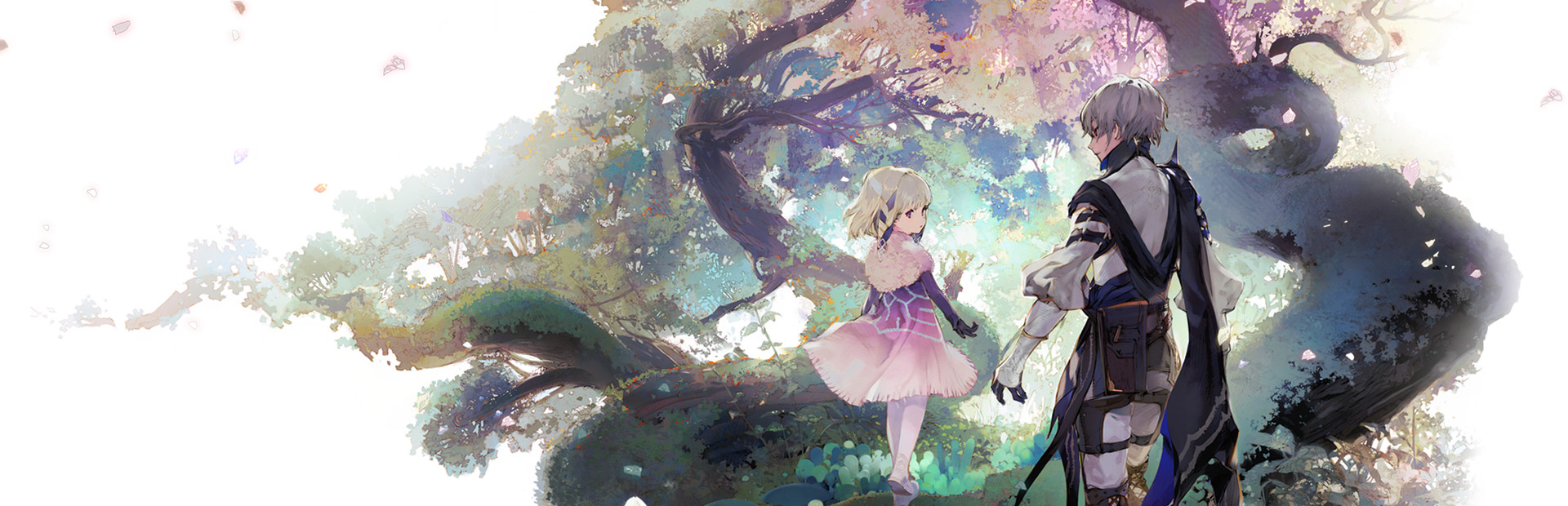
I went into ONINAKI expecting Tokyo RPG Factory's usual brand of melancholy-tinged comfort food, and what I got instead was something considerably darker and more philosophically pointed than either I Am Setsuna or Lost Sphear ever tried to be. The premise alone earns it serious attention from anyone who cares about worldbuilding: in Kagachi's society, mourning the dead is literally illegal, because grief is what traps wandering souls in the purgatorial Beyond and warps them into monsters. That is a genuinely unsettling foundation for an RPG, and for the first half of the game the narrative leans hard into the implications, examining the ethics of forced reincarnation through a rotating cast of side stories. The writing does not flinch at suicide, at impossible choices, or at the kind of grief that hollows people out. For a studio-tier budget game from a Square Enix subsidiary, that level of thematic ambition is worth acknowledging. Kagachi himself is the frustrating centerpiece of all this. He starts gruff, stays gruff, and rarely evolves in the ways you want a protagonist to when the story around him is asking genuinely hard questions. Where the narrative earns real emotion is through the Daemons, the lost souls Kagachi bonds with for combat. Each Daemon carries a full personal history unlocked through skill tokens, and spending those tokens to watch backstory vignettes is the best thing in the game. Characters like Aisha (big sword, tragic arc) or Dia (gunfighter, more tragic arc) are more interesting than the main cast, and discovering their stories while simultaneously leveling up their skill trees gives the progression loop its only real hook past hour ten. You can equip up to four Daemons and swap between them in real time during fights, which is the system doing its absolute best work. Combat is where consensus fractures, and I land mostly on the skeptical side. The action RPG pivot from the studio's turn-based roots sounds exciting on paper, but in practice the movement feels sluggish and the dodge window is punishing in a way that reads less like Dark Souls intentionality and more like animation budget. You cannot dodge or heal mid-attack, recovery frames are long, and the enemy roster recycles aggressively across the entire game length. The Daemon matchup system, where certain spirits are stronger against specific enemy types, adds a layer of strategy that the game then undercuts by making normal difficulty too forgiving to require you to actually use it. Boss encounters drag through oversized health bars rather than clever design. The combat is not broken. It is just never as satisfying as the Daemon system beneath it promises. The final third is where ONINAKI most visibly runs out of steam. What starts as a focused, morally uncomfortable story collapses into a string of exposition dumps and padding that several reviewers flagged, and they were right to. There were multiple points where the game felt like it was signing off, only to keep going. That structural looseness hurts a narrative that genuinely earned its emotional weight in the middle chapters. The visual presentation is stronger than the budget implies, with a painterly contrast between the muted Living World and the sickly, atmospheric Beyond doing real work to sell the setting. The score, however, is largely forgettable, which is a shame given how much the game leans on its mood. The audience for ONINAKI is specific: RPG players who prioritize worldbuilding and thematic weight over responsive combat, who can tolerate repetitive enemy encounters if the story in between is doing something interesting, and who will not bounce off a slow-building protagonist. If you have finished everything Nier Automata had to say about machine consciousness and want something that asks similarly heavy questions about death and memory but with a lighter systems footprint, ONINAKI is the underseen game for that mood. Just go in knowing the back half will test your patience more than your build.

RPGs
Etiquetas
Requisitos del sistema
Mínimos
- OS
- Windows® 7 SP1 / 8.1 / 10 64-bit
- Memory
- 4 GB RAM
- DirectX
- Version 11
- Storage
- 5 GB available space
- Graphics
- AMD Radeon™ R7 260X / NVIDIA® GeForce® GTX 750
- Processor
- AMD Ryzen™ 3 1200 / Intel® Core™ i3-3210
- Sound Card
- DirectX Compatible Sound Card
Recomendados
- OS
- Windows® 7 SP1 / 8.1 / 10 64-bit
- Memory
- 8 GB RAM
- DirectX
- Version 11
- Storage
- 5 GB available space
- Graphics
- AMD Radeon™ RX460 / NVIDIA® GeForce® GTX950
- Processor
- AMD Ryzen™ 3 1200 / Intel® Core™ i5-6400
- Sound Card
- DirectX Compatible Sound Card
Sigue explorando
Community Discussion
Be the first to comment on ONINAKI.
Reseñas y valoraciones
Información del juego
- Desarrolladora
- Tokyo RPG Factory
- Distribuidora
- Square Enix
- Fecha de lanzamiento
- 22 ago 2019