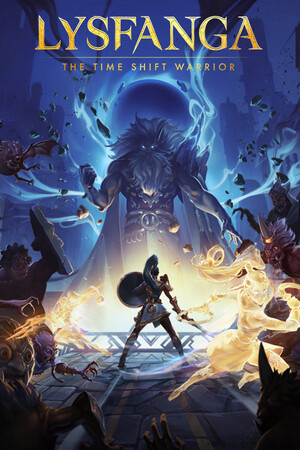
Lysfanga: The Time Shift Warrior
Clever clone-stacking combat that turns a single warrior into a synchronized hit squad, let down by thin exploration and a final third that runs out of ideas before it runs out of levels.
Veredicto de GamerScout
Buy it for the Remnant combat puzzle alone, but go in knowing the exploration and late-game rewards are skeletal.
Comparar precios(8 tiendas)
Todas las tiendas de esta tabla nos dan el precio en euros, así que la cifra en EUR es el precio que fijó el vendedor, no un cálculo nuestro, y por eso EUR es también la moneda en la que calculamos el ranking. Solo incluimos aquí una oferta cuando la tienda nos da su precio en euros, de modo que ninguna cifra de esta tabla es inventada por nosotros.
Elige USD, PLN, GBP, CAD o AUD en la cabecera y convertimos desde EUR con el tipo de cambio de referencia del Banco Central Europeo — los importes convertidos llevan el prefijo ~. Tu banco o la tienda pueden aplicar un tipo distinto al pagar. Nunca ocultamos ofertas según dónde estés: todo el mundo ve esta tabla completa.
We may earn a commission when you buy games through links on this page — at no extra cost to you. It never affects our rankings or verdicts.
Historial de precios
Capturas y multimedia
Acerca de Lysfanga: The Time Shift Warrior
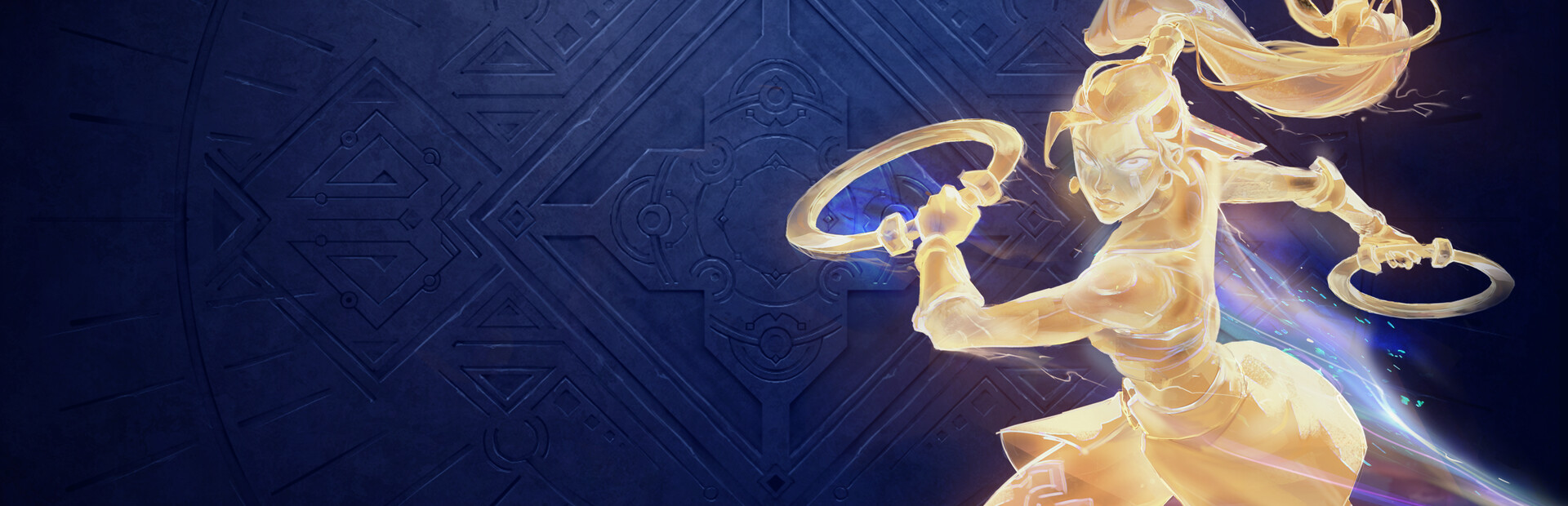
My instinct with any tactical action game is to pull it apart by its decision layers, and Lysfanga gave me more to work with than the isometric top-down presentation initially suggests. You play Imë, a warrior granted time-rewind powers by a goddess, and the central loop is genuinely smart: each combat arena pauses on entry so you can survey enemy placement, then you run a timed pass at the field, die or reset intentionally, and a Remnant of that exact run stays on the battlefield while you go again. Stack enough Remnants and you have a coordinated squad clearing different enemy clusters simultaneously. That moment when five past-selves finally converge on a pack of Raxes in sync is the kind of payoff that strategy players specifically chase. The mechanical variety inside that loop is real. Linked enemies must be killed simultaneously across separate Remnant passes, meaning you have to choreograph timing across runs rather than just route-plan. Shield golems require one Remnant to hold aggro from the front while another or Imë herself hits from behind. Coloured door gates lock alternating zones, forcing you to sequence your passes around the geography. Before each arena you pick from up to 14 spells, 10 runes, and 4 goddess powers, none of which are fully unlocked at the start, so the loadout decisions grow alongside the complexity. Weapons expand too: sword and shield give way to twin chakrams and a trident as the story progresses, and certain arenas require specific weapons to kill specific enemies, which can feel coercive rather than creative when a rune slot gets burned just to enable a weapon swap. The game also sits at roughly 10 hours for a clean run, longer if later arenas resist you, which at this price tier is a fair return. Where the cracks show is in everything surrounding the combat. Exploration is largely cosmetic: off-path detours yield outfit recolours, lore fragments, and Remnant Shards (four shards unlock one additional Remnant slot, the one collectible that actually matters). There is no meaningful gear progression, no mod ecosystem, and the AI reads as scripted pattern-sets rather than reactive opponents, which means combat mastery is really route optimization rather than adaptation. The story, drawn from Middle Eastern folklore with a Persian-inflected aesthetic that makes a welcome change from Greco-Roman defaults, delivers a family drama involving a missing twin brother named Kehör and a snake ally named Sitiss that is more engaging than the villain thread, but character writing stays thin throughout. The final third compounds the script issue by piling on new gimmicks faster than the earlier acts built the skill foundation for them, and replay incentive for cleared arenas is thin since beating par times earns no material reward. For strategy-leaning players specifically, the appeal is clear: this is less hack-and-slash and more sequencing puzzle that happens to have action dressing. Each arena is a solvable problem with multiple valid approaches, and the per-arena modifier system unlocked through a rescued golem named Longis adds constrained-challenge runs for anyone who wants to extend the experience. The OpenCritic aggregate of 76 from 25 critics and a Mostly Positive Steam audience (73% positive across 149 reviews) reflects a game that lands its core concept convincingly but does not surround it with enough supporting structure. First-time developer Sand Door Studio has built something worth your curiosity at a discount, with the understanding that you are buying the combat mechanic, not a complete game ecosystem.

Strategy & simulation
Etiquetas
Requisitos del sistema
Mínimos
- OS
- Windows 10 64bit
- Memory
- 8 GB RAM
- Graphics
- GeForce GX 780 [3GB] / Radeon RX 580
- Processor
- Intel Core I5-2300 @ 2.80GHz / AMD Ryzen 3 3200G
Recomendados
- OS
- Windows 10 64bit
- Memory
- 16 GB RAM
- Graphics
- GeForce RTX 2060 / Radeon RX 5700 XT
- Processor
- Intel Core 10700k @ 3.80GHz / AMD Ryzen 5 3600
Sigue explorando
Community Discussion
Be the first to comment on Lysfanga: The Time Shift Warrior.
Reseñas y valoraciones
No hay valoraciones disponibles
Información del juego
- Desarrolladora
- Sand Door Studio
- Distribuidora
- Spotlight by Quantic Dream
- Fecha de lanzamiento
- 13 feb 2024