Heartworm
A solo-crafted PS1-era grief dream that weaponizes a 35mm camera and fixed angles to do what most retro-horror revivals only gesture at: actually feel like something.
Veredicto de GamerScout
Best for players who want their retro-horror reverence paired with genuine emotional weight and can forgive a lean runtime and rough combat edges.
Comparar precios(3 tiendas)
Todas las tiendas de esta tabla nos dan el precio en euros, así que la cifra en EUR es el precio que fijó el vendedor, no un cálculo nuestro, y por eso EUR es también la moneda en la que calculamos el ranking. Solo incluimos aquí una oferta cuando la tienda nos da su precio en euros, de modo que ninguna cifra de esta tabla es inventada por nosotros.
Elige USD, PLN, GBP, CAD o AUD en la cabecera y convertimos desde EUR con el tipo de cambio de referencia del Banco Central Europeo — los importes convertidos llevan el prefijo ~. Tu banco o la tienda pueden aplicar un tipo distinto al pagar. Nunca ocultamos ofertas según dónde estés: todo el mundo ve esta tabla completa.
We may earn a commission when you buy games through links on this page — at no extra cost to you. It never affects our rankings or verdicts.
Historial de precios
Capturas y multimedia
Acerca de Heartworm
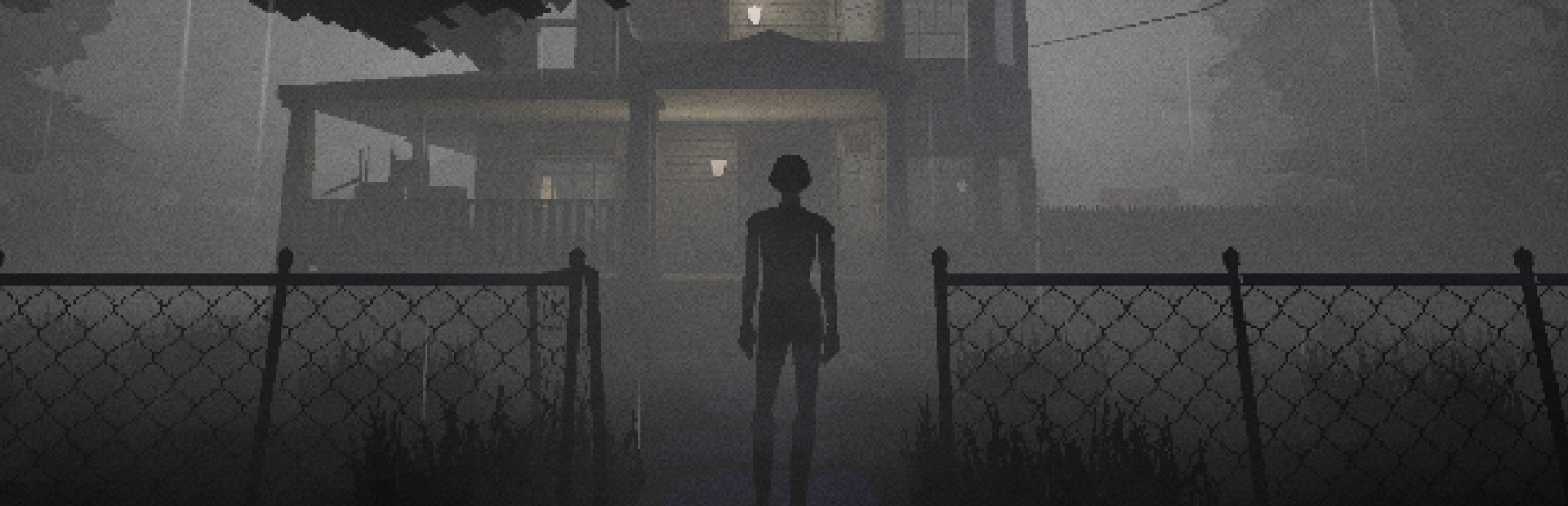
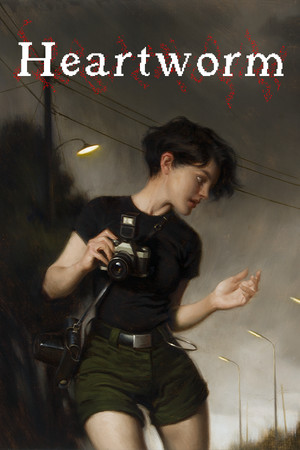
My first instinct when the title screen loaded was to check whether someone had handed me a forgotten disc from 1998. The chunky polygons, the unfiltered texture wobble, the way the menu just sits there breathing static at you until you press start. Vincent Adinolfi built Heartworm almost entirely alone, and that singular authorship shows in every corner of it. This is one person's grief externalized as a survival horror game, and the intimacy of that is the whole point. You play as Sam, a young woman still raw from her grandfather's death, who chases a rumor from late-90s internet chatrooms about a mountain house that offers contact with the dead. What she finds instead is The Archive, a surreal library at the axis of her own memory, and from there the game unfolds across four distinct sections: an abandoned house, a fog-thick neighborhood, a school, and stranger places still. Each section is a self-contained puzzle box you cannot revisit once you leave, which gives the structure an unusual finality. Locked doors demand specific keys earned through environmental puzzles, interactable notes, and a few gallery-style word puzzles that require genuine attention. The standout mechanical idea is the camera itself. Sam carries a 35mm as her only tool, switching to an over-the-shoulder perspective to photograph digital specters, mannequins, and spiders into submission. The flash doubles as a free light source in unlit rooms, which is a genuinely elegant dual-use design. A burst-mod attachment unlocks midgame, though community reports suggest it was bugged at launch. Some enemies can be avoided entirely; others trap you with stone circles and force the engagement. Combat is sparse and deliberately undersupplied in intent, though more than one reviewer noted that film rolls never became the scarce resource they probably should have been, which dulls the survival edge. Atmosphere is where Heartworm earns its reputation. The fixed camera placement makes Sam look tiny inside decaying rooms, enemies loom larger than they probably are, and the sound design shifts from genuinely calming save-room music to abrupt screeching distortion in ways that keep the nervous system off-balance. There are moments of strange beauty too, a void of houses backdropped by a gradient sky on the path to Sam's childhood bedroom, that feel genuinely handcrafted rather than procedural. The game knows when to exhale. The rough edges are real: modern controls and fixed angles fight each other on camera transitions, the boss encounters land as underwhelming for most players, some backtracking starts to feel more like key-fetching than mystery-solving, and a notable sliding block puzzle divides opinion sharply. A handful of late-game performance stutters were reported at launch as well. Three endings tied to optional collectibles (including ten hidden possums, which is a sentence that belongs in this game) give completionists a second pass, and an under-one-hour speed achievement suggests the developer knows the runtime is lean. A first thorough playthrough lands around six hours. For that length and that budget, the craft-to-runtime ratio is genuinely high. Heartworm started life as a demo on the Haunted PS1 Demo Disc in 2020, and the five-year road from itch.io cult favorite to full release is visible in how carefully the world has been constructed. It is not a technically flawless game. It is, however, one that a solo developer made with observable care about grief, memory, and what late-90s horror actually felt like to a teenager alone in the dark, and that combination is harder to fake than polish.

Indie & narrative
Etiquetas
Requisitos del sistema
Mínimos
- OS
- Windows 7 (SP1+) or Windows 10
- Memory
- 8 GB RAM
- DirectX
- Version 10
- Storage
- 8 GB available space
- Graphics
- DX10, DX11, DX12 capable
- Processor
- x86, x64 architecture with SSE2 instruction set support
Sigue explorando
Community Discussion
Be the first to comment on Heartworm.
Reseñas y valoraciones
No hay valoraciones disponibles
Información del juego
- Desarrolladora
- Vincent Adinolfi
- Distribuidora
- DreadXP
- Fecha de lanzamiento
- 31 jul 2025