Hardspace: Shipbreaker
Forget the premise on paper: dismantling spaceships in zero-g turns out to be one of the tightest first-person puzzle sandboxes in years, with a debt clock that makes every cut feel consequential.
Veredicto de GamerScout
8.3/10Best for players who want a physics-driven puzzle loop with genuine tension and can accept repetition as part of the design intent.
Comparar precios(5 tiendas)
Todas las tiendas de esta tabla nos dan el precio en euros, así que la cifra en EUR es el precio que fijó el vendedor, no un cálculo nuestro, y por eso EUR es también la moneda en la que calculamos el ranking. Solo incluimos aquí una oferta cuando la tienda nos da su precio en euros, de modo que ninguna cifra de esta tabla es inventada por nosotros.
Elige USD, PLN, GBP, CAD o AUD en la cabecera y convertimos desde EUR con el tipo de cambio de referencia del Banco Central Europeo — los importes convertidos llevan el prefijo ~. Tu banco o la tienda pueden aplicar un tipo distinto al pagar. Nunca ocultamos ofertas según dónde estés: todo el mundo ve esta tabla completa.
We may earn a commission when you buy games through links on this page — at no extra cost to you. It never affects our rankings or verdicts.
Historial de precios
Capturas y multimedia
Acerca de Hardspace: Shipbreaker
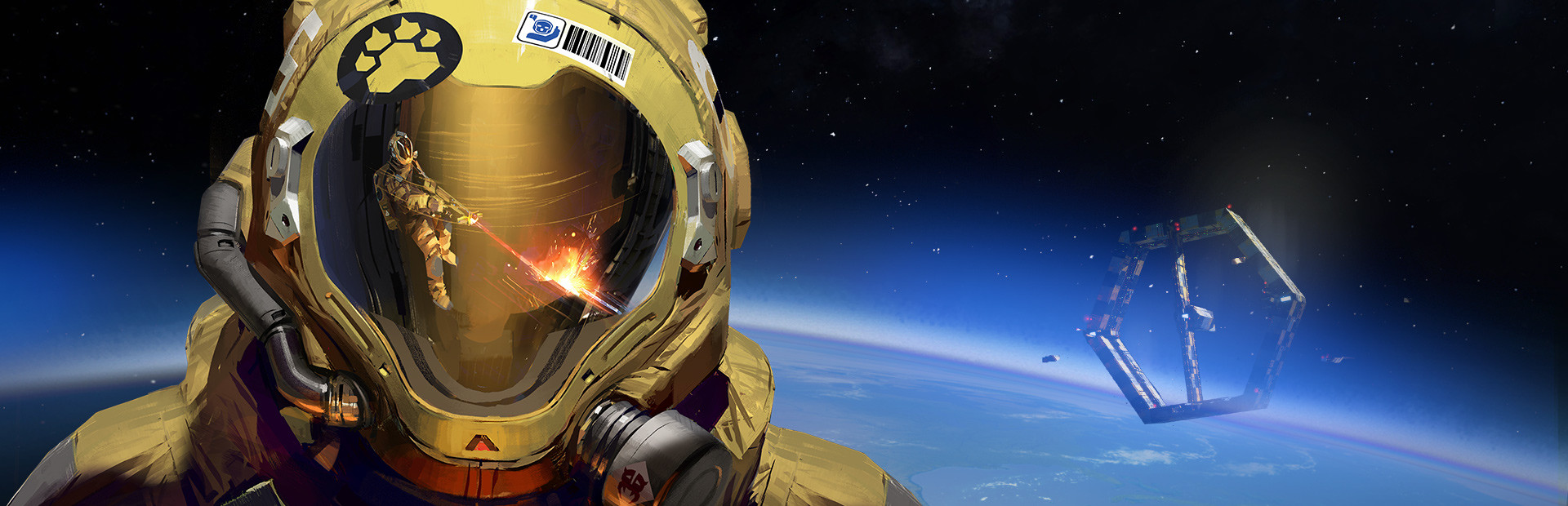
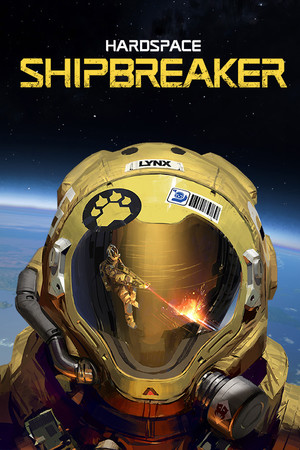
I have a spreadsheet for most games I review. Hardspace: Shipbreaker broke that habit because its decision layer sits somewhere between physics sandbox and logistics puzzle, and it turns out both of those things are genuinely hard to quantify in cells. What you are doing is sorting derelict spaceships for a fictional megacorp called Lynx, carving hulls with a laser cutter, flinging parts to the right destination - the salvage barge for electronics and thrusters, the processor for nanocarbon, the furnace for raw scrap - while 15-minute shift timers, oxygen reserves, and a billion-credit debt keep the pressure on. The three core tools you start with (laser cutter, scanner, and utility grapple with tethers) cover most of the job, and unlocking demo charges and sensor upgrades through the LYNX rank system genuinely changes how you approach a ship rather than just padding numbers. Around ten ship classes with pseudo-procedurally varied interiors mean you will not see the exact same vessel layout twice across dozens of hours of play. The early game asks a lot from newcomers. Zero-g movement is not hand-held; your thruster suit fights inertia instead of ignoring it, and the furnace and processor both have gravitational pull that will happily eat you alongside your salvage if you drift too close. That initial friction is the point, though. The difficulty curve is well-paced, ships graduate in complexity at a rate that feels designed rather than random, and three difficulty modes give real flexibility: Open Shift removes the time limit and oxygen drain entirely, Limited caps you at 30 clones, and No Revival is exactly what it sounds like. For players who worry about committing to a pressure-heavy sim, Open Shift is your entry ramp and it costs nothing to start there. The story - a workers-union-vs-megacorp narrative delivered through emails, radio chatter, and intercom calls from crewmates like Lou Steiner, Kaito Kovetchin, and foreman Joseph Weaver - runs about 30-40 hours for the main campaign, with full debt clearance taking considerably longer. Where the game earns its Metacritic 83 is in the quality of the core loop. Sorting parts sounds trivial until you realize a pressurised ship section can violently decompress the moment you cut the wrong panel, sending a thruster through your visor at high speed. Fuel lines, electrical conduits, reactor cores - every ship is a layered hazard map and the scanner is how you read it before committing a cut. Finding an efficient sequence through a Mackerel-class freighter versus a Gecko-class patrol vessel feels like solving two very different puzzles with the same tool set, which is the mark of good mechanical design. Sound design reinforces all of this: the dynamic soundtrack shifts from low-key Americana to tense electronic pulses when things get dangerous, and a suit upgrade adds spatial audio cues that become genuinely useful rather than decorative. The criticisms worth knowing about are real, not manufactured. The upgrade trees are bloated with incremental stat bumps that feel like padding compared to the handful of upgrades that actually matter. Some players find the story content unskippable in places, which stings during repeated shifts on the same act. The late-game ships grow more tedious before they grow more complex, with fewer hull breakpoints forcing slow disassembly through tight airlocks rather than surgical opening cuts. That repetition-as-hard-labor commentary is intentional and smart on paper; whether it lands as design or just feels like grind will depend entirely on your tolerance for the loop. The mod community has been active enough to add custom ships, which extends variety past what the base game provides.

Strategy & simulation
Etiquetas
Requisitos del sistema
Mínimos
- Processor
- Intel i5-6600K / AMD Ryzen 3 1300X
- Memory
- 8 GB RAM
- Graphics
- 4 GB VRAM, GeForce GTX 770 / Radeon R9 380
Recomendados
- OS
- Windows 10 (64-bit)
- Processor
- Intel i7-8700 / AMD Ryzen 5 2600
- Memory
- 16 GB RAM
- Graphics
- 6 GB VRAM, GeForce GTX 980 Ti / Radeon RX Vega 56 Direct…
Sigue explorando
Community Discussion
Be the first to comment on Hardspace: Shipbreaker.
Reseñas y valoraciones
Información del juego
- Desarrolladora
- Blackbird Interactive
- Distribuidora
- Blackbird Interactive
- Fecha de lanzamiento
- 24 may 2022