Duskers
A command-line roguelite where your fingers do the panicking: type one wrong door command and watch three hours of careful planning collapse in seconds.
Veredicto de GamerScout
Best for strategy players who want high-stakes resource management wrapped in the most atmospheric interface design in the roguelite genre.
Comparar precios(5 tiendas)
Todas las tiendas de esta tabla nos dan el precio en euros, así que la cifra en EUR es el precio que fijó el vendedor, no un cálculo nuestro, y por eso EUR es también la moneda en la que calculamos el ranking. Solo incluimos aquí una oferta cuando la tienda nos da su precio en euros, de modo que ninguna cifra de esta tabla es inventada por nosotros.
Elige USD, PLN, GBP, CAD o AUD en la cabecera y convertimos desde EUR con el tipo de cambio de referencia del Banco Central Europeo — los importes convertidos llevan el prefijo ~. Tu banco o la tienda pueden aplicar un tipo distinto al pagar. Nunca ocultamos ofertas según dónde estés: todo el mundo ve esta tabla completa.
We may earn a commission when you buy games through links on this page — at no extra cost to you. It never affects our rankings or verdicts.
Historial de precios
Capturas y multimedia
Acerca de Duskers
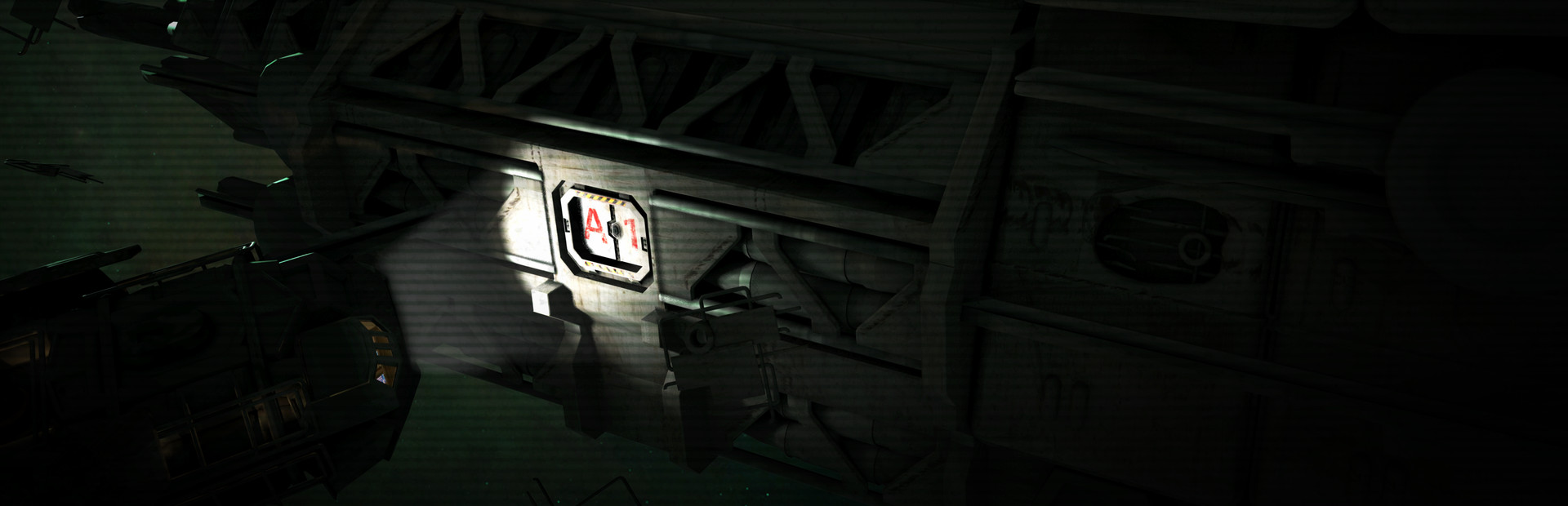
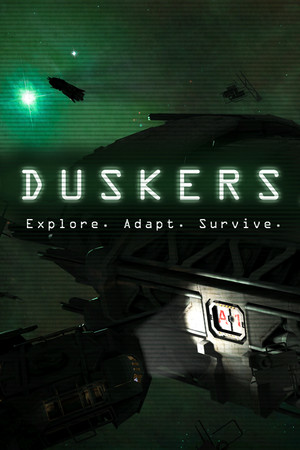
I have a soft spot for games that weaponize their interface against you, and Duskers does exactly that with a confidence that most strategy titles never manage. You sit behind a command-line terminal, issuing typed orders to a small squad of drones, and the whole thing is presented without a single layer of UI abstraction between you and the fiction. Your physical keyboard is the prop. The terminal on screen is the one your character is using. That choice alone reshapes how tension works, because when something goes wrong, your hands start moving faster and the commands start going sideways. The core loop is resource-strapped exploration. You begin each run with three drones, a shrinking fuel reserve, and zero knowledge of what is hiding behind any given door. Expanding that knowledge is the game: scan rooms, drop sensor probes, use the Motion upgrade to check adjacent corridors for movement, and then decide whether the scrap in the next room is worth the risk. The upgrade system is where the strategic depth lives. A Motion scanner gives you situational awareness that feels indispensable, until a run starts without one and you realize how much you were leaning on it. Suddenly you are rerouting drones, toggling stealth modules before each door, and improvising with whatever combination of Tractor, Repair, and Generator modules you happened to roll. The game also lets you create Aliases, essentially macros that chain commands together, which is the closest Duskers gets to a build-order system and the point where experienced players separate themselves from newcomers. Environmental hazards add another variable: depressurization, radiation leaks, asteroid collisions, and infestations of creatures that are almost always safer to herd through an airlock than to fight directly. The difficulty is genuine and the RNG can be punishing. A bad starting roll can hand you modules with no compatible terminals on the first few ships, or leave you fuel-starved before you have built any real momentum. The community compares it unfavorably to FTL in those moments, and that comparison is fair. However, the mission-abandon mechanic softens the blow considerably: you can cut your losses and leave a ship without triggering a full run reset, which keeps a bad session from becoming a wasted evening. The procedural generation means layouts never repeat, so the knowledge you carry between runs is strategic rather than spatial, which is the right call for this genre. Story is drip-fed through data logs recovered from derelict ships, and it is deliberately thin, building atmosphere more than plot. Some players will find that unsatisfying. Others will find it exactly as bleak and evocative as it intends to be. For strategy-minded players, the appeal is in the interlocking systems: drone loadouts, fuel economy, module synergies, and the meta-decision of when to push deeper into a hostile ship versus cutting and running. There is no mod ecosystem to speak of and the tutorial, while functional, does not hold your hand past the basics. That is appropriate. The game earns its Metacritic score of 83 honestly, sitting in a small category of releases that are genuinely unlike anything adjacent to them. Patience-averse players will bounce off the deliberate pacing. Everyone else will eventually find themselves constructing Alias macros at 1 AM and calling it efficient resource management.

Strategy & simulation
Etiquetas
Requisitos del sistema
Mínimos
- OS
- Windows XP+
- DirectX
- Version 9.0
- Storage
- 200 MB available space
- Graphics
- DX9 (shader model 2.0) capabilities; generally everything made since 2004 should work
- Processor
- SSE2 instruction set support.
Sigue explorando
Community Discussion
Be the first to comment on Duskers.
Reseñas y valoraciones
Información del juego
- Desarrolladora
- Misfits Attic
- Distribuidora
- Misfits Attic
- Fecha de lanzamiento
- 18 may 2016