Defend the Rook
Tower defense trappings wrapped around a tight turn-based tactics core, Defend the Rook is a compact strategy workout that punishes lazy positioning but clicks into place once you stop expecting a maze-builder.
Veredicto de GamerScout
A tidy tactics-roguelite hybrid worth picking up for genre newcomers, but hardened roguelike veterans will clear it before the difficulty gets interesting.
Comparar precios(4 tiendas)
Todas las tiendas de esta tabla nos dan el precio en euros, así que la cifra en EUR es el precio que fijó el vendedor, no un cálculo nuestro, y por eso EUR es también la moneda en la que calculamos el ranking. Solo incluimos aquí una oferta cuando la tienda nos da su precio en euros, de modo que ninguna cifra de esta tabla es inventada por nosotros.
Elige USD, PLN, GBP, CAD o AUD en la cabecera y convertimos desde EUR con el tipo de cambio de referencia del Banco Central Europeo — los importes convertidos llevan el prefijo ~. Tu banco o la tienda pueden aplicar un tipo distinto al pagar. Nunca ocultamos ofertas según dónde estés: todo el mundo ve esta tabla completa.
We may earn a commission when you buy games through links on this page — at no extra cost to you. It never affects our rankings or verdicts.
Historial de precios
Capturas y multimedia
Acerca de Defend the Rook
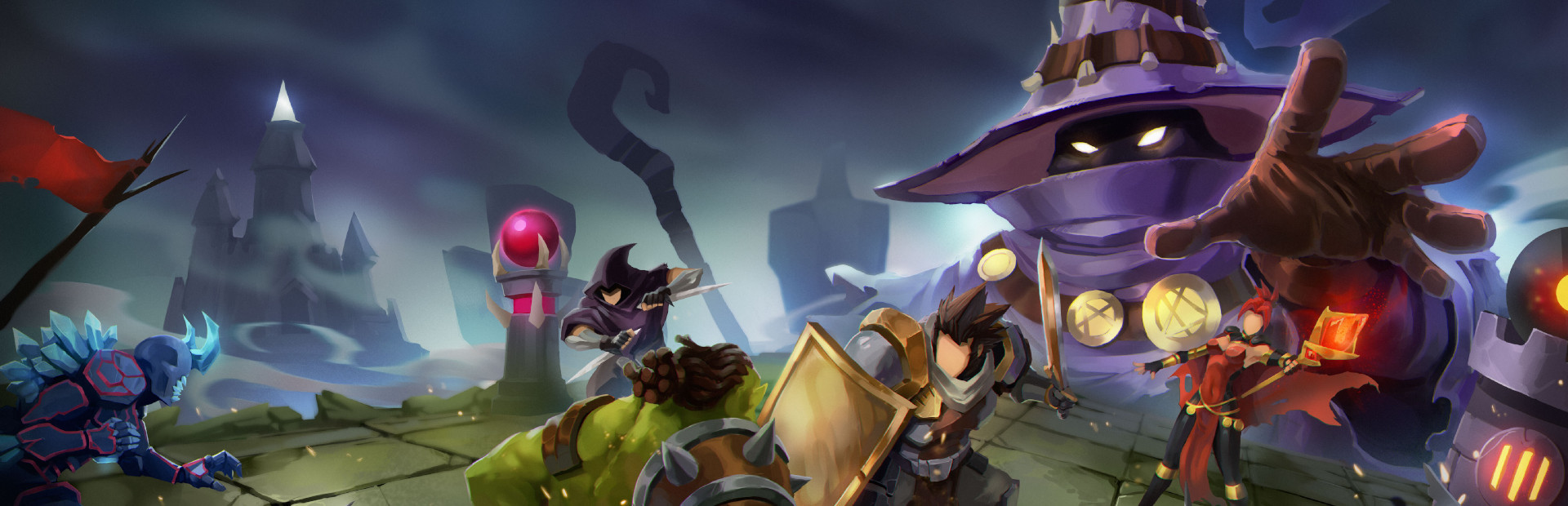
I went in expecting something close to a classic tower defense and walked out having played something that sits much closer to a chess-inflected tactics game with light roguelite seasoning. That reframe matters, because players who boot this up hunting for labyrinthine kill-corridors will bounce off it hard. Understand what it actually is, though, and the 9x9 grid starts to feel like a very deliberate puzzle box. The setup puts you in control of three heroes - a Warrior, Rogue, and Sorceress - plus the Rook itself, a mobile unit that can absorb hits and deal limited-range damage. Each turn you move and act with each piece, deciding whether to reposition or strike first (but not both, since attacking locks out movement). Towers, traps, and barricades round out your toolkit on the placement side, though their role is genuinely supporting rather than central - enemies will actively target your turrets, so hoarding a few for the later waves is often smarter than front-loading your defenses. A full run clears five areas with five waves each, culminating in a boss fight that gates your inter-run XP and gold payouts. Between runs, you spend those resources upgrading heroes and towers at the meta-level, which is where the roguelite label is most honestly earned. Within a run, the roguelite contribution is randomized per-wave upgrade choices for each hero - common, rare, and epic tiers covering stat bumps, positional bonuses, and triggered effects. The randomness can hand you a run-defining combo or leave you limping; there is no reroll, so luck tolerance matters. On the difficulty question: the community is split, and both camps have a point. At default settings several reviewers cleared a first run within six to ten attempts, which is on the gentler side for the genre. The ten ascension levels add progressively harsher modifiers - reduced healing, faster wave timers, enemy augmentation - but the scaling relies more on resource scarcity than smarter AI behavior, and runaway synergies can still trivialize a run if the upgrade draws align. For strategy fans used to genuinely punishing roguelikes, the early game will feel forgiving. The difficulty spike between individual levels inside a run can also feel inconsistent rather than graduated. What the game does earn is a solid tension loop once the ascensions start stacking: coordinating tower placement to funnel enemies into choke points while managing hero health across five consecutive waves with no full heal in between is genuinely satisfying when the pieces sync. The tutorial is thorough to a fault. It communicates the mechanics clearly and leaves room for player agency in approach, which is the right call for a tactics game, but it does drag. New players will appreciate it; returning tactics veterans will want a skip option. Visually the isometric grid is clean and readable, with distinct enemy silhouettes for each faction - goblins, vampires, and others themed per area. The fixed camera angle creates occasional occlusion issues where heroes or stats hide behind larger sprites, a real annoyance given how dependent correct reads are on knowing enemy health at a glance. Audio is pleasant but loops quickly enough that muting after a few sessions is a documented community response. On PC with mouse and keyboard, control friction is minimal and the game was clearly designed for this input; controller support exists but feels like a secondary thought. This is a good entry point for players who are curious about tactical roguelites but intimidated by deeper systems. The run length is manageable, the rules are learnable fast, and the inter-run progression means no run is ever fully wasted. Depth-seekers who want procedurally generated levels or genuinely ruthless AI will find a ceiling sooner than they would like. One Up Plus built a tidy, honest little game with a scope that matches its ambitions more often than it misses them.

Strategy & simulation
Etiquetas
Requisitos del sistema
Mínimos
- OS
- Windows 7/8/10
- Storage
- 2500 MB available space
- Graphics
- GeForce 600M / ATI Radeon HD 5450 (1GB)
- Processor
- Intel Pentium Dual CPU E2180 2.00GHz
- Sound Card
- Yes
Recomendados
Requires a 64-bit processor and operating system
DLC y complementos de Defend the Rook1
Expansiones, packs de DLC y contenido adicional de este juego. Haz clic en cualquier elemento para ver las ofertas de las tiendas.
Sigue explorando
Community Discussion
Be the first to comment on Defend the Rook.
Reseñas y valoraciones
No hay valoraciones disponibles
Información del juego
- Desarrolladora
- One Up Plus
- Distribuidora
- Goblinz Publishing
- Fecha de lanzamiento
- 26 oct 2021