
Compara los precios de Cognition Method en tiendas de claves de confianza y encuentra la mejor oferta. Desarrollado por Team Cognition. Publicado por Team Cognition. Disponible en PC, Linux. Géneros: Action, Adventure, Indie.

Portal's gravity tricks meet Tarkovsky's dread inside a monolithic alien artifact. Cognition Method is the kind of atmospheric slow-burn that sci-fi fans with patience will remember long after the credits roll.

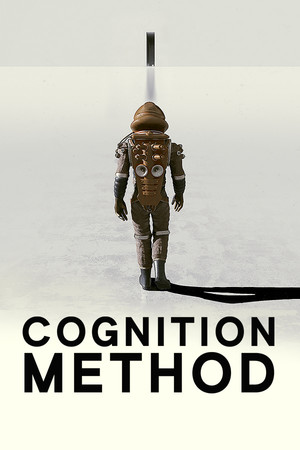
I keep coming back to the feeling Cognition Method leaves in the pit of your stomach: not terror exactly, but the particular unease of standing in a space that was never built for human eyes. The game drops you inside the Cube, a mysterious extraterrestrial structure whose secrets a missing scientific expedition apparently paid a steep price to approach. Your job is to go in after them. What follows is a first-person puzzle experience that wears its cinematic references openly, drawing clear lines back to the cold geometry of 2001: A Space Odyssey and the psychological fog of Solaris. That is a high bar to set, and the game does not always clear it, but it sets it with conviction. The mechanical heart of the experience is gravity manipulation. Gravity wells scatter across the environment, letting the player walk on walls and ceilings to reach switches, reposition physics objects like spheres and cubes, and essentially re-read every room as a three-dimensional puzzle with no fixed floor. Players familiar with Portal's object-placement logic will find the rhythms recognizable, but the added vertical axis makes even familiar switch-and-barrier setups feel genuinely strange. The puzzles ask you to think about architecture as something malleable, not fixed, and there are moments when flipping your orientation mid-room produces a quiet click of spatial understanding that is its own reward. Visually, Team Cognition commits to a deliberate contrast between two worlds. The human ship side carries a retro-futurist warmth, chunky panels and amber light and the sense that real people ate lunch here. The Cube itself is the opposite: cold concrete, symmetrical corridors, silence that presses rather than soothes. That contrast, the familiar against the alien, is where the game earns its atmosphere rather than just asserting it. A disembodied voice and fragmentary narrative moments add psychological horror texturing without tipping fully into jump-scare territory. The story is interested in bigger questions, fear of evolution, the limits of what humans can understand, and it gestures at multiple endings. Fair disclosure on context: as of writing, Cognition Method is still working its way toward a full release, with the demo Cognition Method: Initiation serving as the primary playable entry point and earning a strong positive reception on Steam. The full game has been in development for some time, and community patience has been tested by the long runway. Some players have flagged control quirks in the demo, particularly around mouse sensitivity and key remapping, and placeholder AI voices that the developers have confirmed are being replaced with recorded performances. None of that negates the genuine promise of what exists. It does mean you should go in with eyes open about where this project sits in its lifecycle. If the atmospheric foundation and the gravity-puzzle concept pull at something in you, the demo is free and worth the hour or two it takes. Kai, Scout Team

Cognition Method

Cognition Method

Por anunciarTeam Cognition
GamerScout opina

Portal's gravity tricks meet Tarkovsky's dread inside a monolithic alien artifact. Cognition Method is the kind of atmospheric slow-burn that sci-fi fans with patience will remember long after the credits roll.

PCLinux
Mejor precio disponible
7,35 €
en Eneba
Mínimo registrado: 7,35 €
Sigue este precio

Veredicto de GamerScout

For patient sci-fi puzzle fans who want Portal's spatial logic filtered through Tarkovsky's unease, this one is worth watching closely.

Comparar precios(1 tiendas)

EnebaMejor precio
GOTYEuropa (UE)GOG KeyClave
7,35 €
La tienda fija el precio en EUR
Comprar
GOTYGlobalGOG KeyClave
7,35 €
La tienda fija el precio en EUR
Comprar

Todas las tiendas de esta tabla nos dan el precio en euros, así que la cifra en EUR es el precio que fijó el vendedor, no un cálculo nuestro, y por eso EUR es también la moneda en la que calculamos el ranking. Solo incluimos aquí una oferta cuando la tienda nos da su precio en euros, de modo que ninguna cifra de esta tabla es inventada por nosotros.

Elige USD, PLN, GBP, CAD o AUD en la cabecera y convertimos desde EUR con el tipo de cambio de referencia del Banco Central Europeo — los importes convertidos llevan el prefijo ~. Tu banco o la tienda pueden aplicar un tipo distinto al pagar. Nunca ocultamos ofertas según dónde estés: todo el mundo ve esta tabla completa.

We may earn a commission when you buy games through links on this page — at no extra cost to you. It never affects our rankings or verdicts.

Historial de precios

Mínimo registrado
7,35 €7 jun 2026
Mejor precio actual
7,35 €
El más bajo desde que lo seguimos
Tiendas de claves
6,76 €7,15 €7,55 €7,94 €7 Jun24 Jun12 Jul29 Jul15 Aug
7 jun — 15 ago
Crear alerta

Capturas y multimedia

Acerca de Cognition Method

I keep coming back to the feeling Cognition Method leaves in the pit of your stomach: not terror exactly, but the particular unease of standing in a space that was never built for human eyes. The game drops you inside the Cube, a mysterious extraterrestrial structure whose secrets a missing scientific expedition apparently paid a steep price to approach. Your job is to go in after them. What follows is a first-person puzzle experience that wears its cinematic references openly, drawing clear lines back to the cold geometry of 2001: A Space Odyssey and the psychological fog of Solaris. That is a high bar to set, and the game does not always clear it, but it sets it with conviction. The mechanical heart of the experience is gravity manipulation. Gravity wells scatter across the environment, letting the player walk on walls and ceilings to reach switches, reposition physics objects like spheres and cubes, and essentially re-read every room as a three-dimensional puzzle with no fixed floor. Players familiar with Portal's object-placement logic will find the rhythms recognizable, but the added vertical axis makes even familiar switch-and-barrier setups feel genuinely strange. The puzzles ask you to think about architecture as something malleable, not fixed, and there are moments when flipping your orientation mid-room produces a quiet click of spatial understanding that is its own reward. Visually, Team Cognition commits to a deliberate contrast between two worlds. The human ship side carries a retro-futurist warmth, chunky panels and amber light and the sense that real people ate lunch here. The Cube itself is the opposite: cold concrete, symmetrical corridors, silence that presses rather than soothes. That contrast, the familiar against the alien, is where the game earns its atmosphere rather than just asserting it. A disembodied voice and fragmentary narrative moments add psychological horror texturing without tipping fully into jump-scare territory. The story is interested in bigger questions, fear of evolution, the limits of what humans can understand, and it gestures at multiple endings. Fair disclosure on context: as of writing, Cognition Method is still working its way toward a full release, with the demo Cognition Method: Initiation serving as the primary playable entry point and earning a strong positive reception on Steam. The full game has been in development for some time, and community patience has been tested by the long runway. Some players have flagged control quirks in the demo, particularly around mouse sensitivity and key remapping, and placeholder AI voices that the developers have confirmed are being replaced with recorded performances. None of that negates the genuine promise of what exists. It does mean you should go in with eyes open about where this project sits in its lifecycle. If the atmospheric foundation and the gravity-puzzle concept pull at something in you, the demo is free and worth the hour or two it takes.

Kai
Kai · Scout Team

Indie & narrative

Etiquetas

singleplayerachievementscloud-savestier:indieGravity ManipulationPsychological Sci-FiCinematic PuzzleEnvironmental StorytellingMultiple EndingsPhysics PuzzlesRetro-Futurist AestheticDemo Available

Requisitos del sistema

Mínimos

OS
Windows 7
Memory
8 GB RAM
Storage
15 GB available space
Graphics
nVidia GeForce 1060 GTX / AMD Radeon RX 580
Processor
i3 4130 / amd fx 4300

Sigue explorando

Community Discussion

Be the first to comment on Cognition Method.

Reseñas y valoraciones

No hay valoraciones disponibles

Información del juego

Desarrolladora
Team Cognition
Distribuidora
Team Cognition
Fecha de lanzamiento
Por anunciar

Alerta de precio

¡Recibe un aviso cuando el precio baje de tu objetivo!

Crear alerta
Mejor precio7,35 €
Ver oferta

En los 21.266 juegos que seguimos, una clave verificada fue más barata que la tienda oficial el 92% de las veces. Consulta el método y las cifras completas en nuestro informe de precios de juegos.

¿Sin tarjeta? Paga de otra forma

Recarga tu saldo de Steam o compra crypto con cualquier tarjeta — entrega instantánea, sin cuenta bancaria.

Compra mejor: guías útiles

Preguntas frecuentes sobre Cognition Method

¿Cuánto cuesta Cognition Method?

A 15 de agosto de 2026, la oferta más barata disponible de Cognition Method es €7.35 en Eneba, de entre 2 ofertas activas que seguimos en tiendas de claves verificadas. Los precios cambian a diario — la tabla de esta página se actualiza continuamente.

¿Dónde puedo comprar Cognition Method más barato?

El precio más bajo disponible que seguimos para Cognition Method es €7.35 en Eneba (15 de agosto de 2026). Comparamos 2 ofertas activas de tiendas de claves verificadas — la tabla completa con cada tienda y su puntuación de confianza está en esta página.

¿En qué plataformas está disponible Cognition Method?

Cognition Method está disponible en PC, Linux.

¿Quién desarrolló Cognition Method?

Cognition Method fue desarrollado por Team Cognition.