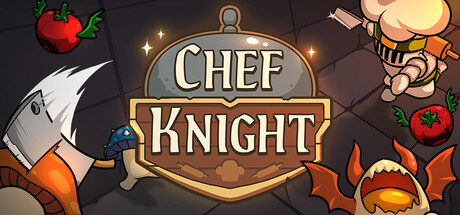
Chef Knight
Slaying goblins to build a restaurant empire sounds absurd, and yet 94% of nearly two thousand Steam reviewers can't put it down. Cozy incremental hooks dressed in frying-pan combat.
Veredicto de GamerScout
Best for incremental fans who want a clean, cozy loop with real systems depth - just don't expect the run count to hit triple digits.
Comparar precios(1 tiendas)
Todas las tiendas de esta tabla nos dan el precio en euros, así que la cifra en EUR es el precio que fijó el vendedor, no un cálculo nuestro, y por eso EUR es también la moneda en la que calculamos el ranking. Solo incluimos aquí una oferta cuando la tienda nos da su precio en euros, de modo que ninguna cifra de esta tabla es inventada por nosotros.
Elige USD, PLN, GBP, CAD o AUD en la cabecera y convertimos desde EUR con el tipo de cambio de referencia del Banco Central Europeo — los importes convertidos llevan el prefijo ~. Tu banco o la tienda pueden aplicar un tipo distinto al pagar. Nunca ocultamos ofertas según dónde estés: todo el mundo ve esta tabla completa.
We may earn a commission when you buy games through links on this page — at no extra cost to you. It never affects our rankings or verdicts.
Historial de precios
Capturas y multimedia
Acerca de Chef Knight
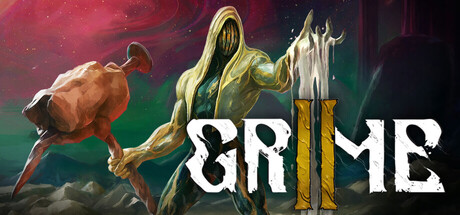
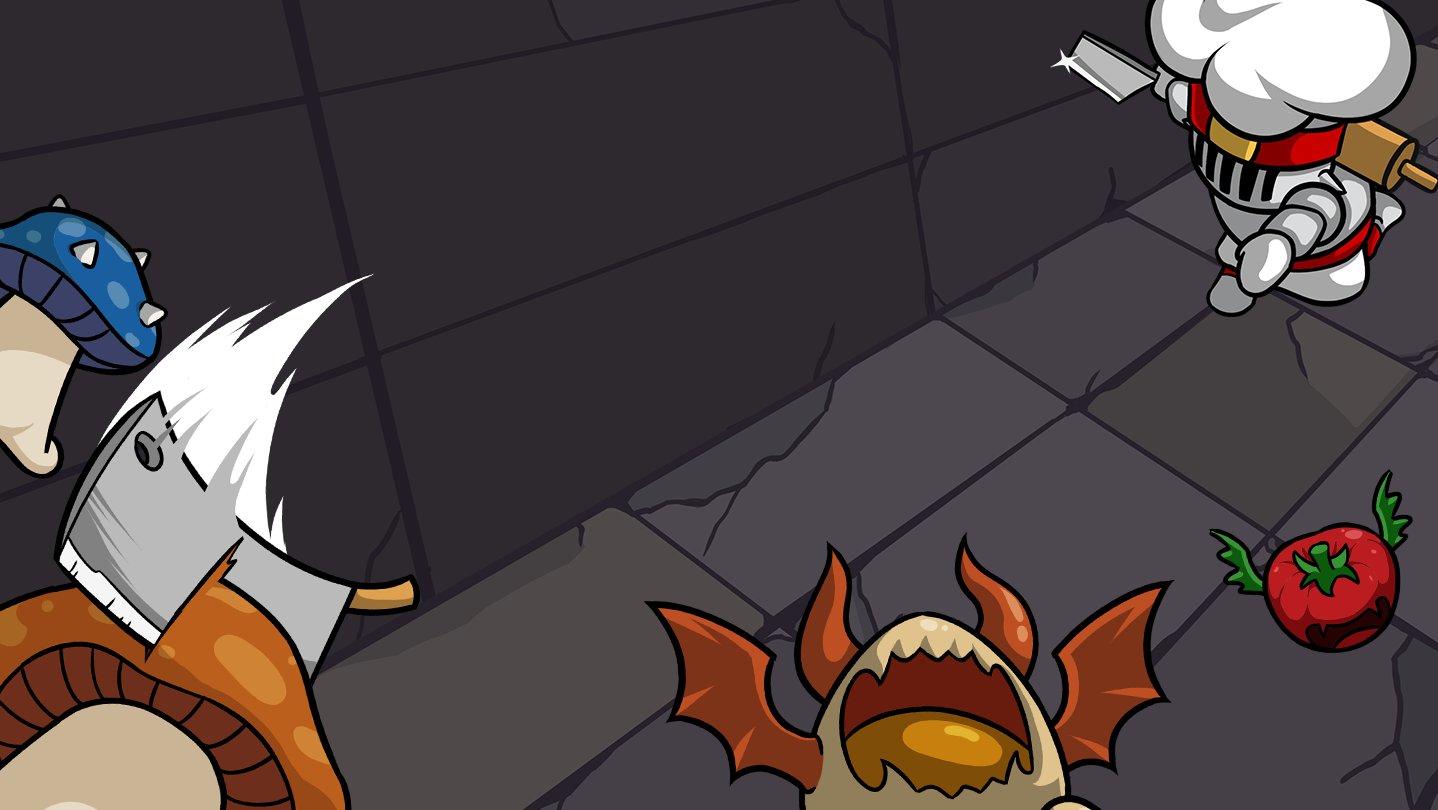
I have a colour-coded spreadsheet for every Paradox DLC, so when a game built around a three-beat loop of fight, cook, sell hooked me for an evening, I paid attention. Chef Knight is the kind of title that strategy and sim fans might scroll past on the store page, then lose three hours to on a Tuesday. It comes from Clover Bite, the studio behind the critically respected GRIME Metroidvania series, and it shows in the craft: this is not a weekend jam project. The hand-drawn aesthetic, the deliberately interconnected systems, the way nothing on screen feels wasted, all of it has a considered feel that punches above the game's modest scope. The core loop works in three clean phases, and the genius is how tightly each feeds the next. You drop into a top-down dungeon, aim your attacks, dodge traps, and fight monsters with weapons that include frying pans and other culinary-themed implements as you push deeper into increasingly dangerous floors. Every kill drops ingredients, not gold, not XP in a conventional sense. Back in the kitchen, those ingredients become dishes, ranging from simple broths early on to rare delicacies once you've unlocked deeper dungeon zones and the recipes that go with them. You serve the finished food to a steady queue of goblin customers, collect the coin, then invest it into a skill tree that can improve your combat speed, ingredient collection rate, or kitchen throughput. The loop clicks fast, and once it clicks it is genuinely difficult to find a stopping point. From a systems perspective, the skill tree is the most interesting decision space. You can specialise toward shorter, more efficient dungeon runs that prioritise rare ingredient drops, or lean into kitchen upgrades that multiply the gold value of each dish. Neither path locks you out of the other, but the early choices do shape your mid-game pacing noticeably. Combat itself is crowd management rather than precision action, closer to a light twin-stick experience than anything demanding. Some players have flagged that the combat loop feels thin by later runs, and that is a fair note. The game's difficulty does not really escalate in a way that forces tactical creativity in the dungeons. What keeps it moving is the pull of the economy side, not the swordplay. The two honest criticisms that surface regularly in the community are length and scaling. Several players report completing the main story arc in roughly two hours if they push efficiently, and the average playtime sits around eighteen hours for those who explore the full recipe roster and skill tree. That is a short window for an incremental game, and the lack of a prestige or new-game-plus system means the post-completion sandbox has limited legs. On the scaling side, some players have noted that progression gains get diluted as you advance, so the power fantasy of watching numbers climb does plateau before the credits roll. For players who come to incrementals specifically for that dopamine curve, the back half of the game can feel like it is running in place. There was also a post-launch patch that caused at least one wave of save-file losses, though Clover Bite appears to have addressed it. Controller support is solid throughout, with the one friction point being the skill tree, which is clearly designed for mouse navigation. For anyone asking whether this is worth picking up right now: if you want a compact, well-made game that cross-pollinates top-down action with incremental restaurant management, Chef Knight delivers that combination with real care. It is not a 200-hour commitment. It is not a deep strategy sandbox. It is a tightly designed loop that respects your time while it lasts, built by a studio that clearly knows how to finish a game. Newcomers to the incremental genre will find it one of the friendliest entry points available, because the systems are legible from minute one and the feedback is constant. Veterans of the genre may find the ceiling arrives sooner than they'd like, but the ride there is clean.

Strategy & simulation
Etiquetas
Requisitos del sistema
Mínimos
- OS
- Windows 10 version 21H1
- Memory
- 8 GB RAM
- DirectX
- Version 11
- Storage
- 500 MB available space
- Graphics
- Geforce GTX 1050 or similar
- Processor
- Intel i5-4590 or similar
Recomendados
Requires a 64-bit processor and operating system
Sigue explorando
Community Discussion
Be the first to comment on Chef Knight.
Reseñas y valoraciones
Información del juego
- Desarrolladora
- Clover Bite
- Distribuidora
- Clover Bite
- Fecha de lanzamiento
- 1 jun 2026