Beat Souls
A cyberpop rhythm-action hybrid that asks you to juggle two jobs at once, dodging Noise walls and colour-matching your Otomo flames, all while the screen tries to overwhelm you with neon. Worth knowing what you're signing up for before you click buy.
Veredicto de GamerScout
Pick it up if you want a punchy reflex challenge with anime flair; skip it if a memorable soundtrack is non-negotiable for your rhythm game fix.
Comparar precios(5 tiendas)
Todas las tiendas de esta tabla nos dan el precio en euros, así que la cifra en EUR es el precio que fijó el vendedor, no un cálculo nuestro, y por eso EUR es también la moneda en la que calculamos el ranking. Solo incluimos aquí una oferta cuando la tienda nos da su precio en euros, de modo que ninguna cifra de esta tabla es inventada por nosotros.
Elige USD, PLN, GBP, CAD o AUD en la cabecera y convertimos desde EUR con el tipo de cambio de referencia del Banco Central Europeo — los importes convertidos llevan el prefijo ~. Tu banco o la tienda pueden aplicar un tipo distinto al pagar. Nunca ocultamos ofertas según dónde estés: todo el mundo ve esta tabla completa.
We may earn a commission when you buy games through links on this page — at no extra cost to you. It never affects our rankings or verdicts.
Historial de precios
Capturas y multimedia
Acerca de Beat Souls
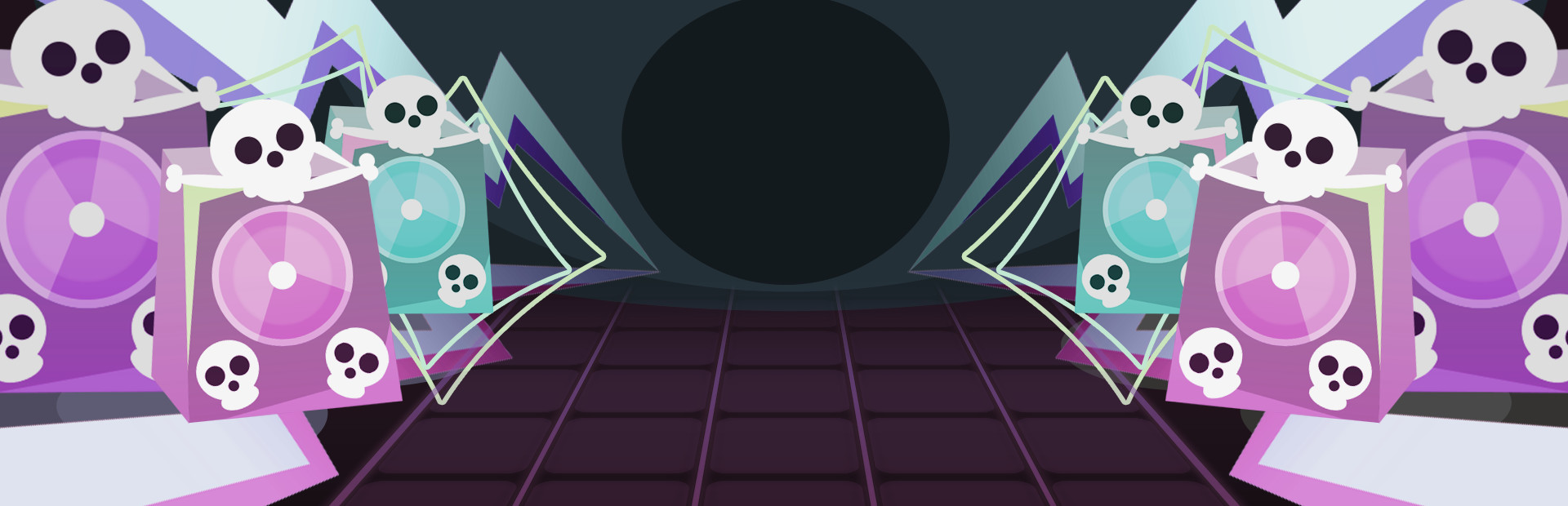
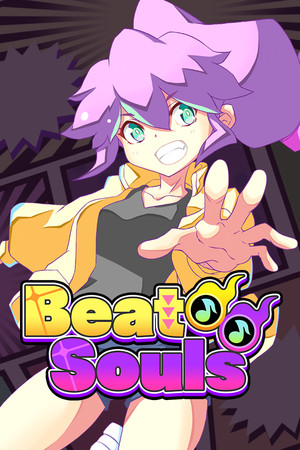
I went into Beat Souls expecting the usual rhythm-game contract: music tells you what to do, you comply, satisfaction ensues. That contract is only half-honoured here, and the half that gets broken is the one you care about most. Zoo Corporation's PC title sits in an odd category: it calls itself a rhythm game, but the action patterns are governed almost entirely by visual cues rather than the beat itself. The music runs underneath the gameplay more like a mood layer than a director. Once you accept that framing, things get more interesting, but you do have to consciously recalibrate what you expect from the genre. The mechanical premise is genuinely novel. You play as Mikoto, a shrine maiden soothing agitated Rhythm Yokai, and your tools are two floating Otomo companions flanking your character on a five-lane vertical grid. Your left hand manages Mikoto, dodging incoming Noise walls by moving left or right or jumping over floor traps. Your right hand manages the Otomo formation, splitting them wide or collapsing them to one side to catch incoming Beat Souls, while also tapping a colour-switch button to match the yellow or blue souls mid-flight. When the patterns align and your combo climbs, a Fever gauge fills and briefly multiplies your score. On paper that sounds like elegant split-brain design, and at the lower difficulties it mostly is. The control scheme becomes second nature within a few stages, and the structured difficulty curve across 45 tracks with normal and hard modes does a respectable job of introducing hazards gradually. There is also a Hell Mode for each Yokai opponent, an endless survival run where the challenge escalates so sharply that surviving past a handful of levels feels genuinely earned. Three unlockable characters, Mei, NeNe and Rinko, each carry a passive perk, with Mei's damage absorption being the practical standout for anyone trying to extend combo runs. Where the game earns mixed feelings from most people who cover it, including me, is the soundtrack and the screen. The music leans heavily into cyberpop and J-pop territory, with tracks by DI math-cow and a handful of other contributors. Some of it carries a vaporwave-adjacent spaciousness that actually suits the lower-energy pacing at normal difficulty. But a lot of the tracks blur together, and crucially, because the game does not ask you to listen to hit your marks, you can zone out the audio entirely and lose nothing mechanically. That disconnect is the genuine flaw at the core of the experience. The other honest complaint is the visual density: even with the in-game options to reduce strobing and particle effects, the screen at higher BPMs is a full-spectrum assault. It rewards focus but it can also cause genuine eye fatigue on extended sessions, so taking that settings menu seriously before diving into Hell Mode is not optional advice. Taken on its own terms, Beat Souls is a compact, low-cost reflex trainer with an anime skin and a surprisingly spiky skill ceiling. It is not the soundtrack-first rhythm experience that fans of Hatsune Miku Project Diva or Groove Coaster are hunting. It is closer to a dexterity puzzle that happens to have music running alongside it. If that sounds like a downgrade, it is for some players. If it sounds like a low-stakes way to train split-attention reflexes while something neon flickers pleasantly at you, there is genuine fun to be extracted here, especially once Hell Mode starts humbling you into caring.

Indie & narrative
Etiquetas
Requisitos del sistema
Mínimos
- OS
- Windows 8.1/10
- Memory
- 2 GB RAM
- DirectX
- Version 11
- Storage
- 1 GB available space
- Graphics
- DirectX Compatible video card with Pixel Shader 3.0 and Vertex Shader 3.0 support
- Processor
- 2Ghz(x86_64)
- Sound Card
- DirectX-compatible sound
Sigue explorando
Community Discussion
Be the first to comment on Beat Souls.
Reseñas y valoraciones
No hay valoraciones disponibles
Información del juego
- Desarrolladora
- Zoo Corporation
- Distribuidora
- Zoo Corporation
- Fecha de lanzamiento
- 29 jul 2021



![Carátula de Pretty Girls Mahjong Solitaire [GREEN]](https://cdn.cloudflare.steamstatic.com/steam/apps/1432670/library_600x900.jpg)
![Carátula de Pretty Girls Mahjong Solitaire [BLUE]](https://cdn.cloudflare.steamstatic.com/steam/apps/1418680/library_600x900.jpg)