Astronite
A handcrafted 1-bit metroidvania with genuine old-school teeth - lean toolkit, demanding platforming, and boss fights worth the bruises. Not one for the patience-light.
Veredicto de GamerScout
Best for genre veterans who want a lean, punishing metroidvania with atmosphere to spare and no interest in hand-holding.
Comparar precios(3 tiendas)
Todas las tiendas de esta tabla nos dan el precio en euros, así que la cifra en EUR es el precio que fijó el vendedor, no un cálculo nuestro, y por eso EUR es también la moneda en la que calculamos el ranking. Solo incluimos aquí una oferta cuando la tienda nos da su precio en euros, de modo que ninguna cifra de esta tabla es inventada por nosotros.
Elige USD, PLN, GBP, CAD o AUD en la cabecera y convertimos desde EUR con el tipo de cambio de referencia del Banco Central Europeo — los importes convertidos llevan el prefijo ~. Tu banco o la tienda pueden aplicar un tipo distinto al pagar. Nunca ocultamos ofertas según dónde estés: todo el mundo ve esta tabla completa.
We may earn a commission when you buy games through links on this page — at no extra cost to you. It never affects our rankings or verdicts.
Historial de precios
Capturas y multimedia
Acerca de Astronite
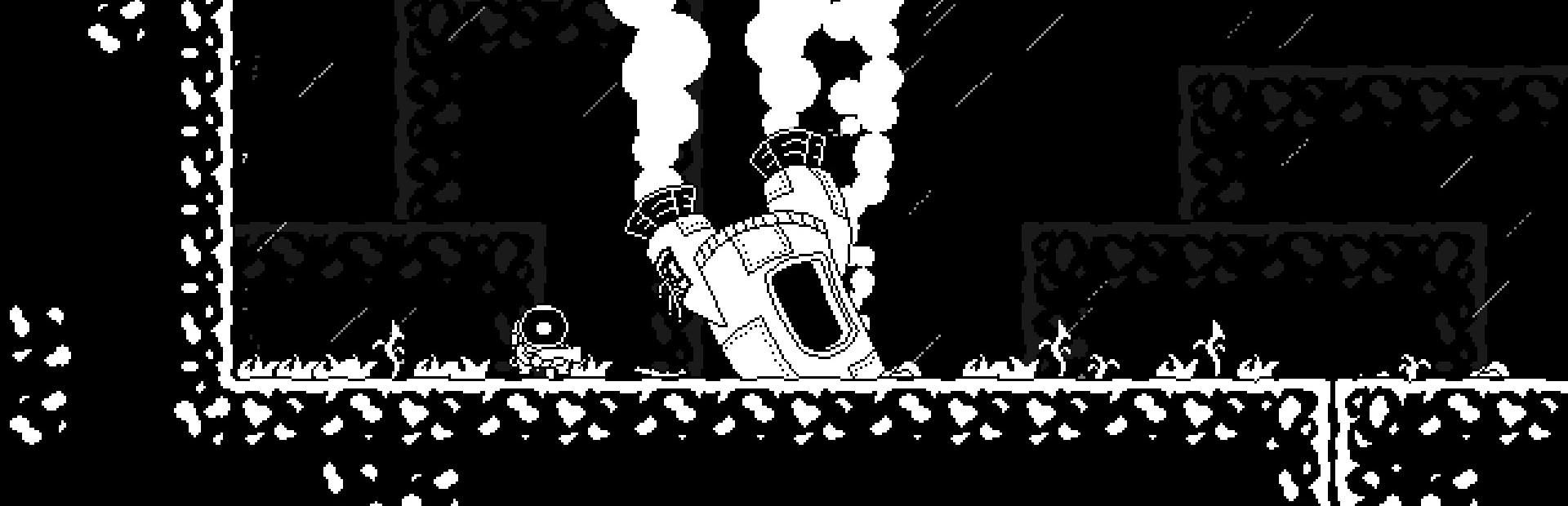
I have a soft spot for the kind of game that a single person builds over years, and Astronite is exactly that - a solo-developed, stark black-and-white metroidvania set on the alien planet of Neplea, assembled with a care that shows in every room layout and save-point placement. The visual hook is immediate: the whole thing is rendered in pure 1-bit monochrome, evoking those old ZX Spectrum screen grabs, down to floppy disk icons marking save rooms and retro telephone receivers standing in for teleportation terminals. It sounds like a novelty, but the aesthetic is committed all the way through, and zeeWave Sound's original soundtrack holds its own atmospheric weight against all that silence and black space. The core toolkit is deliberately minimal. You start with a jump, a jetpack, a dash, and a blaster - and promptly lose all of it within minutes of landing on Neplea. That gear-recovery arc is the backbone of the first act, and it works as a slow opening because reclaiming each ability genuinely shifts how the world feels to move through. Once your blaster is back in hand, you can start accumulating Shpirti, the currency dropped by defeated enemies. Die and you drop everything, exactly as any Souls-adjacent economy goes - and yes, the game is self-aware enough to have Astronite raise an eyebrow at the mechanic directly. Shops let you spend Shpirti on fire-rate and range upgrades for the gun, reduced jetpack recharge time, and improved dash functionality, so there is meaningful choice in how you spend your currency between runs. Where the game earns its reputation is in the boss fights. Each one has a distinct visual profile and a distinct rhythm to learn - the machine-gunning starship encounter that takes place atop a bridge is the kind of moment that stays with you. The platforming gauntlets between bosses are built around muscle memory: rooms reset on reload, challenges are designed to be beaten through repetition rather than randomness, and the mid-game sections involving saws, floating platforms, and spike-covered moving blocks carry a genuine old-school satisfaction when they finally click. There are also Echo Doors hidden throughout the map, optional high-difficulty challenges for players who want more than the main route offers. That said, there are real frustrations here that a fair review cannot smooth over. The blaster's shots drop off after a short range while enemy projectiles travel the full width of the screen, which creates an asymmetry that feels less intentional than it should. The 1-bit palette, beautiful as it is in motion, causes spikes and hazardous terrain to blend into backgrounds, and getting caught by an invisible hazard while navigating an already brutal corridor is the kind of thing that strains goodwill. The English dialogue carries noticeable typos and missing words throughout, a small thing that nonetheless chips away at immersion during NPC encounters. Upgrade rewards can also feel modest relative to the effort required to reach them, which makes the stretches between bosses feel long and thin at times. Completion runs sit around four to five hours at the lower end, with completionists pushing toward ten, so the game knows when to end - it just does not always make the journey feel proportionally rewarding. For genre veterans who want something that leans harder Metroid than Castlevania - no level grinding, no magic trees, just movement, positioning, and persistence - Astronite is a quietly confident little game. It does not chase the genre's current maximalist trend. It is handmade, it is hard, and it knows exactly what it is. That counts for something.

Indie & narrative
Etiquetas
Requisitos del sistema
Mínimos
- OS
- Windows XP or later
- DirectX
- Version 9.0
- Storage
- 100 MB available space
- Graphics
- 256 MB or higher
- Processor
- 1 GHz
- Sound Card
- any
Sigue explorando
Community Discussion
Be the first to comment on Astronite.
Reseñas y valoraciones
No hay valoraciones disponibles
Información del juego
- Desarrolladora
- Dume Games Studio
- Distribuidora
- JanduSoft
- Fecha de lanzamiento
- 30 nov 2022