
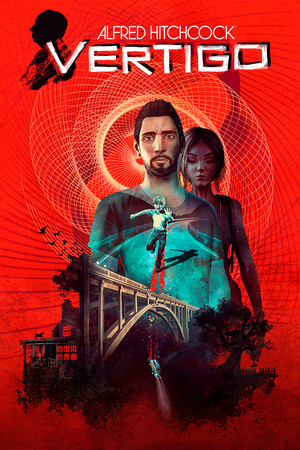
Alfred Hitchcock - Vertigo
A slow-burn psychological thriller that earns its twists, if you can stomach playing more as a witness than a decision-maker, Ed Miller's fractured mind is worth the roughly 10-hour ride.
Veredicto de GamerScout
Worth it for interactive-fiction fans who want atmosphere and story twists over mechanics, skip if player agency matters to you.
Comparar precios(6 tiendas)
Todas las tiendas de esta tabla nos dan el precio en euros, así que la cifra en EUR es el precio que fijó el vendedor, no un cálculo nuestro, y por eso EUR es también la moneda en la que calculamos el ranking. Solo incluimos aquí una oferta cuando la tienda nos da su precio en euros, de modo que ninguna cifra de esta tabla es inventada por nosotros.
Elige USD, PLN, GBP, CAD o AUD en la cabecera y convertimos desde EUR con el tipo de cambio de referencia del Banco Central Europeo — los importes convertidos llevan el prefijo ~. Tu banco o la tienda pueden aplicar un tipo distinto al pagar. Nunca ocultamos ofertas según dónde estés: todo el mundo ve esta tabla completa.
We may earn a commission when you buy games through links on this page — at no extra cost to you. It never affects our rankings or verdicts.
Historial de precios
Capturas y multimedia
Acerca de Alfred Hitchcock - Vertigo
My first impression of Alfred Hitchcock - Vertigo was that it looked like a budget Telltale game wearing a prestigious name badge. That first impression is only half wrong. Pendulo Studios, a Madrid-based adventure outfit with a history of point-and-click work, has made something genuinely odd here: a narrative game built almost entirely around the mechanic of unreliable memory. You play across three characters, writer Ed Miller, his psychiatrist Dr. Julia Lomas, and Sheriff Nick Reyes, piecing together the mystery of a car crash in Brody Canyon, California, in which Ed insists his wife and daughter were present despite no trace of them being found. The sessions with Dr. Lomas are the game's structural spine: Ed relives memories in interactive flashback sequences, and hypnosis is used to reveal a second, truer version of those same events. That dual-timeline mechanic, where you walk through a sanitised recollection and then watch it corrode under hypnosis, is genuinely clever and stands as the game's sharpest creative idea. In terms of actual player agency, though, keep expectations anchored. This is closer to an interactive novel than a traditional adventure game. Dialogue ordering is about the most consequential choice you make; QTEs break up the sessions without adding much tension; and the light environmental puzzles require so little thought they barely register. There is one ending. Your choices colour minor details, not outcomes. Pendulo deliberately stripped out the inventory-and-puzzle DNA of their older work in favour of something more cinematic, and the result sits in a strange middle ground, less interactive than a Telltale game, more hands-on than a pure visual novel. Players expecting to flex any detective-game muscle will come away frustrated. Where the game holds up is in its atmosphere and writing. The score pulls hard on Bernard Herrmann-adjacent strings, and the direction borrows Hitchcock's signature camera moves, including a dolly-zoom moment early on that actually lands. The story commits to dark subject matter, suicide, drug use, psychological trauma, manipulation, and most of the characters feel like real people with flawed motivations rather than thriller archetypes. The pacing is the bigger structural problem: the first half crawls, particularly the sections with Reyes and a childhood Ed where scene-searching drags on well past usefulness. The second half corrects course with meaningful revelations, and the final act delivers twists that actually earn their buildup. Stick with it. The technical side is rough around the edges. Lip animation is frequently disastrous, audio tracks occasionally clip over each other, voice performances swing between excellent and inexplicably flat, and ultrawide monitor users reported UI elements partially off-screen at launch. The art style, a slightly unreal cel-shaded look, helps mask some of the jank, but clothes clipping through character models in core cutscenes is hard to overlook. Reception at launch was split: critics averaged in the low 60s on OpenCritic, though Steam users have been notably warmer. It is not a technically polished game, and that gap between the quality of the writing and the quality of the execution is the central frustration. If you can reframe this as an atmospheric interactive thriller rather than a game you play, it works. The Hitchcock licensing turns out to be more than cosmetic, the team studied the source material carefully enough that the tone holds. But if you need meaningful choices, branching outcomes, or hands-on puzzle-solving to stay engaged, this is going to feel like a very pretty screensaver with occasionally impressive writing.

Catch-all
Etiquetas
Requisitos del sistema
Mínimos
- OS
- Windows 7 or later, 64-bit
- Memory
- 8 GB RAM
- DirectX
- Version 11
- Storage
- 22 GB available space
- Graphics
- Nvidia GTX 960 or AMD R9 285 2GB
- Processor
- Intel Core i5 (3GHz) 4º generation or equivalent
Recomendados
- OS
- Window 10 (64-bit OS required)
- Memory
- 16 GB RAM
- DirectX
- Version 12
- Storage
- 22 GB available space
- Graphics
- Nvidia GTX 1060 6GB or AMD Radeon RX 580
- Processor
- Intel i7 (9º gen) (>3GHz)
Sigue explorando
Community Discussion
Be the first to comment on Alfred Hitchcock - Vertigo.
Reseñas y valoraciones
No hay valoraciones disponibles
Información del juego
- Desarrolladora
- Pendulo Studios
- Distribuidora
- Microids
- Fecha de lanzamiento
- 16 dic 2021