Wildfrost
Cute art, cold-blooded difficulty: Wildfrost is the roguelike deckbuilder that will make you feel like a genius for twenty minutes and then remind you exactly why the sun froze over.
GamerScout Verdict
Ideal for deckbuilder veterans who want a genuinely fresh counter-based twist, but expect a steep learning cliff and limited run variety early on.
Compare Prices(6 stores)
Every store in this table quotes us in euros, so the EUR figure is the price the seller actually set, not our arithmetic — which is why EUR is also the currency we rank in. We only list an offer here when the store gives us its price in euros, so nothing in this table is a number we invented.
Pick USD, PLN, GBP, CAD or AUD in the header and we convert from EUR at the European Central Bank reference rate — converted amounts are prefixed with ~. Your bank or the store may apply a different rate at checkout. We never hide offers based on where you are: everyone sees this whole table.
We may earn a commission when you buy games through links on this page — at no extra cost to you. It never affects our rankings or verdicts.
Price History
Screenshots & Media
About Wildfrost
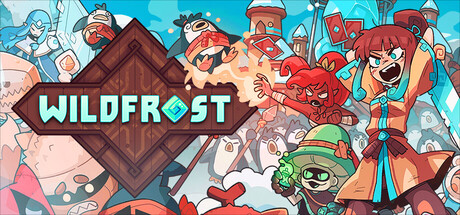
I went in expecting a cosy Slay the Spire reskin with a winter palette. What I got was a game that demanded I track simultaneous cooldown timers for every unit on both sides of the board, juggle card positioning like a lane-based miniature wargame, and accept that a single miscalculated play could dissolve a run I had been nursing for forty minutes. That is not a complaint. That is exactly what makes Wildfrost interesting. The central mechanical hook is the counter system. Every companion, every Clunker passive, and every enemy attack resolves on its own individual countdown rather than a shared turn order. A companion sitting at counter-5 fires once every five ticks; stack a Frenzy charm on a counter-2 unit and suddenly you have a very short-fused problem for enemies to deal with. The goal in any given fight is to keep your own plates spinning while resetting enemy counters through item cards, freezing effects, and careful board positioning. The information is all visible, the board is never cluttered, and when you lose it is almost always because of a miscalculation rather than a hidden rule. That is a design achievement. Where it gets thorny is everything outside of combat. Unlike most genre peers, Wildfrost does not let you preview upcoming fights before committing to a path. You pick from a fork of positive events and proceed blind, which means a freshly equipped Frenzy build can walk straight into a room full of Teeth enemies that punish every attack. Forced card additions from non-shop rewards also cannot be declined, so a tightly trimmed deck can get bloated against your will. These are real friction points, not imagined difficulty inflation. The roguelite persistence loop is built around Snowdwell, your starting village. Each run unlocks new cards, companions, and charms without making your hero permanently stronger, which keeps runs feeling fair even when you are a hundred hours in and the pool has expanded considerably. Charms are the best reason to keep experimenting: slotting up to three onto a single card, you can turn a low-counter Clunker into a win condition or strap a healing aura onto your leader to buy extra turns against a boss. The three-tribe leader selection at run start adds another layer of decision-making before you even leave the village gates. The Steam Workshop support also means community-made content can extend the card pool well past what ships in the base game, which partially addresses the criticism that twenty hours or so exhausts most of what is there. For experienced deckbuilder players, Wildfrost sits comfortably in the upper tier of the genre. The tutorial covers the counter system well enough that the first few runs feel guided rather than punishing, and the art style, think Adventure Time characters on a skiing holiday, makes the whole experience more approachable than its difficulty deserves. Newcomers to the genre, however, should be honest with themselves: this game will not hold your hand past the opening lessons, the binary win-or-lose battle structure has no persistent HP buffer to absorb mistakes, and the charm slot limit of three means early build decisions carry permanent weight. If your only deckbuilder experience is something casual, there are gentler entry points. But if you have cleared even a single Slay the Spire run and want mechanics that feel genuinely different from that formula, the counter system here will click in a way that nothing else on the market quite replicates.

Strategy & simulation
Tags
System Requirements
Minimum
- OS
- Windows 7/10/11
- Memory
- 4 GB RAM
- DirectX
- Version 10
- Storage
- 2 GB available space
- Graphics
- 2GB Dedicated GPU Memory
- Processor
- 4GHz
Keep exploring
Community Discussion
Be the first to comment on Wildfrost.
Reviews & Ratings
Game Info
- Developer
- Deadpan Games
- Publisher
- Chucklefish
- Release Date
- Apr 12, 2023