GamerScout Verdict
Worth it for RTS veterans who want a unique alignment-based build system, but go in expecting skirmish mode to carry the experience.
Compare Prices(0 stores)
Loading prices...
We may earn a commission when you buy games through links on this page — at no extra cost to you. It never affects our rankings or verdicts.
Price History
Screenshots & Media
About Warrior Kings
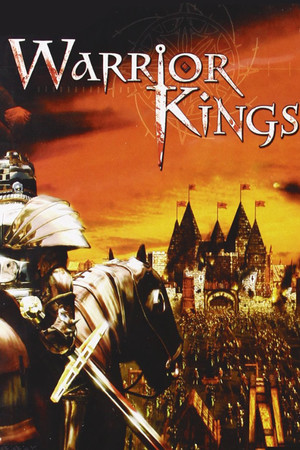
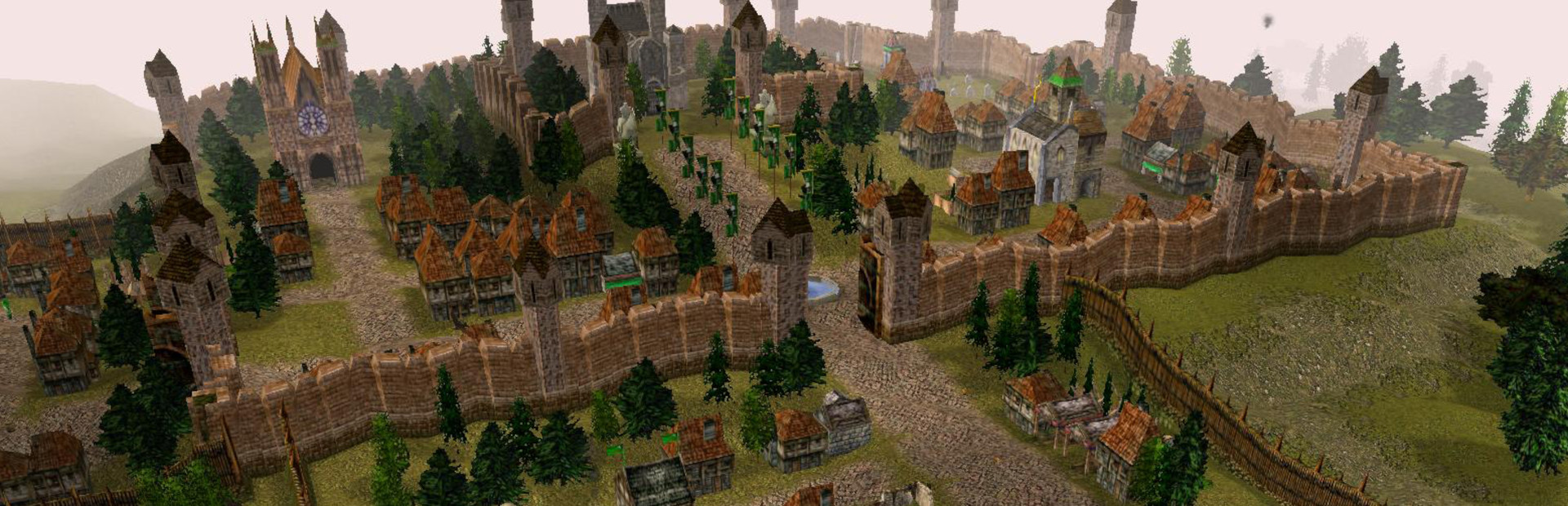
My spreadsheet instincts lit up the moment I understood what Warrior Kings was actually doing with its alignment system. You do not pick a faction at the start of a match. Instead, every building you place nudges you down one of three paths: the armored theocracy of the Imperials, the demon-summoning swarm tactics of the Pagans, or the gunpowder-and-siege-engine pragmatism of the Renaissance. Build a church early and you are sliding toward Inquisitors and Acts of God. Plant a maypole and Abaddon waits for you at the end of the tech tree. The decision is baked into your build order before you have consciously made it, which is genuinely clever design that still holds up decades later. The three alignments play very differently on the field. Imperial armies lean on heavily armored infantry, strong fortifications, and clergy units that can rain divine punishment on enemy formations. Pagans run cheaper, faster units in mass, supplemented by witches, druids, and eventually the summoned demon Abaddon. The Renaissance trades supernatural muscle entirely for trebuchets, mangonels, cannons, and primitive rocket launchers, compensating with the best economy and siegecraft in the game. Two hybrid paths, Imperial-Renaissance and Pagan-Renaissance, add further permutations that genuinely change how a match develops. For an RTS from this era, the faction depth is impressive and the replay incentive in skirmish is real. Here is where the numbers stop being kind. The economy runs through a multi-step logistics chain: peasants gather food, wood, stone, and gold, bring resources to a village, and a cart then transports stockpiles to your manor or warehouse before they count toward your coffers. That cart is a raid target, which is a thoughtful design touch, but the friction it adds to early-game buildup is severe. Rushing is almost pointless because only siege weapons deal meaningful damage to structures, so every match pushes toward a patient, late-game confrontation. Pathfinding is the other chronic problem: units drift off waypoints, cavalry regiments spiral aimlessly, and the AI in the original game was widely criticized for sending enemies charging in straight lines that any archer formation could exploit. The campaign is the weakest part of the package and buyers should go in knowing that. Many missions front-load scripted scenarios and fixed unit pools rather than letting you build and experiment freely. The tutorial also does a poor job of explaining the dynamic tech tree, meaning first-timers will likely have to read external documentation to understand why their build order locked them out of units they wanted. None of that is fatal for patient strategy players willing to treat the skirmish mode as the real game. Skirmish and Valhalla mode, where pre-selected armies fight over flag capture points, are where the faction mechanics actually breathe. The mod community on ModDB has produced patches addressing bugs and AI balance, and a small but dedicated player base keeps the game alive for those who know where to look. Warrior Kings was developed by Black Cactus, a studio that closed in 2005, so no official post-launch support exists and you are buying a game frozen in time.

Strategy & simulation
Tags
System Requirements
Minimum
- OS
- Windows 98/2000/ME/XP
- Memory
- 128 MB RAM
- DirectX
- Version 8.1
- Storage
- 800 MB available space
- Graphics
- 16MB 3D card
- Processor
- 733MHz
Keep exploring
Community Discussion
Be the first to comment on Warrior Kings.
Reviews & Ratings
Game Info
- Developer
- Black Cactus
- Publisher
- Strategy First
- Release Date
- Apr 24, 2014