Walden, a game
A six-hour meditation in the 1845 woods that asks whether a video game can actually slow you down. Worth it if you let it.
GamerScout Verdict
Worth it for Thoreau fans and slow-play seekers; everyone else should read the Wikipedia page first and decide honestly.
Compare Prices(5 stores)
Every store in this table quotes us in euros, so the EUR figure is the price the seller actually set, not our arithmetic — which is why EUR is also the currency we rank in. We only list an offer here when the store gives us its price in euros, so nothing in this table is a number we invented.
Pick USD, PLN, GBP, CAD or AUD in the header and we convert from EUR at the European Central Bank reference rate — converted amounts are prefixed with ~. Your bank or the store may apply a different rate at checkout. We never hide offers based on where you are: everyone sees this whole table.
We may earn a commission when you buy games through links on this page — at no extra cost to you. It never affects our rankings or verdicts.
Price History
Screenshots & Media
About Walden, a game
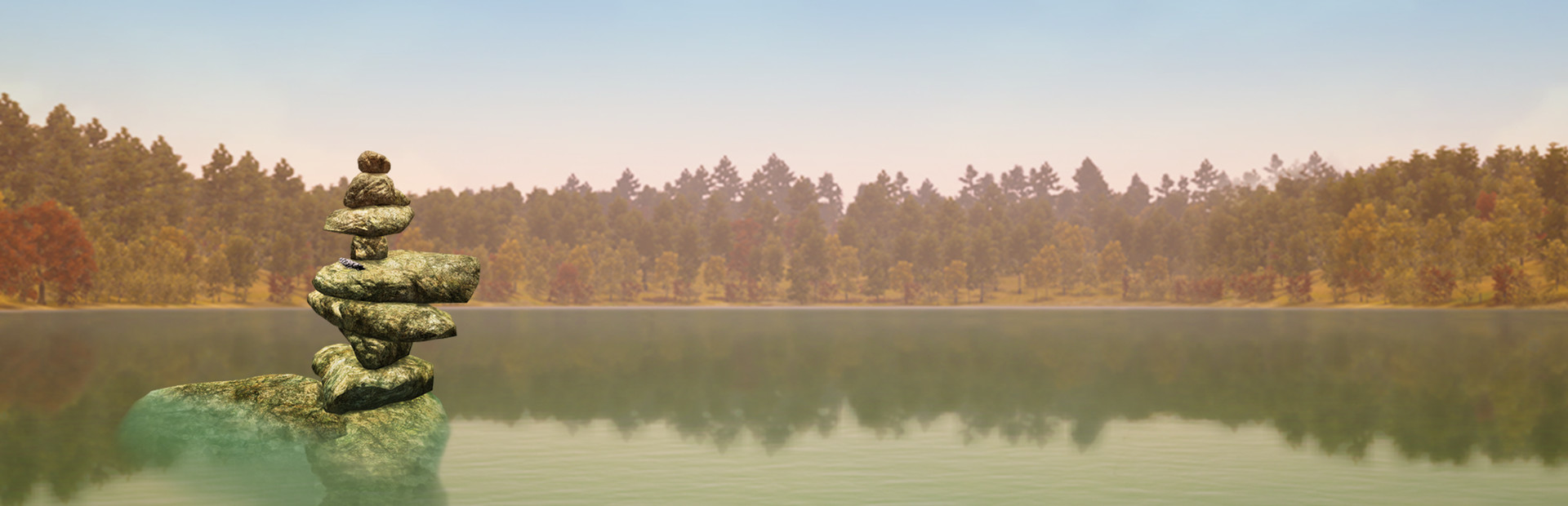
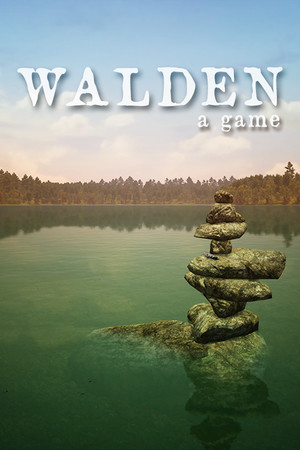
My first few minutes at Walden Pond did something almost no game manages: they made me stop moving. Not because I was stuck, but because the design quietly insists you have nowhere urgent to be. That is either the most compelling pitch in indie gaming or an instant red flag, depending on who you are. I want to make sure you know which camp you fall into before you load this up. Walden, a game is a first-person open-world adventure built around a decade of research at the USC Game Innovation Lab, led by designer Tracy Fullerton. You step into the shoes of Henry David Thoreau on his first summer day at Walden Pond in 1845. The loop sounds simple because it is: tend to the four "necessaries of life" that Thoreau himself named in the book, meaning food, fuel, shelter, and clothing, and keep those survival meters from running dry. You fish in a still pond, tend a bean field, forage for berries, hammer nails on your unfinished cabin, and end each night writing in a journal. The mini-games are minimal by design, closer to deliberate gestures than challenges. If you neglect survival too long you will faint from exhaustion, but the game never makes this genuinely punishing. It wants you elsewhere: hunting arrowheads scattered through the woods that unlock passages from Thoreau's writing, finding stone cairns that mark places of solitude, and collecting books for Ralph Waldo Emerson. There is even a surveying side-task, and Sophia Thoreau's gift baskets hidden around the pond. The activities exist less as gameplay systems and more as reasons to keep walking deeper into the trees. The mechanic I find most beautiful is the inspiration meter. When it is full, the colors of the woods become richer and the soundscape sharpens. Let it fall and the world goes literally duller. The audio, composed by Michael Sweet of Berklee College of Music and recorded live there, never loops in any way that feels mechanical. Bird calls, a distant train whistle, church bells from Concord heard at the edge of the treeline: these are sounds that were recorded on-site by the development team, and they carry real weight. Emile Hirsch voices Thoreau, and hearing the actual prose read aloud as you discover arrowheads or observe animals adds a layer that a page simply cannot reproduce. The criticisms are fair and you should hear them plainly. The seasonal loop does not change the core activities much beyond aesthetics. Stamina and walking speed are deliberately sluggish, and some reviewers found the space between meaningful moments exhausting rather than meditative. The visuals sit somewhere in an early-2000s register that will read as dated to players expecting modern environmental fidelity. The whole experience clocks in around six hours, and if you came looking for branching decisions, fail states, or systemic depth, you will feel the absence of those things immediately. This is closer to a walking simulator with light survival dressing than a survival game with a literary soul, and there is no pretending otherwise. Who should play it: anyone who has read the source text and wants to inhabit it rather than just remember it; anyone burned out on games that demand reaction speed; anyone who finds Dear Esther or Firewatch too passive and wants something that at least gives their hands a small task while the world talks to them. The Steam community response sits at a warm majority positive, and the game has collected festival recognition from IndieCade, Sheffield Doc Fest, and the World Economic Forum's Davos Betazone, which tells you it resonated somewhere beyond the usual gaming audience. It earned that recognition. But it earned it by being a very specific, intentional, unhurried artifact. Respect that going in and it will hold you. Expect a game to compete with, and it will frustrate you in a way no amount of birdsong will fix.

Indie & narrative
Tags
System Requirements
Minimum
- OS
- 7 / 8 / 10
- Memory
- 8 GB RAM
- DirectX
- Version 11
- Storage
- 2 GB available space
- Graphics
- 1024 MB NVidia or ATI graphics card
- Processor
- 2.4 GHz
Keep exploring
Community Discussion
Be the first to comment on Walden, a game.
Reviews & Ratings
No ratings available
Game Info
- Developer
- USC Game Innovation Lab
- Publisher
- USC Games
- Release Date
- Mar 18, 2019