
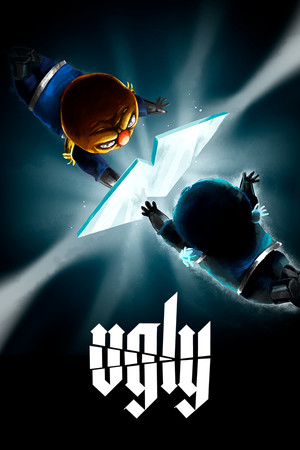
Ugly
A dark fairy tale platformer with a one-of-a-kind mirror mechanic that doubles as both puzzle tool and psychological metaphor. Worth your evening if quiet, handcrafted grief is your kind of genre.
GamerScout Verdict
Ideal for narrative-platformer fans who can stomach heavy themes and a boss difficulty spike in an otherwise exquisite short game.
Compare Prices(10 stores)
Every store in this table quotes us in euros, so the EUR figure is the price the seller actually set, not our arithmetic — which is why EUR is also the currency we rank in. We only list an offer here when the store gives us its price in euros, so nothing in this table is a number we invented.
Pick USD, PLN, GBP, CAD or AUD in the header and we convert from EUR at the European Central Bank reference rate — converted amounts are prefixed with ~. Your bank or the store may apply a different rate at checkout. We never hide offers based on where you are: everyone sees this whole table.
We may earn a commission when you buy games through links on this page — at no extra cost to you. It never affects our rankings or verdicts.
Price History
Screenshots & Media
About Ugly
My first hour with Ugly felt like finding a small, handmade book pressed between two bigger, louder titles on a shelf. The game opens on a big-nosed nobleman waking among empty wine bottles in a crumbling castle, and before a single word of dialogue has been spoken, you already feel the weight of a life poorly lived. That wordless opening is not laziness; it is a commitment. Every piece of story in Ugly arrives through interactive memory fragments, crayon-sketch flashbacks, and environmental details so considered that even the paintings lining the palace walls become confessions. The core mechanic is the reason to come and the reason to stay. You find a mirror shard early on, and from that point you can project a reflection of yourself onto either a horizontal or vertical axis. The copy mirrors your movements on the opposite side of that plane, phases through walls and floors, and can be swapped with your physical body at any time. Placing the mirror below you lets you float a ghostly double up to an otherwise unreachable ledge, then swap and grab the key before gravity has the final word. Paint splattered across certain surfaces blocks the swap, forcing you to scout a clean patch of wall. Glass shards on the floor distort the reflection geometry and become improvised platforms. The puzzle rooms layer these wrinkles incrementally and with real care, and the developers intentionally designed most rooms to have more than one valid solution, so two people playing through the same corridor may never find the same path. At roughly five to six hours of intended runtime, the game knows exactly when to end. The art direction is the work of a team that clearly cared more about what each room communicated than whether it would screenshot well for a trailer. The style sits somewhere between classical illustration and old hand-drawn animation, and the environments carry a specific kind of melancholy that is difficult to manufacture. A mural in the main hall tracks your progress like a living map. The score is gloomy and chamber-small, the kind of music that stays in the corner of a room rather than filling it, which is exactly right for what the story is doing. Comparisons to Braid get made frequently in the community, and they are fair in the sense that both games ask you to rewire how you think about space and movement. Ugly is less obsessive about precision, more interested in mood. The rough patches are real and worth naming. Boss fights interrupt the contemplative pace with platforming sequences that demand reflex timing the rest of the game never trains you for. The final boss in particular sits at the far edge of patience, long enough to feel disconnected from the gentler puzzle flow that precedes it. The room-reset mechanic, where the protagonist drinks from a flask and collapses to restart, is narratively clever and thematically resonant, but it means losing any collected keys for that room and starting entirely fresh, which stings during the more demanding combat sequences. Cutscenes involving the nobleman's recovered memories also carry genuinely disturbing content, including implied abuse and nonconsensual acts; the game opens with a quiet self-care prompt, and that warning is sincere. For players who want a small, finished, beautifully intentional thing from a studio that had every reason not to finish it, Ugly delivers something rare. It is not a game that inflates itself. It tells one dark fairy tale, frames it through a mechanic that earns its metaphor, and then lets you sit with the ending.

Indie & narrative
Tags
System Requirements
Minimum
- OS
- Windows 10
- Memory
- 4 GB RAM
- Storage
- 11 GB available space
- Graphics
- DirectX 10, 11, or 12 compatible card
- Processor
- Requires a 64-bit, Dual Core 3.0GHz processor
Recommended
- OS
- Windows 10 or 11
- Memory
- 8 GB RAM
- DirectX
- Version 11
- Storage
- 11 GB available space
- Graphics
- Nvidia GeForce 700 series or greater
- Processor
- Dual Core Intel i5 and above
Keep exploring
Community Discussion
Be the first to comment on Ugly.
Reviews & Ratings
No ratings available
Game Info
- Developer
- Team Ugly
- Publisher
- Graffiti Games
- Release Date
- Sep 13, 2023