
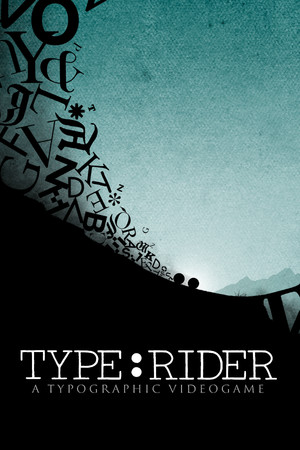
Type:Rider
Rolling a colon through the entire history of written language sounds absurd. Somehow Ex Nihilo made it one of the most quietly beautiful platformers of the last decade.
GamerScout Verdict
Worth picking up for design-curious players who value atmosphere and craft over mechanical challenge or replay depth.
Compare Prices(8 stores)
Every store in this table quotes us in euros, so the EUR figure is the price the seller actually set, not our arithmetic — which is why EUR is also the currency we rank in. We only list an offer here when the store gives us its price in euros, so nothing in this table is a number we invented.
Pick USD, PLN, GBP, CAD or AUD in the header and we convert from EUR at the European Central Bank reference rate — converted amounts are prefixed with ~. Your bank or the store may apply a different rate at checkout. We never hide offers based on where you are: everyone sees this whole table.
We may earn a commission when you buy games through links on this page — at no extra cost to you. It never affects our rankings or verdicts.
Price History
Screenshots & Media
About Type:Rider
I did not expect to spend an evening completely absorbed in the history of Garamond. That is the quiet magic of Type:Rider, a momentum-based puzzle platformer from Ex Nihilo and ARTE France where your character is a typographical colon, two connected dots, rolling and jumping across levels built from the letterforms themselves. It is the kind of game that sounds like a design school experiment and plays like something that genuinely cares about you finishing it. The structure is ten worlds, each themed around a typeface and the era it emerged from. You begin in raw prehistory, cave paintings and hieroglyphs giving way to Gothic script, then Garamond, Baskerville, Didot, Clarendon, Futura, Helvetica, Times New Roman, and finally the Pixel world of the digital age. Every stage is designed to embody the visual DNA of its font: the Clarendon chapter rides a Wild West railway, Futura gets a cool retro-geometric palette, Didot leans into art world grandeur, and the Pixel level folds in mini-recreations of Breakout and Tetris as actual obstacles to solve. That kind of layered, thematic craft is exactly the thing I look for in small indie titles, and Type:Rider has it in abundance. Collecting asterisks scattered through each stage unlocks pages in an in-game book detailing the history and context of each typeface, and there is a hidden ampersand in every level for completionists who want to stray off the main path. The soundtrack shifts register with the same attentiveness as the visuals, with each era getting music that genuinely fits its mood, from something spare and ancient to a Gothic-tinged orchestral swell to authentic retro chip sound in the Pixel chapter. The platforming itself is physics-driven and momentum-dependent in ways that take some adjustment. The two dots behave like the wheels of a weightless motorbike: rolling builds speed, and gaps between giant letterform platforms require you to commit to a run-up or you will fall short. Checkpoints are generous enough that the friction rarely becomes punishing, though the later levels push the balancing mechanic harder than the early game prepares you for, and a handful of sections can feel repetitive under trial-and-error. Controls are occasionally imprecise in tight quarters, a criticism that has followed the game across every platform it has shipped on. There is also a minor irony worth flagging: for a game built around the beauty of written language, the unlockable text pages reportedly contain some typos and translation roughness that blunt the educational side. It is a small thing but noticeable precisely because the rest of the presentation is so intentional. The bigger question for a prospective buyer is length. You can see the credits in two to three hours on a relaxed first run, maybe a little longer if you collect everything. For a game this focused and this atmospherically coherent, that feels right rather than thin, but there is limited incentive to return once you have cleared it. Type:Rider knows exactly what it wants to be and ends when it should. The Pixel stage in particular, with its love letter to early computing folded into genuine puzzle design, is the kind of level that stays with you. It won the award for Artistic Consistency at the 2013 European Indie Game Days, and that framing is accurate: this is a game where every element is in conversation with every other element, and that coherence is rarer than it should be. If you are the kind of player who appreciates handcrafted visual design, a soundtrack that earns its atmosphere, and the low-stakes pleasure of learning something real while you play, Type:Rider is an easy recommendation. If you are here purely for platforming challenge or replayability, it will feel slight.

Indie & narrative
Tags
System Requirements
Minimum
- OS
- Windows XP
- Memory
- 2 GB RAM
- DirectX
- Version 9.0
- Network
- Broadband Internet connection
- Storage
- 500 MB available space
- Graphics
- 3D accelerated
- Processor
- Core 2 Duo
- Sound Card
- Compatible SB16
Recommended
- OS
- Windows 7
- Memory
- 4 GB RAM
- DirectX
- Version 9.0
- Network
- Broadband Internet connection
- Storage
- 500 MB available space
- Graphics
- 3D accelerated
- Processor
- Core i5
- Sound Card
- Compatible SB16
Keep exploring
Community Discussion
Be the first to comment on Type:Rider.
Reviews & Ratings
No ratings available
Game Info
- Developer
- Ex Nihilo
- Publisher
- ARTE France
- Release Date
- Nov 6, 2013