
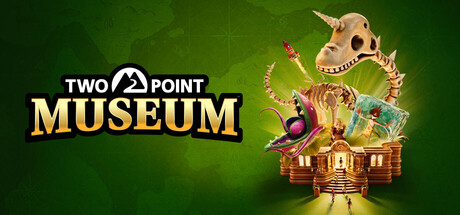
Two Point Museum
Forget spreadsheets full of hospital wards: Two Point Museum hands you five wildly different institutions to curate, and the expedition system alone will cost you more hours than you planned to spend.
GamerScout Verdict
The strongest entry in the Two Point series and the right starting point for management-sim newcomers willing to invest in the expedition meta.
Compare Prices(8 stores)
Every store in this table quotes us in euros, so the EUR figure is the price the seller actually set, not our arithmetic — which is why EUR is also the currency we rank in. We only list an offer here when the store gives us its price in euros, so nothing in this table is a number we invented.
Pick USD, PLN, GBP, CAD or AUD in the header and we convert from EUR at the European Central Bank reference rate — converted amounts are prefixed with ~. Your bank or the store may apply a different rate at checkout. We never hide offers based on where you are: everyone sees this whole table.
We may earn a commission when you buy games through links on this page — at no extra cost to you. It never affects our rankings or verdicts.
Price History
Screenshots & Media
About Two Point Museum
I went in expecting a reskin of Two Point Hospital with fossils. What I got instead was the most mechanically layered entry the series has produced, and the one I kept tabbing back to long after I should have stopped. The core loop sounds simple enough: design your museum floor plan, hire staff across four roles (experts, assistants, janitors, security guards), and pull in enough donations to keep the lights on. What the game does not tell you upfront is that acquiring exhibits has nothing to do with a shop menu. Instead, you dispatch expedition teams to thematic maps, each one working like a light roguelite procurement run. Expedition outcomes hinge on the skill loadouts of whoever you send: an expert with maxed Survey Skills and a Pilot Wings janitor covering helicopter maintenance will return with pristine-quality artifacts, while an under-prepared team comes back empty-handed or, in the Netherworld map, simply missing. The expedition layer is where the decision-making actually gets interesting from a systems perspective. Each staff member carries a skill tree that branches between in-museum duties and field work, so every hire is a quiet allocation problem. Do you train your expert in Tour Guide to milk guided-tour revenue, or front-load them with Survival Skills to unlock higher-tier expedition points of interest? The community has already built detailed staff-composition guides for each map, which tells you everything about the depth players have found here. Progression threads through a Curator Class system that aggregates star ratings across all five campaign museums, nudging you to rotate between locations rather than park permanently in one. That forced rotation turns out to be well-designed: returning to Memento Mile after unlocking mechanics from a later museum feels like remodelling a house with better tools, not retreading old ground. For newcomers to the genre, Two Point Museum is genuinely the right entry point. The campaign introduces mechanics at a pace that avoids the tutorial-paralysis that made Two Point Campus occasionally rough on first-time players. Each of the five locations has a distinct theme and rule set: prehistoric fossils at Memento Mile, fish breeding and aquarium balancing at Passwater Cove, cursed spirits that break out and terrorise guests at Wailon Lodge, science machinery at Bungal Wasteland, and a fifth that mixes them all together. Exhibit types carry unique maintenance demands, and mixing themes inside one museum is encouraged rather than penalised, so floor planning becomes a genuine puzzle of traffic flow, donation-stand placement, and exhibit buzz optimisation. The new custom wall and partition tools let you funnel guests through deliberate routes, which adds a meaningful spatial-planning dimension that previous entries lacked. The criticism worth flagging is a mild one: sandbox mode front-loads everything at once, which is genuinely overwhelming without campaign knowledge behind you. A few late-game menus can get cluttered, and there are stretches during longer expeditions where you are essentially waiting for a timer to resolve. Neither of these is a dealbreaker, but players who dislike passive downtime in management sims will notice the lulls. The absurdist humour, radio banter that references past Two Point games without growing stale, and the gacha-style rarity system for exhibit quality all work in the game's favour for sustained play. Workshop support with Steam integration and solid controller handling round out a package that holds up across very long sessions. At an 84 on Metacritic from a broad reviewer pool, the consensus matches what the systems actually deliver.

Strategy & simulation
Tags
System Requirements
Minimum
- OS
- Windows 10 version 21H1 (build 19043) or newer
- Memory
- 6 GB RAM
- DirectX
- Version 11
- Storage
- 8 GB available space
- Graphics
- Nvidia GeForce GT 1030 (2 GB) or AMD Radeon RX 560 (2 GB) or Intel UHD Graphics 630
- Processor
- Intel Core i3-8100 or Ryzen 5 1400
Recommended
- OS
- Windows 10 version 21H1 (build 19043) or newer
- Memory
- 8 GB RAM
- DirectX
- Version 11
- Storage
- 8 GB available space
- Graphics
- Nvidia GeForce GTX 1070 (8 GB) or AMD Radeon RX 5600 XT (6 GB) or Intel Arc A750 (8 GB)
- Processor
- Intel Core i5-11600 or AMD Ryzen 5 5600
DLC & Add-ons for Two Point Museum5
Expansions, DLC packs and add-on content for this game. Click any item to see store offers.

Keep exploring
Community Discussion
Be the first to comment on Two Point Museum.
Reviews & Ratings
Game Info
- Developer
- Two Point Studios
- Publisher
- SEGA
- Release Date
- Mar 4, 2025