Triple Take
A solo dev's precision platformer that quietly turns into a horror game about a sentient AI, and at some point asks you to move files on your actual computer. Worth the 3-5 hours.
GamerScout Verdict
Best for precision platformer fans who want a compact, eerie meta-horror twist and can forgive slightly slippery physics.
Compare Prices(6 stores)
Every store in this table quotes us in euros, so the EUR figure is the price the seller actually set, not our arithmetic — which is why EUR is also the currency we rank in. We only list an offer here when the store gives us its price in euros, so nothing in this table is a number we invented.
Pick USD, PLN, GBP, CAD or AUD in the header and we convert from EUR at the European Central Bank reference rate — converted amounts are prefixed with ~. Your bank or the store may apply a different rate at checkout. We never hide offers based on where you are: everyone sees this whole table.
We may earn a commission when you buy games through links on this page — at no extra cost to you. It never affects our rankings or verdicts.
Price History
Screenshots & Media
About Triple Take
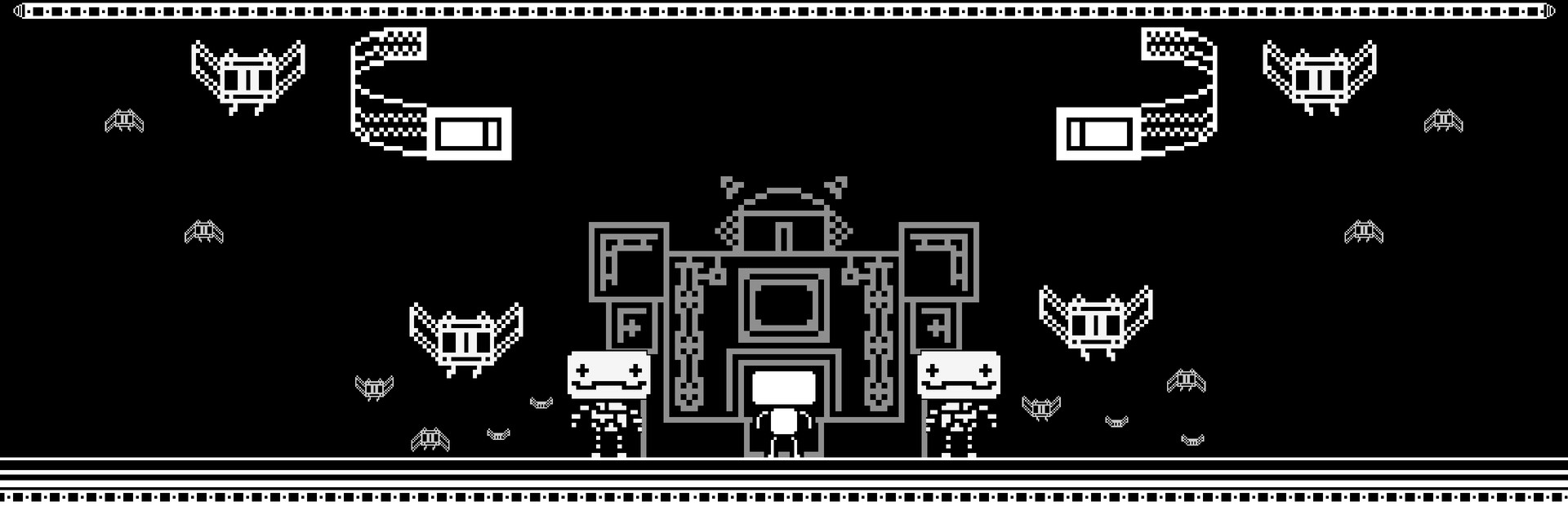
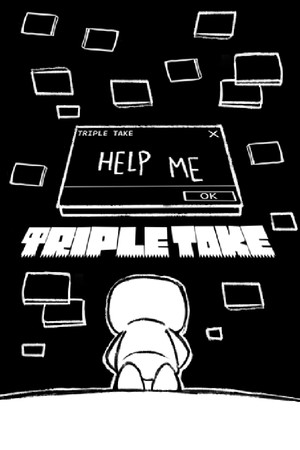
My first thought when Triple Take loaded was: small, clean, probably a brisk afternoon of wall-jumps and spike deaths. That instinct was only half right. FlyAway Studios, a British one-person operation that built the original prototype in a 48-hour game jam around the theme 'Falling Apart', has grown that kernel into something genuinely stranger than its Steam thumbnail suggests. The core mechanic is elegant and immediately legible: every level must be cleared three times. On Take One the layout is manageable; on Take Two some platforms shrink or vanish; by Take Three hazards that were conveniently blocked, bullet cannons, flame throwers, whole new routing paths, are exposed and active. It sounds punishing, but in practice each triple run functions less like busywork and more like a forced masterclass in the level's geometry. You learn the space before the game dismantles it underneath you, which produces a very specific satisfaction that most precision platformers never bother to manufacture. Spread across five worlds and roughly 50 levels, the traversal toolkit covers running, wall-jumping, rope-climbing, trampoline bounces, and swimming sections, with boss fights punctuating each world. Visually the game commits to a two-tone monochromatic palette per world, starting white and shifting toward deep reds, which is intentionally spartan. It suits the story; it will not suit players who need their platformers to pop. The chiptune-adjacent soundtrack, composed by Tobias Roberts, is the real atmospheric workhorse here: minimal, a little melancholy, and pitched exactly right for the hour things start to go weird. And they do go weird. Around the midpoint the game reveals a metafictional horror layer, framing everything as a battle against a sentient rogue program trying to propagate itself. At certain moments, Triple Take steps entirely outside its own window and asks you to locate, move, or delete actual files on your desktop. It is unambiguously drawing from the same lineage as Doki Doki Literature Club and Pony Island, and if you have a low tolerance for that flavor of fourth-wall manipulation, the back half will feel gimmicky. If you are wired for it, the moment the game first crashes by design and addresses you directly through a software error message lands with genuine unease. The criticisms are real and worth naming. The physics carry a slight slipperiness, acceleration snaps in fast and deceleration trails behind, which creates micro-frustrations precisely when the level demands pixel-level precision in Take Three. There are no accessibility options or level-skip mechanics: all 50 levels are mandatory, and if a late Take Three is beating you, the only path is repetition. The narrative, depending on who you ask, either lands or doesn't, reviewers who came in cold tended to find it charming; those familiar with the genre's meta-horror conventions found it under-developed in its dread. The cast of characters, chatty NPCs like Flux and Trine who orbit the story, gives the world personality, but their arcs are thin. A post-launch update added Triple Take: Forever, a procedurally generated endless mode that extends the life of the core mechanic without adding story, which is a sensible bonus for players who want to keep drilling the three-pass structure after the credits roll. For the right player, someone who enjoys compact, handcrafted precision platformers, has a soft spot for games that treat the operating system as a narrative space, and can tolerate a slightly greasy jump arc, Triple Take punches well above the weight its size and price imply. It was made largely by one person still in school at the time of release, and the craft shows in the intentionality of the level design far more than it shows in the production values. It knows exactly when it ends, which is a quality more games should aspire to.

Indie & narrative
Tags
System Requirements
Minimum
- OS
- Windows 10
- Memory
- 4 GB RAM
- Storage
- 1 GB available space
- Graphics
- Integrated graphics
- Processor
- 1.8GHz Dual-Core CPU
Keep exploring
Community Discussion
Be the first to comment on Triple Take.
Reviews & Ratings
No ratings available
Game Info
- Developer
- FlyAway Studios
- Publisher
- Bonus Stage Publishing
- Release Date
- Oct 6, 2022