Trip to Vinelands
Survive 100 screens of spike walls and rotating blades with no weapons, no health bar, one wrong step away from starting over. Walter Machado's pocket-sized fever dream earns its cult following.
GamerScout Verdict
Essential for fans of brutal one-screen arcade games; too bare-bones for players who need progression systems to stay engaged.
Compare Prices(5 stores)
Every store in this table quotes us in euros, so the EUR figure is the price the seller actually set, not our arithmetic — which is why EUR is also the currency we rank in. We only list an offer here when the store gives us its price in euros, so nothing in this table is a number we invented.
Pick USD, PLN, GBP, CAD or AUD in the header and we convert from EUR at the European Central Bank reference rate — converted amounts are prefixed with ~. Your bank or the store may apply a different rate at checkout. We never hide offers based on where you are: everyone sees this whole table.
We may earn a commission when you buy games through links on this page — at no extra cost to you. It never affects our rankings or verdicts.
Price History
Screenshots & Media
About Trip to Vinelands
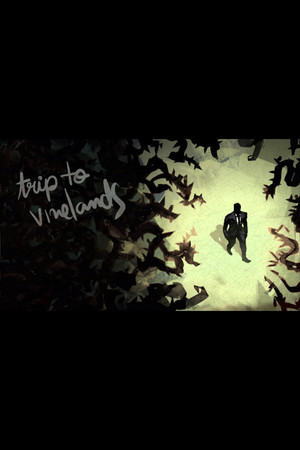
I keep coming back to the one-person games that ask almost nothing of your time but somehow linger in your memory for months. Trip to Vinelands is exactly that kind of game. Walter Machado built the whole thing alone, scored it alone, and in doing so created something that feels genuinely unlike anything else on the platform. The premise is stripped to bone: guide a formally dressed figure across a series of screens, reach the safe edge, do not touch anything. There are no weapons, no power-ups, no health points to absorb a mistake. Contact with any obstacle sends you back to screen one of a 100-level run, no checkpoint mercy. The obstacle vocabulary is mean but readable. Moving spike walls advance from the sides. Rotating blades sweep fixed paths. At each new screen the smart play is to stop completely, read the obstacle patterns, and only then commit to a line through them. Rush it and you die immediately, which most players do, repeatedly, until the instinct to pause before moving becomes second nature. That forced moment of quiet assessment before each burst of movement gives the game an odd, almost meditative rhythm underneath all the tension. The procedurally shuffled level order means repeat runs never feel identical, even if the obstacle types themselves are finite. Controls are tight and the pixel readability is good: the suited protagonist stays visible against the alternating reddish and greenish screen palettes, and the thorny brambles and blades never blend into the background. Where Machado earns the most genuine praise is the soundtrack. He composed it himself, and it is the secret structural material holding the experience together. The music shifts slightly when you clear a screen, giving each small success its own small ceremony. Players who bounce off the difficulty often report that the audio alone kept them attempting one more run. The sound design layers wood cracks and metallic scrapes underneath, which quietly reinforces the game's loose thematic idea, described by Machado himself as representing organic and inorganic life hazards in something like a fever dream. The narrative is almost entirely implied, carried through menu art, the opening splash, and the ending. It rewards curiosity but demands nothing from players who just want the arcade loop. The honest criticisms are real but proportionate. The color palette in this first entry is narrower than the sequels that followed (TTV2, TTV3, TTV4 all exist if you want more). The achievement list is relatively thin; players who enjoy speed-challenge trophies will find it ends sooner than they would like. Backgrounds can start to blur together across a long run. None of these are dealbreakers at this price tier and runtime, but they are worth knowing before you sit down expecting the visual variety of a bigger indie production. For the player this is aimed at, those who loved brutal arcade quarter-eaters in the 1980s, or anyone searching for a short game that knows its own shape and commits to it without apology, Trip to Vinelands is a quietly satisfying find. It does not waste your time with tutorials or bloated UI. It asks you to read a screen, move, and survive. That it manages to feel thematically coherent and sonically distinctive while doing so is the work of a solo creator who genuinely cares about craft.

Indie & narrative
Tags
System Requirements
Minimum
- OS
- Windows XP
- Memory
- 4 GB RAM
- Storage
- 250 MB available space
- Graphics
- 1GB
- Processor
- 2.0Ghz+
Keep exploring
Community Discussion
Be the first to comment on Trip to Vinelands.
Reviews & Ratings
No ratings available
Game Info
- Developer
- Walter Machado
- Publisher
- Walter Machado
- Release Date
- Oct 21, 2016