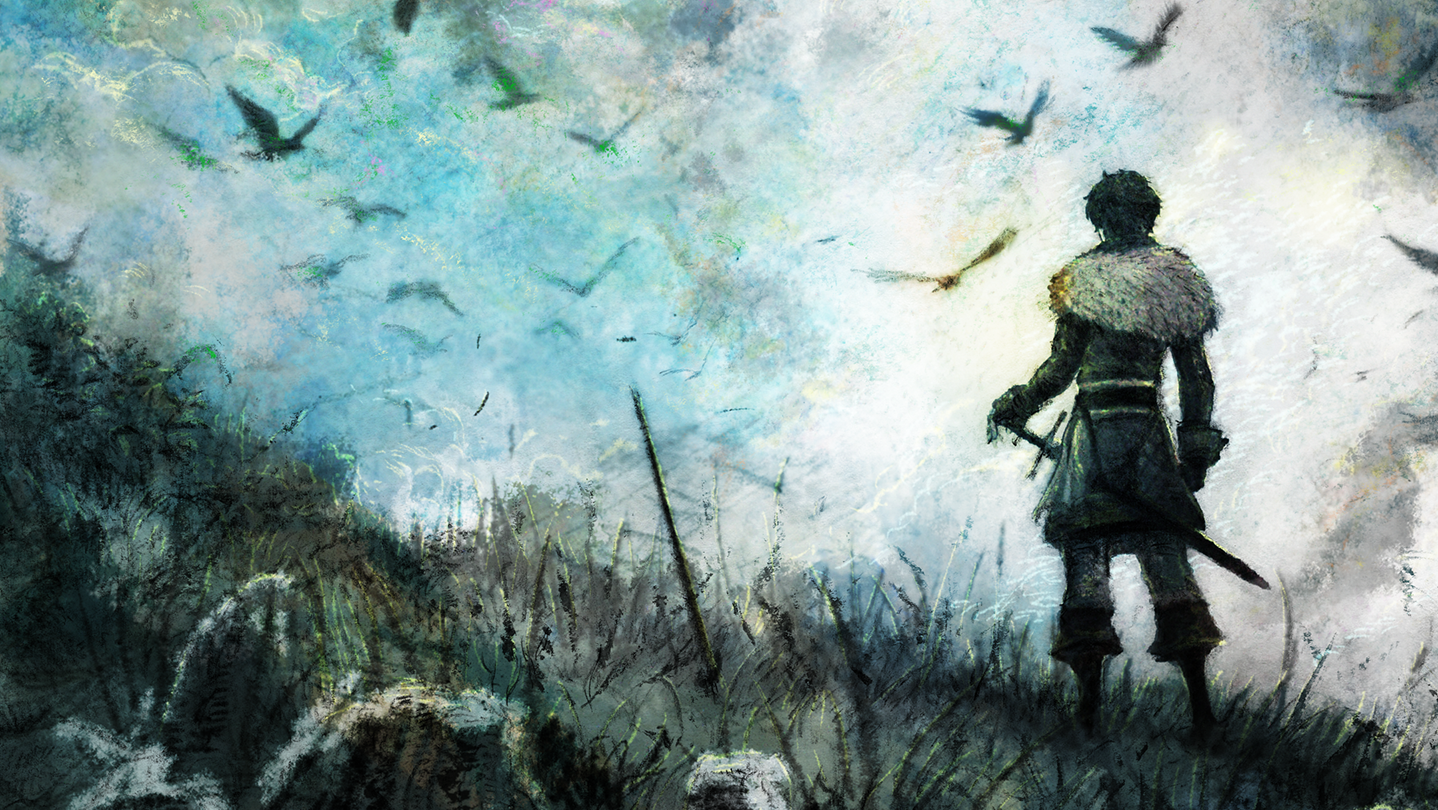
Triangle Strategy
A dense tactical RPG where every battlefield decision is matched by a political voting system that reshapes the story. Slow burn, high reward.
GamerScout Verdict
Best for patient tactics fans who want political weight behind their battlefield decisions and can stomach heavy dialogue pacing.
Compare Prices(6 stores)
Every store in this table quotes us in euros, so the EUR figure is the price the seller actually set, not our arithmetic — which is why EUR is also the currency we rank in. We only list an offer here when the store gives us its price in euros, so nothing in this table is a number we invented.
Pick USD, PLN, GBP, CAD or AUD in the header and we convert from EUR at the European Central Bank reference rate — converted amounts are prefixed with ~. Your bank or the store may apply a different rate at checkout. We never hide offers based on where you are: everyone sees this whole table.
We may earn a commission when you buy games through links on this page — at no extra cost to you. It never affects our rankings or verdicts.
Price History
Screenshots & Media
About Triangle Strategy
Triangle Strategy is a turn-based tactical RPG from Square Enix that puts you in command of Serenoa Wolffort, a noble caught between three warring nations fighting over salt, iron, and ideology. If that sounds dry on paper, give it two hours. The game is built around two alternating pillars: grid-based combat with elevation, flanking bonuses, and chain attacks, and a political deliberation system called the Scales of Conviction, where your party members literally vote on major story decisions. You can lobby individual characters before the vote, but you cannot override the result if the numbers go against you. That loss of control is intentional and surprisingly effective. The tactical layer is genuinely deep. Unit positioning matters more than raw stats. Archers deal bonus damage from high ground, mages freeze water tiles to create ice bridges or chain lightning across wet enemies, and melee units can shove opponents off ledges for one-hit kills. There are around two dozen recruitable characters across several class archetypes, each with a fixed skill set rather than an open build tree. This is a divisive choice. Purists will appreciate how it focuses decision-making onto deployment and positioning rather than stat allocation. Players who want to min-max a custom roster may find it limiting. The game rewards learning each unit's toolkit rather than optimising around one or two powerhouses, and the late-game maps are designed explicitly to punish single-strategy thinking. The story is where Triangle Strategy earns and loses players in equal measure. The political writing is earnest and occasionally genuinely surprising, with the three-faction structure giving real weight to alliance choices. The pacing, however, is brutal. Chapter openings frequently hand you forty-five minutes of dialogue before a single combat encounter. If you have zero tolerance for JRPG visual-novel segments, this will test you. On the other hand, if you have ever read through an entire Crusader Kings III event chain because you were invested in the characters, the storytelling mode here will feel like a familiar rhythm. The English localisation is competent but occasionally stilted, and the deliberation scenes hit harder if you have followed the faction relationships closely. The PC port arrived after the Nintendo Switch version and is functional rather than polished. There is no ultrawide support, the UI is clearly designed around a controller, and keyboard-and-mouse bindings feel like an afterthought. Controller play on PC is smooth. Mod support is essentially nonexistent, which is a shame given how much a community editor could extend the replayability of the map design. The multiple ending paths and a New Game Plus mode that carries over Conviction points do provide genuine replay hooks without mods, though the second and third playthroughs do involve retreading familiar early chapters. For strategy players specifically, the honest comparison is to Final Fantasy Tactics and Tactics Ogre rather than Fire Emblem. The tone is darker, the systems are less forgiving of ignoring unit matchups, and the story takes its political themes seriously enough that you will remember specific faction arguments after finishing. The 80 percent positive Steam rating with a Mixed label reflects a real audience split rather than a flawed product: the people who bounced off it wanted a faster, more customisable experience; the people who stayed found one of the more thoughtful tactical RPGs released in recent years. If you can accept a slow start and a rigid character system, the back half of this game delivers map design and story payoffs that justify every early dialogue cutscene.

Strategy & simulation
Tags
System Requirements
Minimum
- Processor
- AMD A8-7600 / Intel® Core™ i3-3210
- Memory
- 4 GB RAM
- Graphics
- AMD Radeon™ RX 460 / NVIDIA® GeForce® GTX 950 / Intel® Iris® Xe Graphics G7
- DirectX
- Version 11
- Storage
- 10 GB available…
Recommended
- Processor
- AMD Ryzen™ 3 1200 / Intel® Core™ i5-6400
- Memory
- 8 GB RAM
- Graphics
- AMD Radeon™ RX 470 / NVIDIA® GeForce® GTX 1…
Keep exploring
Community Discussion
Be the first to comment on Triangle Strategy.
Reviews & Ratings
Game Info
- Developer
- Square Enix
- Publisher
- Nintendo
- Release Date
- Oct 13, 2022
![[HAPPY SUBTEMBER] Triangle Strategy NG++ Playthrough 3 halfway done already. Close to the PLAT !trophies !discord !eg #AIOptedOut #subtember](https://static-cdn.jtvnw.net/previews-ttv/live_user_jondadgaming-440x248.jpg)