Tower Princess
Cute armor, real teeth: this three-person Spanish studio built a roguelite dungeon run around fairy-tale companions, and the concept is genuinely worth your time even if the execution wavers.
GamerScout Verdict
Worth a look for players who want a cozy roguelite concept with fairy-tale companions, but go in with low expectations for the combat feel.
Compare Prices(5 stores)
Every store in this table quotes us in euros, so the EUR figure is the price the seller actually set, not our arithmetic — which is why EUR is also the currency we rank in. We only list an offer here when the store gives us its price in euros, so nothing in this table is a number we invented.
Pick USD, PLN, GBP, CAD or AUD in the header and we convert from EUR at the European Central Bank reference rate — converted amounts are prefixed with ~. Your bank or the store may apply a different rate at checkout. We never hide offers based on where you are: everyone sees this whole table.
We may earn a commission when you buy games through links on this page — at no extra cost to you. It never affects our rankings or verdicts.
Price History
Screenshots & Media
About Tower Princess
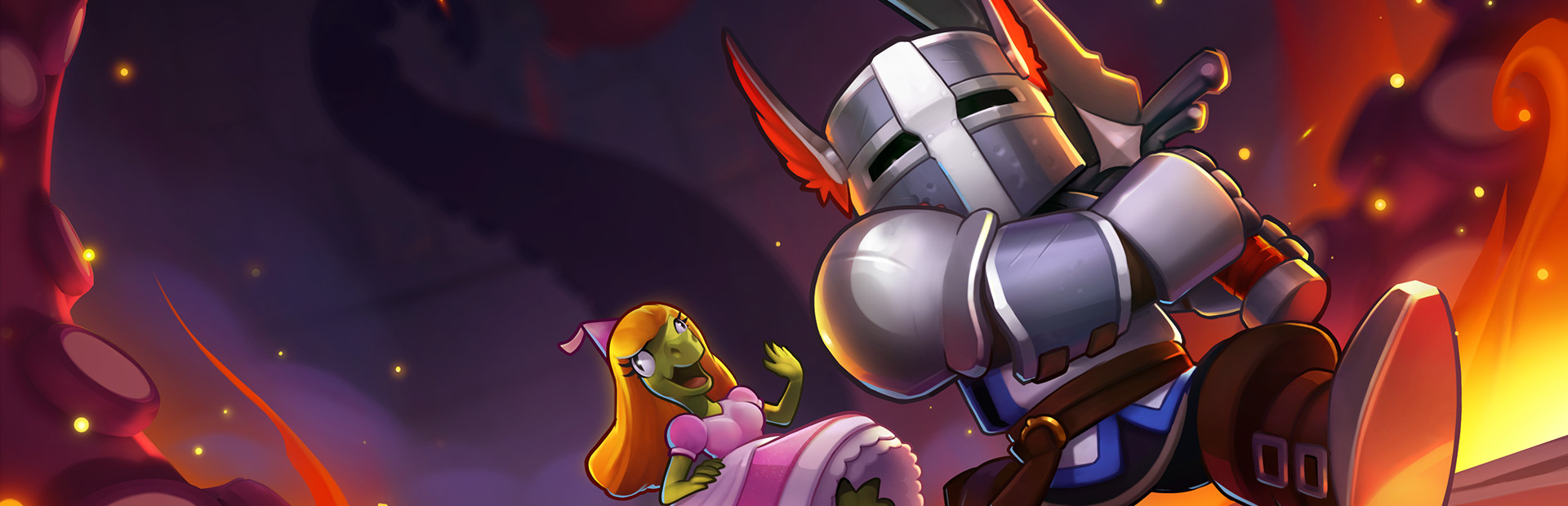
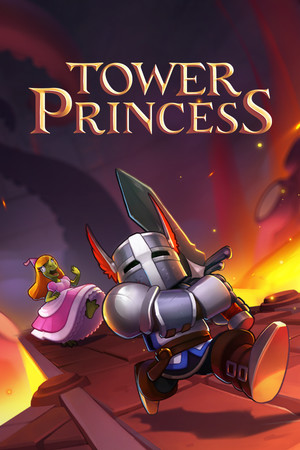
I kept coming back to Tower Princess not because the combat felt tight, but because the hook at its center is surprisingly wholesome and a little weird in all the right ways. You pick one of two knight classes, a sword-swinger or a musket-wielding ranger, drop into a procedurally generated castle full of traps and locked doors, and somewhere in those rooms you find a princess or prince to escort out. Each companion is pulled from a different fairy-tale archetype, each with their own gift preferences and a cooldown ability they can contribute to the fight. The Zombie Princess heals; others deal crowd control or raw damage. On paper, that companion layer turns a fairly standard 3D roguelite into something genuinely its own. The mood is the clearest success. The art carries a storybook lightness, torchlight flickers nicely in the castle corridors, and the soundtrack lands on the sweeter side of adventure-game whimsy. The team cites influences ranging from Shrek and Adventure Time all the way back to PS2-era 3D platformers and a quiet reverence for Dark Souls, and that mishmash somehow has a personality. Runs are short, roughly half an hour each, and the pacing rarely drags. For a three-person studio working in Unreal Engine 4, building out procedural dungeons alongside a companion relationship system is a real ambition worth acknowledging. But the gap between concept and delivery is where Tower Princess loses players. The sword knight's combo reach is stubby enough to feel punishing rather than challenging, and the dodge roll has invincibility frames that are, at best, unclear. Enemy attack telegraphing is inconsistent, and some elemental ghost types use their idle animation as their attack animation, so you read a threat that isn't there and miss the one that is. The room variety problem is the bigger long-term issue: the dungeon generator works from a small set of premade layouts, and by the third or fourth run you will walk into rooms you remember exactly, enemies, exits, item placements and all. Two areas and three mandatory bosses per run caps the ceiling quickly. The companion gifting system adds a layer that rewards players who pay attention to each character's preferences, and unlocking their abilities properly does shift the power curve. The difficulty slider means genuinely casual players are not locked out. But the musket class so clearly outperforms the sword knight that the "choose your style" framing feels a little hollow, and the camera requires manual adjustment throughout, which on a 3D platformer with traps is a persistent friction point. Community feedback has been consistent on these points since launch, and post-launch updates have not fundamentally changed the structural limits. If you love the concept of a dating-sim layer folded into a roguelite run, fairy-tale companion archetypes with distinct abilities, and can accept a small indie's rough edges as part of the deal, Tower Princess will hold you for a handful of evenings. Go in expecting Hades and you will be disappointed. Go in expecting a charming, slightly janky small-studio experiment with a lovely OST and a premise nobody else tried quite this way, and it earns its place.

Indie & narrative
Tags
System Requirements
Minimum
- OS
- Windows 7+ / 8.1 / 10 / 11 64 bit
- Memory
- 6 GB RAM
- DirectX
- Version 10
- Storage
- 6 GB available space
- Graphics
- ATI 7770, Nvidia GeForce GTX 660 2GB
- Processor
- Intel i3 Processor
Recommended
Requires a 64-bit processor and operating system
Keep exploring
Community Discussion
Be the first to comment on Tower Princess.
Reviews & Ratings
No ratings available
Game Info
- Developer
- AweKteaM
- Publisher
- AweKteaM
- Release Date
- Sep 8, 2022