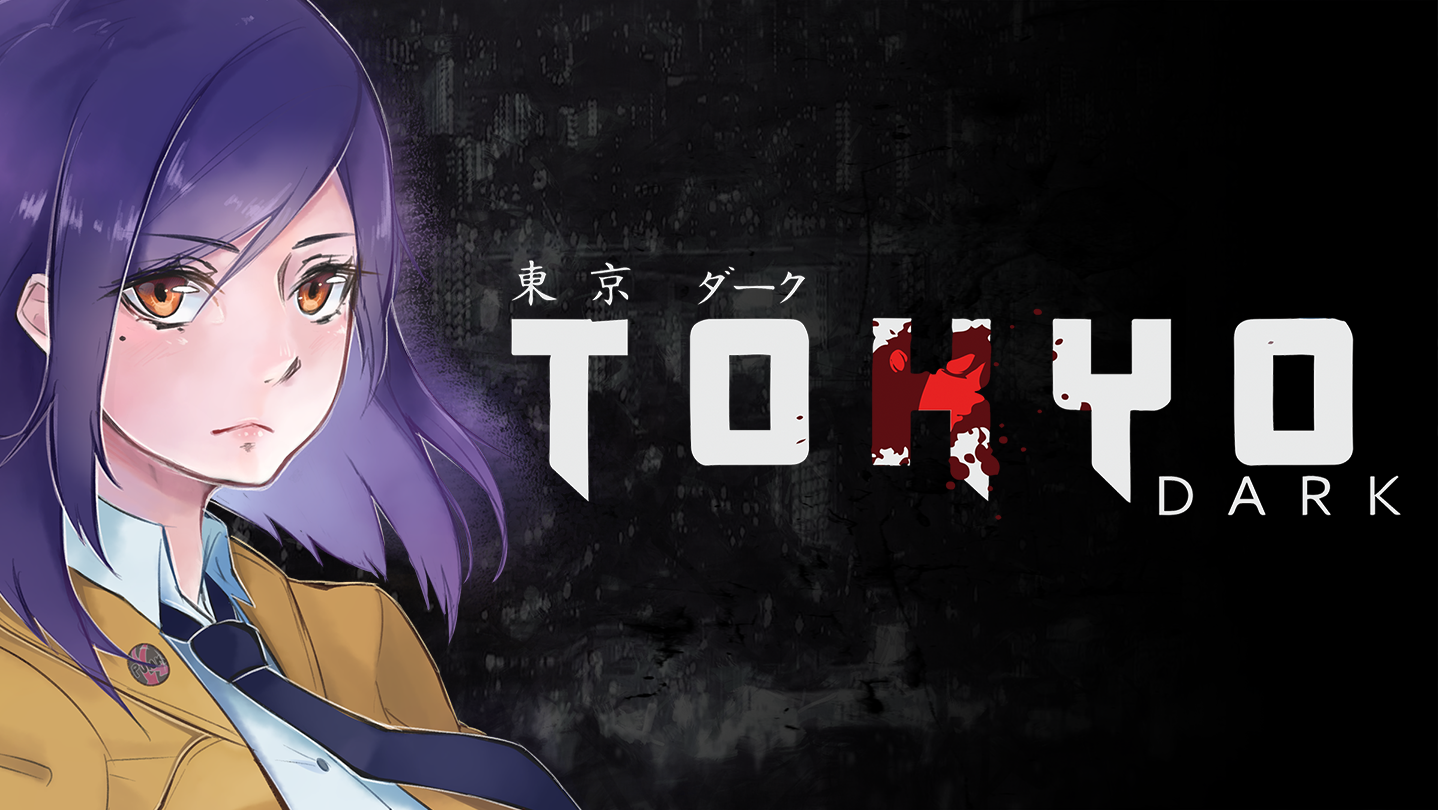
Tokyo Dark
If the idea of playing a detective who might be losing her mind - and whose sanity score actually shifts based on how badly you spiral - sounds compelling, Tokyo Dark earns that premise more often than not.
GamerScout Verdict
Best for fans of short, replayable narrative adventures who want moral choices with psychological - not just story - consequences.
Compare Prices(6 stores)
Every store in this table quotes us in euros, so the EUR figure is the price the seller actually set, not our arithmetic — which is why EUR is also the currency we rank in. We only list an offer here when the store gives us its price in euros, so nothing in this table is a number we invented.
Pick USD, PLN, GBP, CAD or AUD in the header and we convert from EUR at the European Central Bank reference rate — converted amounts are prefixed with ~. Your bank or the store may apply a different rate at checkout. We never hide offers based on where you are: everyone sees this whole table.
We may earn a commission when you buy games through links on this page — at no extra cost to you. It never affects our rankings or verdicts.
Price History
Screenshots & Media
About Tokyo Dark
My first instinct playing Tokyo Dark was that it would coast entirely on atmosphere and let the mechanics slide. That instinct was wrong, mostly. Cherrymochi's debut is a side-scrolling point-and-click hybrid set across several of Tokyo's most recognizable districts - Shinjuku, Kabukicho, Akihabara - each rendered in a hand-drawn style that mixes anime aesthetics with genuine film-noir unease. You play Detective Ayami Ito, whose partner Tanaka has gone missing under circumstances that immediately venture into supernatural territory. The game opens on a genuinely unsettling note and keeps that pressure alive through strong writing and a soundtrack that ranges from ambient dread to sharp, tension-spiking strings. The real mechanical hook is S.P.I.N., a four-stat system tracking Ito's Sanity, Professionalism, Investigation skill, and Neurosis. Every dialogue choice, every action you take at a crime scene, and even repetitive behavior - like badgering the same NPC over and over - shifts those numbers in ways that ripple through what options are available to you later. Tank your Professionalism by going rogue and your cop colleagues lose respect; let your Neurosis climb by pacing back and forth and Ito's Sanity starts to erode faster. One particularly sharp moment: you are offered pills that stabilize Sanity but dull your Investigation skill, which forces a genuine cost-benefit choice rather than a binary good/evil tick-box. The system is cleverly designed from the ground up, with each situation apparently written to ask: what would a composed Ito do here, and what would a desperate, unraveling one do instead? That said, the critical consensus - reflected in a Metacritic score of 70 and a Strong 84% positive Steam rating - lands about right. The S.P.I.N. system does not always deliver on its full promise. Several reviewers noted that its impact felt inconsistent mid-game, with the Neurosis and Investigation gauges occasionally seeming inert when they should bite. The pacing also dips noticeably in the middle section; the urgency of the opening acts loses momentum across the quieter district-hopping chapters before the final third tightens back up. Puzzle density is low - there is really only one traditional inventory-style puzzle in the whole game - so players expecting Monkey Island-style obstacle-solving will be left wanting. The game is closer to a branching visual novel where you occasionally walk left and right than a full point-and-click adventure. Where Tokyo Dark genuinely distinguishes itself is in its writing and replayability structure. The game offers eleven endings, some locked behind specific S.P.I.N. thresholds, and a New Game+ mode that lets you jump directly to chapter branch points rather than forcing a complete restart. That design choice matters a lot - without it, chasing alternate endings in a game with required exploration sections would be a slog. A first playthrough runs roughly four to five hours, which is the right length: tight enough that replaying for a different outcome feels worthwhile rather than punishing. The districts look distinct and are well-observed, even if the game's portrayal of Tokyo occasionally favors the expected (Yakuza-adjacent nightlife, otaku Akihabara) over anything that would surprise a fan of Japanese fiction. The animated cutscenes, produced by anime studio Graphinica, are a genuine visual step up from the standard scene transitions. This one is for players who enjoy narrative games where choices carry psychological weight, not just story-branch weight. If your tolerance for light puzzle interaction is low, or you need a CRPG-level stat system to stay engaged, Tokyo Dark will feel underbaked. But if you want a compact, genuinely eerie detective story that lets you shape Ito's unraveling on your own terms, it delivers that experience with confidence.

Catch-all
Tags
System Requirements
Minimum
- Processor
- AMD Phenom II X2 550, 3.1 GHz or Intel Core i3 3220
- Memory
- 2 GB RAM
- Graphics
- AMD Radeon HD 3870 (512 MB) or GeForce 8800 GT (512 MB)
- DirectX
- Version 9…
Recommended
Requires a 64-bit processor and operating system
DLC & Add-ons for Tokyo Dark1
Expansions, DLC packs and add-on content for this game. Click any item to see store offers.
Keep exploring
Community Discussion
Be the first to comment on Tokyo Dark.
Reviews & Ratings
Game Info
- Developer
- Cherrymochi
- Publisher
- Square Enix
- Release Date
- Sep 7, 2017