Tiny Bunny
Four episodes of patient, frost-bitten dread paid for in years of early access waiting, and the fifth finally arrived. Worth reading if Slavic folklore horror and 20 branching endings sound like your kind of dark.
GamerScout Verdict
Essential for atmosphere-first horror readers willing to accept a finale that splits opinion, start with the free Prologue first.
Compare Prices(5 stores)
Every store in this table quotes us in euros, so the EUR figure is the price the seller actually set, not our arithmetic — which is why EUR is also the currency we rank in. We only list an offer here when the store gives us its price in euros, so nothing in this table is a number we invented.
Pick USD, PLN, GBP, CAD or AUD in the header and we convert from EUR at the European Central Bank reference rate — converted amounts are prefixed with ~. Your bank or the store may apply a different rate at checkout. We never hide offers based on where you are: everyone sees this whole table.
We may earn a commission when you buy games through links on this page — at no extra cost to you. It never affects our rankings or verdicts.
Price History
Screenshots & Media
About Tiny Bunny
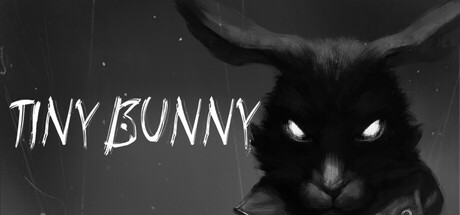
I went into Tiny Bunny knowing it had spent years in early access, episodes trickling out while a devoted community held its breath. That kind of slow reveal either means a developer who genuinely cares about getting the story right, or one who lost the thread somewhere along the way. The answer, frustratingly, is both at once, and that tension is what makes this one worth talking about. The game puts you inside Anton, a twelve-year-old who has just moved with his struggling family to a remote Siberian village in the tail end of the 1990s. His dad lost work, his mother self-medicates, bullies circle him at school, and somewhere out in the snow-covered tree line, children are disappearing. The horror here is not loud. It is built from creaking floorboards, wind threading through your headphones, a mysterious flute that seems to come from just past the window. The art is rendered entirely in greyscale, a deliberate, confident choice, and the way the illustrations shake and zoom rather than animate traditionally gives the whole thing the feel of a storybook that has been left out in the cold too long. Dialogue boxes are framed to resemble frost-covered glass. Every small design decision points inward, toward immersion, and for the first four episodes those decisions largely work. The sound team alone, seven composers, multiple sound designers, gives the experience a sonic density you almost never find in a visual novel of this size. The interactivity is light but purposeful. You make branching choices that shape which of the twenty endings you reach, occasionally explore spaces for hidden context, and sit through brief minigames: matching photograph fragments, timed button prompts. Players wanting systemic mechanics will find nothing here. What the game offers instead is a branching horror narrative rooted in Slavic folklore, the kind where the monster is not just a creature but a cultural memory, and where the helplessness of a child in a collapsing household is its own distinct register of dread. For fans of games like Doki Doki Literature Club or Everlasting Summer who can handle considerably darker subject matter, episodes one through four represent genuinely impressive atmosphere-first storytelling. The fifth episode is where the consensus fractures and where I have to be honest with you. Players who fell in love with the quiet psychological suffocation of the early chapters report a jarring tonal shift in the finale, the patient mood giving way to body horror and unexplained gore, with character reactions that feel rushed after years of careful setup. The community is split: some find the escalation earned, others feel the ending collapses what came before. As someone who prizes knowing when to end a story, I think both readings are fair. The craft of the first four episodes is real and the finale is genuinely divisive rather than universally satisfying. That does not erase the strength of what precedes it, but you should walk in with eyes open. Tiny Bunny: Prologue is free on Steam if you want to test the atmosphere before committing. For readers of horror fiction, fans of hand-crafted monochrome art, and anyone who responds to cold, quiet, Slavic dread, the journey through Anton's frozen village is worth starting. Whether the ending will feel like a payoff or a stumble depends entirely on what you need from a horror story's final note.

Indie & narrative
Tags
System Requirements
Minimum
- OS
- Windows 10 х64
- Memory
- 2 GB RAM
- DirectX
- Version 9.0
- Storage
- 5 GB available space
- Graphics
- 512 MB display memory
- Processor
- 1.2 GHz or faster processor
Recommended
Requires a 64-bit processor and operating system
Keep exploring
Community Discussion
Be the first to comment on Tiny Bunny.
Reviews & Ratings
No ratings available
Game Info
- Developer
- Saikono
- Publisher
- Saikono
- Release Date
- Dec 5, 2025