Thymesia
Soulslike fans who burned through Bloodborne and want something shorter and scrappier will find Thymesia's plague weapon system genuinely clever, even if everything around it feels half-finished.
GamerScout Verdict
Worth it for Soulslike regulars who want a punchy six-to-ten hour detour with a combat hook that's actually original.
Compare Prices(9 stores)
Every store in this table quotes us in euros, so the EUR figure is the price the seller actually set, not our arithmetic — which is why EUR is also the currency we rank in. We only list an offer here when the store gives us its price in euros, so nothing in this table is a number we invented.
Pick USD, PLN, GBP, CAD or AUD in the header and we convert from EUR at the European Central Bank reference rate — converted amounts are prefixed with ~. Your bank or the store may apply a different rate at checkout. We never hide offers based on where you are: everyone sees this whole table.
We may earn a commission when you buy games through links on this page — at no extra cost to you. It never affects our rankings or verdicts.
Price History
Screenshots & Media
About Thymesia
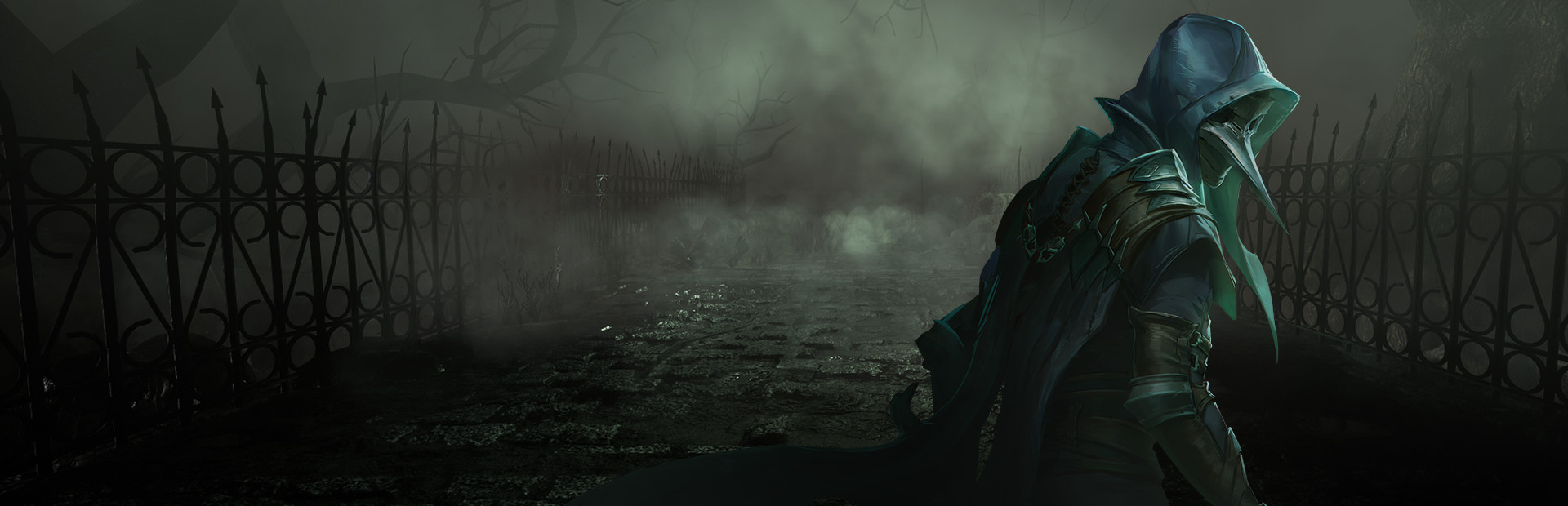
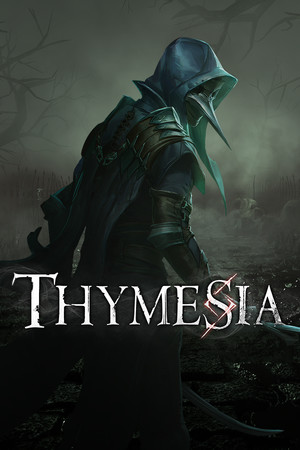
My first impression of Thymesia was that a seven-person indie studio had no business building something this mechanically sharp. The combat is the whole reason to be here, and it earns its keep. Corvus carries a saber, a spectral claw, and a supply of throwable feathers, and the way those three tools interact is smarter than it looks on paper. Saber strikes deal wound damage, visible as that familiar white health bar peeling back to reveal a green layer underneath. Leave that green bar alone and the enemy simply heals it back. Close in with the claw and you harvest the wound for permanent damage. The design pushes you to stay aggressive and keep the pressure on, which gives every fight a rhythm that feels closer to Bloodborne than to the slower, more deliberate pace of Dark Souls. Layered on top of that is the plague weapon system, which is where things get interesting. Charge up the claw against an enemy and you can reave their weapon right out of them, a temporary steal that gives you one use of whatever spectral tool they were carrying. Hammers, scythes, halberds, flying daggers, whips, there are over twenty types to collect permanently once you farm the required shards. You can slot two into your loadout, with a third temporarily available after a finishing strike. The scythe, for example, sweeps multiple enemies and heals on hit once upgraded, and can become a load-bearing part of builds that lean into the Plague stat. Talent trees covering Saber, Deflect, Feather, and Plague branches add another layer of customization, with each tree forcing a commitment when paths diverge. It is a classless system, but it creates genuine playstyle variation without pretending to be something as deep as a full RPG. On the defensive side, deflect works cleanly on standard attacks but goes away entirely when enemies telegraph a critical hit with a green glow. Those must be dodged or interrupted by throwing feathers, and red-glowing boss ultimates require you to simply get out of range. Learning these read-and-respond layers is satisfying, and on PC the performance is genuinely good, running well above 60fps even at high resolutions on modest hardware. The technical baseline is solid. Where Thymesia stumbles is everywhere outside the combat. The four playable areas are visually dull, leaning hard on brown-gray palettes with little to distinguish them. Enemy variety is thin, and bosses range from satisfying to annoyingly erratic without ever hitting the heights you get from the games it borrows from. The story is told entirely through text logs and short memory vignettes with no voice acting, which is a fine format for the genre but executed here without enough intrigue to pull you in. Most importantly, the whole thing is short. Depending on how many side quests you tackle, you are looking at somewhere between six and fifteen hours, and just as the systems start to click, the credits roll. Multiple endings exist and are determined by how closely you tracked the memory items, but they are unlikely to pull many players back for a second run. Thymesia is a debut game from a tiny studio, and it reads that way. The production values are limited, some hitboxes and animations are rough at the edges, and the motion blur in its default state is worth switching off immediately. What it gets right, it gets right in a way that bigger-budget Soulslikes sometimes fumble: the core combat loop is snappy, the plague weapon gimmick is genuinely original, and the whole experience never outstays its welcome. If you can reconcile a strong mechanical idea with underdeveloped surroundings, there is real fun here.

Catch-all
Tags
System Requirements
Minimum
- OS
- Windows 10 (64 Bit)
- Memory
- 8 GB RAM
- DirectX
- Version 12
- Storage
- 16 GB available space
- Graphics
- NVIDIA GeForce GTX 950 or Radeon HD 7970
- Processor
- Intel Core i5 or AMD Ryzen 5
Recommended
- OS
- Windows 10 (64 Bit)
- Memory
- 16 GB RAM
- DirectX
- Version 12
- Storage
- 16 GB available space
- Graphics
- NVIDIA GeForce GTX 1060 or AMD Radeon RX 580
- Processor
- Intel Core i7 or AMD Ryzen 7
Keep exploring
Community Discussion
Be the first to comment on Thymesia.
Reviews & Ratings
Game Info
- Developer
- OverBorder Studio
- Publisher
- Team17
- Release Date
- Aug 18, 2022