Through The Fragmentation
A quietly singular one-person creation that plants you inside a city of bird people and trusts you to find your own way out. Strange, melancholic, and worth every minute.
GamerScout Verdict
Best for players who prize atmosphere and hand-craft over length, and who can tolerate a world that explains itself slowly.
Compare Prices(3 stores)
Every store in this table quotes us in euros, so the EUR figure is the price the seller actually set, not our arithmetic — which is why EUR is also the currency we rank in. We only list an offer here when the store gives us its price in euros, so nothing in this table is a number we invented.
Pick USD, PLN, GBP, CAD or AUD in the header and we convert from EUR at the European Central Bank reference rate — converted amounts are prefixed with ~. Your bank or the store may apply a different rate at checkout. We never hide offers based on where you are: everyone sees this whole table.
We may earn a commission when you buy games through links on this page — at no extra cost to you. It never affects our rankings or verdicts.
Price History
Screenshots & Media
About Through The Fragmentation
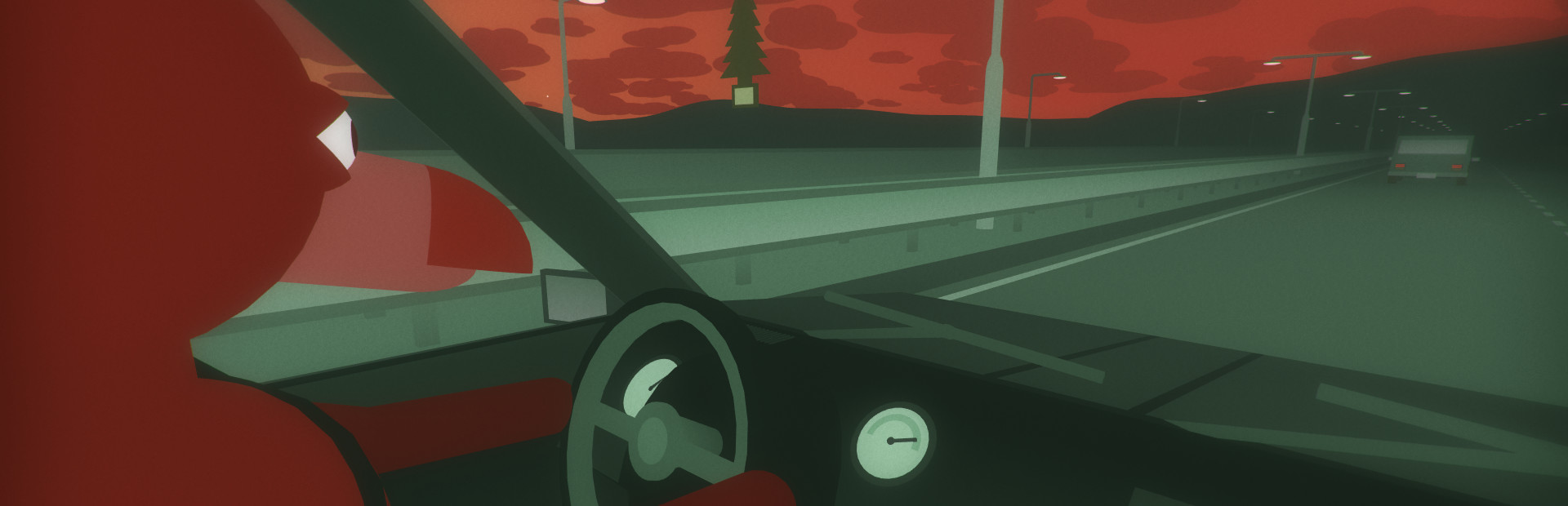
I keep a running mental list of games that almost nobody talks about but probably should. Through The Fragmentation, a solo effort by Máté Pribelszky, sits near the top of that list. You are dropped into a drab, claustrophobic city populated by quietly suffering bird-people, with no combat, no currency, and no map holding your hand. The goal is to understand what the Fragmentation actually is, and the game earns its mystery by making the world feel genuinely inhabited rather than constructed around a plot. The mechanical language is deliberate and unhurried. You collect items scattered across the environment, trade them for small favors, crawl through ventilation ducts, or find tools to carve your own way into sealed-off spaces. NPCs remember you. Choices quietly redirect which ending you reach. There are notes scattered throughout that hint and misdirect in equal measure. None of this is loud or complex, but it is carefully assembled. Players who were expecting a traditional adventure game sometimes balk at the loose structure, but that looseness is exactly what gives the world room to breathe. The soundscape deserves a particular mention: Pribelszky specifically asks you to put headphones on, and that is advice worth following. The audio does real atmospheric work, sitting somewhere between ambient unease and melancholy calm. The runtime is short by any measure, a completionist pass sits under four hours, with a main-story run closer to one. That brevity will frustrate players who want sprawl, but Pribelszky knows the length he needs. There is no padding here. The world has edges, and it is better for them. The multiple endings and hidden achievements give it genuine replay texture without artificially inflating time. Community reception has been overwhelmingly warm from the small audience that found it, and the few critical notices it received praised the attention given to optional, multi-path interactions as a model of unpretentious design craft. The honest caveat is that the game can feel opaque in its early minutes. You will sometimes walk around not entirely sure what you are supposed to do or whether what you just did mattered. The developer himself noted that some players get stuck near the start. If you need clear quest markers and explicit objective feedback, this is going to test your patience. But if you are the kind of player who appreciates a world that reveals itself sideways, who will poke at things just to see how the NPCs react, who considers a well-designed ventilation duct to be a small gift, then Through The Fragmentation will resonate in the particular way that only handcrafted small games can. It is one person, one city, one strange idea, held together by genuine care.

Indie & narrative
Tags
System Requirements
Minimum
- OS
- Windows 7 32bit
- Memory
- 4 GB RAM
- DirectX
- Version 11
- Storage
- ∿250 MB available space
- Graphics
- Nvidia GeForce G 105M 512 MB
- Processor
- Intel(R) Core(TM) i3-2330M CPU @ 2.20GHz
- Sound Card
- Onboard Sound
Recommended
- OS
- Windows 10 64bit
- Memory
- 8 GB RAM
- DirectX
- Version 11
- Storage
- ∿250 MB available space
- Graphics
- Nvidia GeForce GTX 1050 2048MB GDDR5 or better
- Processor
- Intel(R) Core(TM) i5-7400 CPU @ 3.00GHz or better
- Sound Card
- Onboard Sound
Keep exploring
Community Discussion
Be the first to comment on Through The Fragmentation.
Reviews & Ratings
No ratings available
Game Info
- Developer
- Máté Pribelszky
- Publisher
- Crow Bar
- Release Date
- May 13, 2021