Compare Thief: Deadly Shadows prices across trusted key stores and find the best deal. Developed by Ion Storm. Published by Eidos Interactive Corp.. Released on 3/29/2007. Available on PC. Genres: Action. Metacritic score: 85/100.

Patient, shadow-hugging stealth that rewards curiosity over aggression, with one level (Shalebridge Cradle) that belongs in a horror game hall of fame.

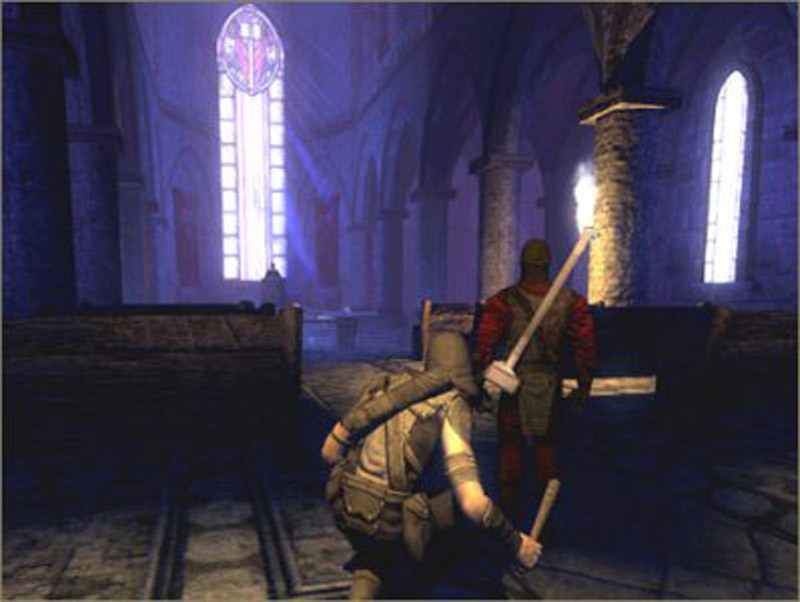
I have a soft spot for games that force you to slow down, and Thief: Deadly Shadows slows you to a crawl, in the best possible way. This is the third entry in the series that helped invent the stealth genre, and even arriving after two beloved predecessors, it earns its place by doing a handful of things exceptionally well: atmosphere, audio design, and a handful of missions that genuinely make your palms sweat. The setup is pure old-school immersive sim. You play Garrett, a self-serving master thief operating through a city that sits somewhere between medieval Gothic and Victorian steampunk, and your core loop is blackjacking guards unconscious, dousing torches with water arrows, picking locks with a tumbler minigame, and pocketing everything that is not nailed down. What is new here compared to earlier Thief titles is an open city you can actually walk between missions. You roam districts like Stonemarket Plaza, the Old Quarter, and the Docks, stealing from pedestrians, discovering side quests, and managing your standing with rival factions, the Hammerites and the Pagans. Keep the Hammerites on your side and the city gets easier to move through. Ignore them and doors close. It is a light reputation layer but it gives the between-mission stretches some genuine texture. The sound design is where this game stands completely apart. It won Best Sound awards on release for a reason. The propagation system tracks whether a door is open, what material it is made from, and adjusts what guards can hear through it. Positional audio is half your tactical information: you hear a patrol before you see it, and you react accordingly. The dynamic shadow system, a first for the series at launch, means torchlight actually moves and your hiding spot can evaporate in seconds if a guard carries his lantern past the wrong corner. These two systems working together produce a specific tension that holds up. That said, the game has real friction points worth knowing before you commit. The open city segments, while ambitious, are broken into small, separately loading districts. Load times were a sore point on release and can still interrupt momentum. The climbing gloves that replaced rope arrows from earlier Thief games feel like a downgrade, clunky and rarely necessary. Guard AI has been criticized, then and now, for being inconsistently forgetful; you can sometimes walk past an alert state moments after being spotted, which deflates tension mid-mission. The loot-then-sell economy encourages hoarding rarer items like noisemaker arrows and fire arrows rather than using them creatively. And the early missions are admittedly thin before the game finds its rhythm. But then you hit the Shalebridge Cradle, a level set inside an abandoned orphanage and asylum, and all of that friction melts away. It is one of those rare game levels that earns its legendary reputation. The atmosphere shifts completely, the stealth gives way to something closer to survival horror, and the sound design reaches a different register entirely. That one mission justifies the whole campaign. For players who can tolerate a slow, deliberate pace and are curious about the roots of modern stealth design, this remains a genuinely compelling experience, rough edges and all. Alex, Scout Team

Thief: Deadly Shadows

Thief: Deadly Shadows

Mar 29, 2007Ion StormEidos Interactive Corp.
GamerScout Says

Patient, shadow-hugging stealth that rewards curiosity over aggression, with one level (Shalebridge Cradle) that belongs in a horror game hall of fame.

PC
Steam Deck PlayableProtonDB Platinum
Best Price Available
€0.00
at N/A

GamerScout Verdict

Best for patient stealth fans willing to forgive dated AI in exchange for some of the most atmospheric mission design of the early 2000s.

Compare Prices(0 stores)

Loading prices...

We may earn a commission when you buy games through links on this page — at no extra cost to you. It never affects our rankings or verdicts.

Screenshots & Media

Screenshot

About Thief: Deadly Shadows

I have a soft spot for games that force you to slow down, and Thief: Deadly Shadows slows you to a crawl, in the best possible way. This is the third entry in the series that helped invent the stealth genre, and even arriving after two beloved predecessors, it earns its place by doing a handful of things exceptionally well: atmosphere, audio design, and a handful of missions that genuinely make your palms sweat. The setup is pure old-school immersive sim. You play Garrett, a self-serving master thief operating through a city that sits somewhere between medieval Gothic and Victorian steampunk, and your core loop is blackjacking guards unconscious, dousing torches with water arrows, picking locks with a tumbler minigame, and pocketing everything that is not nailed down. What is new here compared to earlier Thief titles is an open city you can actually walk between missions. You roam districts like Stonemarket Plaza, the Old Quarter, and the Docks, stealing from pedestrians, discovering side quests, and managing your standing with rival factions, the Hammerites and the Pagans. Keep the Hammerites on your side and the city gets easier to move through. Ignore them and doors close. It is a light reputation layer but it gives the between-mission stretches some genuine texture. The sound design is where this game stands completely apart. It won Best Sound awards on release for a reason. The propagation system tracks whether a door is open, what material it is made from, and adjusts what guards can hear through it. Positional audio is half your tactical information: you hear a patrol before you see it, and you react accordingly. The dynamic shadow system, a first for the series at launch, means torchlight actually moves and your hiding spot can evaporate in seconds if a guard carries his lantern past the wrong corner. These two systems working together produce a specific tension that holds up. That said, the game has real friction points worth knowing before you commit. The open city segments, while ambitious, are broken into small, separately loading districts. Load times were a sore point on release and can still interrupt momentum. The climbing gloves that replaced rope arrows from earlier Thief games feel like a downgrade, clunky and rarely necessary. Guard AI has been criticized, then and now, for being inconsistently forgetful; you can sometimes walk past an alert state moments after being spotted, which deflates tension mid-mission. The loot-then-sell economy encourages hoarding rarer items like noisemaker arrows and fire arrows rather than using them creatively. And the early missions are admittedly thin before the game finds its rhythm. But then you hit the Shalebridge Cradle, a level set inside an abandoned orphanage and asylum, and all of that friction melts away. It is one of those rare game levels that earns its legendary reputation. The atmosphere shifts completely, the stealth gives way to something closer to survival horror, and the sound design reaches a different register entirely. That one mission justifies the whole campaign. For players who can tolerate a slow, deliberate pace and are curious about the roots of modern stealth design, this remains a genuinely compelling experience, rough edges and all.

Alex
Alex · Scout Team

Catch-all

Tags

singleplayercontroller-supporttier:aaaStealth-FirstImmersive SimAtmospheric HorrorFaction ReputationDynamic ShadowsOpen City HubSound-Driven GameplayBlackjack Stealth

System Requirements

Minimum

OS
Windows 2000 or Windows XP
Processor
Intel Pentium IV 1.5 GHz (or AMD Athlon XP equivalent)
Memory
256 MB system memory, 64 MB video memory
Graphics
Direct3D 9.0, and Pixel Shader 1.1 So…

Keep exploring

Community Discussion

Be the first to comment on Thief: Deadly Shadows.

Reviews & Ratings

Metacritic
85

Game Info

Developer
Ion Storm
Publisher
Eidos Interactive Corp.
Release Date
Mar 29, 2007

Price Alert

Get notified when the price drops below your target!

Create Alert

No card? Pay another way

Top up your Steam Wallet or buy crypto with any card — instant delivery, no bank account needed.

More from Ion Storm

Buy smarter: helpful guides

Looking for more? See games like Thief: Deadly Shadows →

Frequently asked questions about Thief: Deadly Shadows

How much does Thief: Deadly Shadows cost?

Thief: Deadly Shadows pricing changes often and varies by store, edition and region. The live price table on this page compares the cheapest in-stock offers from trusted key stores like Eneba and Kinguin, so you always see the current lowest price before you buy.

Where can I buy Thief: Deadly Shadows cheapest?

Compare Thief: Deadly Shadows prices across every verified store in the price table on this page. We list the cheapest in-stock key and store offers, updated regularly, so you always see the best current deal before you buy.

What platforms is Thief: Deadly Shadows available on?

Thief: Deadly Shadows is available on PC.

When was Thief: Deadly Shadows released?

Thief: Deadly Shadows was released on 29 March 2007.

Who developed Thief: Deadly Shadows?

Thief: Deadly Shadows was developed by Ion Storm and published by Eidos Interactive Corp..

Is Thief: Deadly Shadows worth buying?

Thief: Deadly Shadows holds a Metacritic score of 85/100, making it one of the standout Action titles. See the full reviews, ratings and how-long-to-beat times on this page to decide.