The Wild at Heart
Pikmin's spiritual cousin on PC, wrapped in hand-drawn storybook art and a surprisingly heavy emotional core. Roughly 15-20 hours of creature-wrangling that punches well above its indie budget.
GamerScout Verdict
Best for Pikmin fans on PC and story-first players who want a polished 15-20 hour adventure without grand-strategy complexity.
Compare Prices(7 stores)
Every store in this table quotes us in euros, so the EUR figure is the price the seller actually set, not our arithmetic — which is why EUR is also the currency we rank in. We only list an offer here when the store gives us its price in euros, so nothing in this table is a number we invented.
Pick USD, PLN, GBP, CAD or AUD in the header and we convert from EUR at the European Central Bank reference rate — converted amounts are prefixed with ~. Your bank or the store may apply a different rate at checkout. We never hide offers based on where you are: everyone sees this whole table.
We may earn a commission when you buy games through links on this page — at no extra cost to you. It never affects our rankings or verdicts.
Price History
Screenshots & Media
About The Wild at Heart
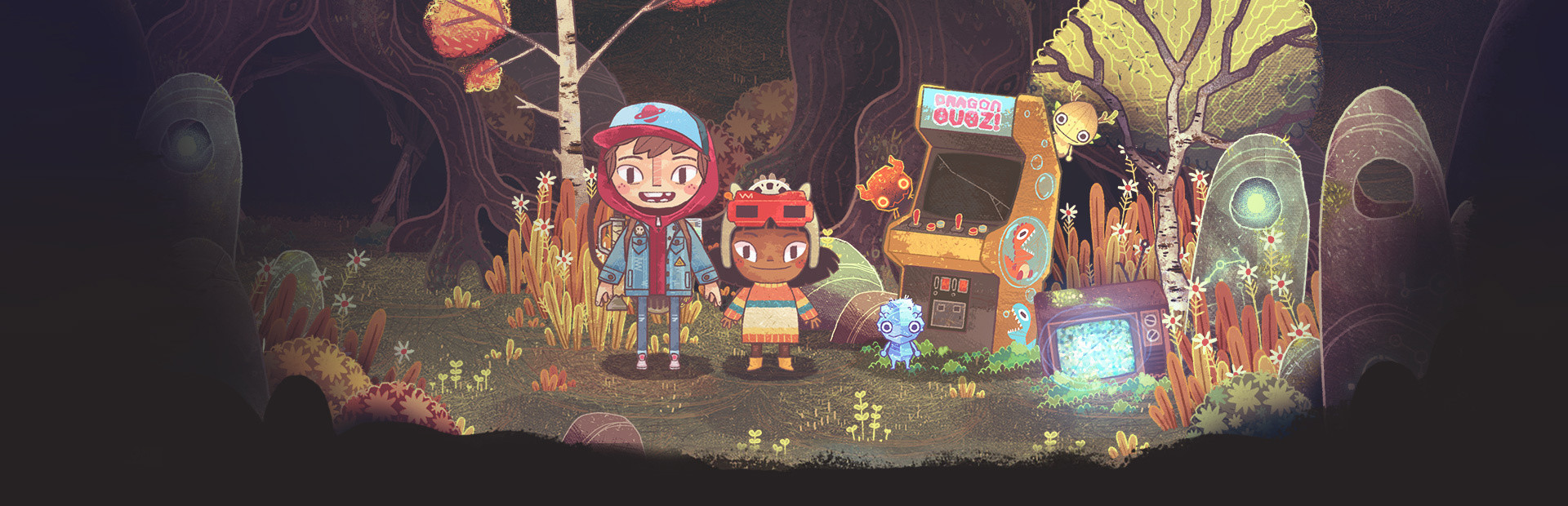
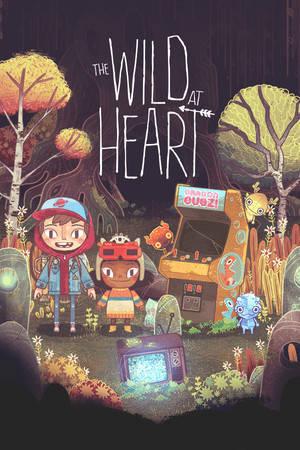
My instinct with any strategy-adjacent adventure is to ask how much the resource layer actually matters, and in The Wild at Heart the answer is: more than the art style suggests. You are managing a herd of Spritelings, elemental creatures that come in five distinct types, each with its own role in both combat and traversal. Shiverlings grow ice bridges across water and clone themselves. Barblings latch onto weighted contraptions. Emberlings torch dry brush blocking new routes. Swapping between types on the fly is quick and the cap of sixty Spritelings means you can field a genuinely varied squad, though splitting them into independent task groups is where the system shows its rough edges. Losing a detachment because the game counted a trip back to the Grove as abandonment feels arbitrary rather than strategic, and it is the clearest sign that the decision-making depth here sits closer to a light puzzle-adventure than a true real-time strategy title. The moment-to-moment loop is built around three pillars: exploration in the non-linear Deep Woods, resource collection and crafting via the Gustbuster vacuum backpack, and Metroidvania-style gating where new Spriteling types unlock previously impassable routes. Crafting lets you combine scrap, magical crystals, and electrical components into tonics, bombs, and equipment upgrades, but critics across the board flagged that the crafting system is more decoration than necessity, at least on the narrative-focused difficulty setting. On the harder mode the tonic-crafting for boss encounters gets real fast, which is where the strategy brain actually wakes up. The day-night cycle adds a light survival tension: nocturnal monsters are dangerous to your Spritelings, so every daily session becomes a small planning exercise of what to accomplish before dusk. The story follows Wake and Kirby, two runaways who stumble into the Deep Woods and get drafted into protecting it from a creeping dark force called the Never. The writing earns its emotional moments through dream sequences and journal entries scattered across the world rather than heavy exposition, and the subtext around Wake's neglectful home life gives the whole adventure more weight than you expect from the crayon-box aesthetic. The hand-drawn art is genuinely exceptional, characters and environments alike. The soundtrack by Amos Roddy is low-key but fits the melancholy-nostalgia mood precisely. No voice acting means a fair amount of reading, worth noting if you plan to share this with a younger player. The criticisms that land are real but not fatal. Combat is thin: you point Spritelings at enemies and wait. Puzzles rarely challenge on their own merits and function mainly as gating mechanisms. Repetition sets in during longer sessions, and at least one reviewer noted loading times between large areas stretching uncomfortably. The Pikmin comparison the community loves to make is accurate and is also the most honest frame for what this is: a condensed, more story-forward take on that Nintendo formula, without the timer pressure, with a Metroidvania map structure instead. If you have never played Pikmin on a Nintendo platform, this is a genuinely strong entry point for that style of real-time creature management on PC. If you are a deep grand-strategy player looking for AI complexity and branching decision trees, that is not on the menu here. What is on the menu is a polished, emotionally resonant 15-20 hour adventure that respects your time and leaves you with a complete, well-told story.

Strategy & simulation
Tags
System Requirements
Minimum
- OS
- Windows 7+
- Memory
- 4 GB RAM
- Storage
- 4 GB available space
- Graphics
- NVIDIA GTX 660, AMD R7 260X
- Processor
- Core i3-9300T, AMD FX 8350
Keep exploring
Community Discussion
Be the first to comment on The Wild at Heart.
Reviews & Ratings
Game Info
- Developer
- Moonlight Kids
- Publisher
- Balor Games
- Release Date
- May 19, 2021