The Town of Light
A slow, unflinching walk through the ruins of a real Italian psychiatric asylum. Not entertainment, closer to bearing witness.
GamerScout Verdict
Best for players who want the medium to carry real historical testimony, not a game loop.
Compare Prices(9 stores)
Every store in this table quotes us in euros, so the EUR figure is the price the seller actually set, not our arithmetic — which is why EUR is also the currency we rank in. We only list an offer here when the store gives us its price in euros, so nothing in this table is a number we invented.
Pick USD, PLN, GBP, CAD or AUD in the header and we convert from EUR at the European Central Bank reference rate — converted amounts are prefixed with ~. Your bank or the store may apply a different rate at checkout. We never hide offers based on where you are: everyone sees this whole table.
We may earn a commission when you buy games through links on this page — at no extra cost to you. It never affects our rankings or verdicts.
Price History
Screenshots & Media
About The Town of Light
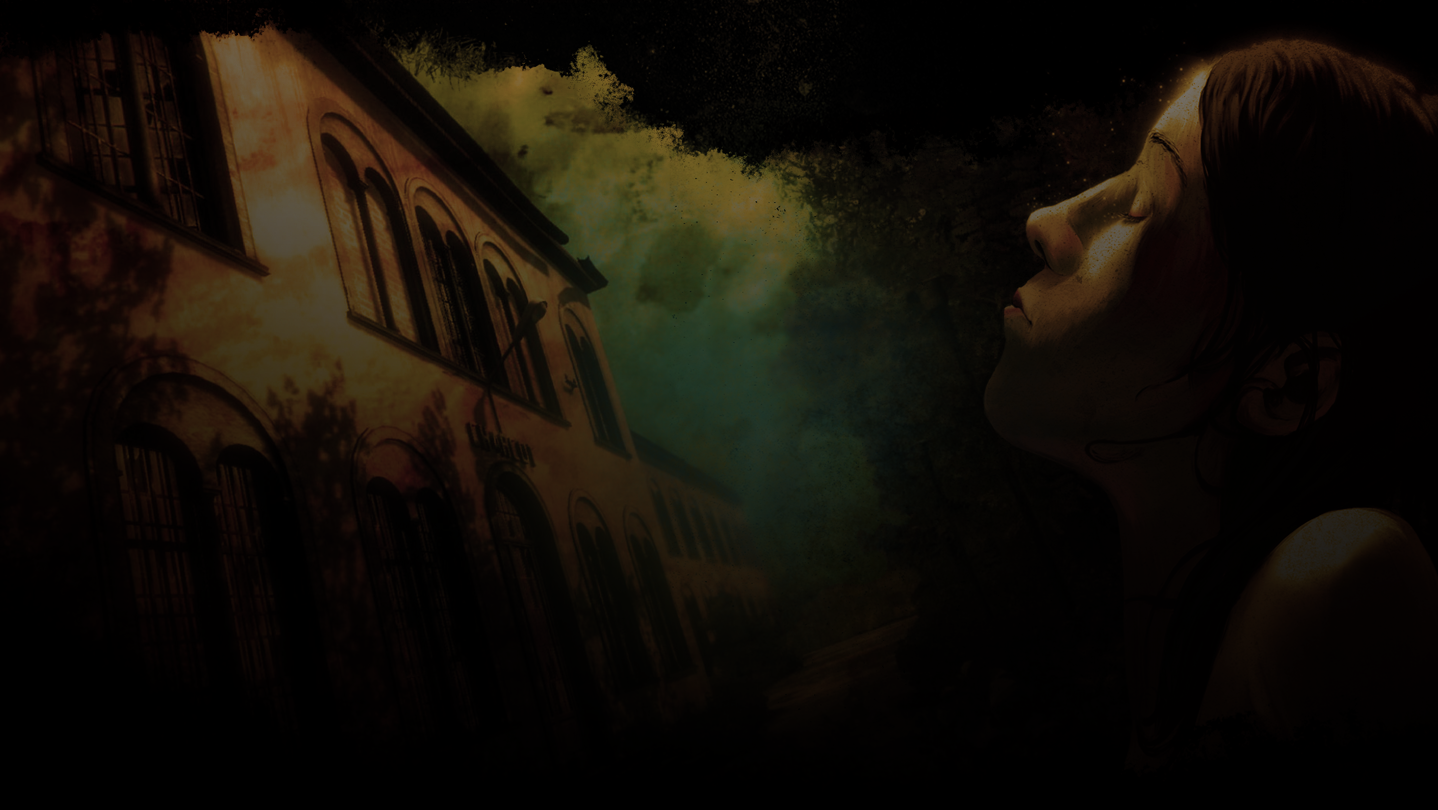
The Town of Light is a first-person narrative exploration game set inside the Volterra psychiatric asylum in Tuscany, an institution that actually existed and held patients under brutal conditions for much of the twentieth century. You play as Renée, a sixteen-year-old committed in 1938, and the game reconstructs her fragmented memories across crumbling wards, dark corridors, and overgrown courtyards that LKA painstakingly modeled from archival photographs and historical records. This is not a horror game in the jump-scare sense. It is something quieter and considerably harder to shake. The moment-to-moment experience is close to what people call a walking simulator, though that label undersells the intent. You find objects, trigger memory sequences, and piece together what happened to Renée through journal fragments, illustrated cutaways, and ambient narration. The pacing is deliberately slow, and the early sections especially ask you to sit with discomfort rather than push through it. If you come in expecting puzzles or branching choices you will find almost none. What you get instead is atmosphere so precisely constructed that the peeling paint and flooded basement floors feel less like a game environment and more like documentation. The soundscape deserves specific mention: footsteps that change with surface, distant institutional sounds, and a restrained score that knows when silence does more work than music. Where the game earns its most serious attention is in how it handles trauma without flinching and without sensationalizing. The subjects it covers, including institutionalized abuse, electroconvulsive therapy, isolation, and the stripping of identity, are not used as spectacle. They are presented with a kind of patient, sorrowful honesty that is rare in the medium. Some illustrated sequences are genuinely difficult to sit through, and the game seems aware of that weight. For players who have personal proximity to mental illness or institutionalization, the content warnings are real and worth heeding. The weaknesses are real too. Technically, the game shows its age and its budget. Character models in the memory sequences are rough, some textures are thin, and the PC version has historically had optimization inconsistencies. The 79 percent positive rating on Steam with a Mixed label reflects a genuine divide: players expecting conventional game structure leave frustrated, while those who came for the historical and emotional experience tend to find it affecting. Metacritic sitting at 64 reflects critics who wanted more interactivity. That is a fair reading of what it is not, less fair about what it actually accomplishes. This is a game for people who finish it and then look up the real Volterra asylum. It is for players who think the medium can carry testimony as well as any documentary. At roughly two to three hours, it knows exactly when to end, and the final act earns the weight it carries. It is not a comfortable experience, and it is not trying to be.

Indie & narrative
Tags
System Requirements
Minimum
- Processor
- Intel Core i3 or equivalent AMD
- Memory
- 4 GB RAM
- Graphics
- NVIDIA GeForce GTX 460, AMD Radeon HD 6770 with at least 1 GB VRAM
- DirectX
- Version 11
- Storage
- 8 GB available space Sound Card…
Recommended
- Processor
- Intel Core i5 or equivalent AMD
- Memory
- 8 GB RAM
- Graphics
- NVIDIA GeForce GTX 560, AMD Radeon HD 7790
- DirectX
- Ver…
Keep exploring
Community Discussion
Be the first to comment on The Town of Light.
Reviews & Ratings
Game Info
- Developer
- LKA
- Publisher
- Wired Productions
- Release Date
- Feb 26, 2016