The Tenth Line
A one-person JRPG passion project that wears its PS1 nostalgia without apology, stuffing a princess-on-the-run story, a Valkyrie Profile-ish battle system, and a collectible card minigame into under 20 hours.
GamerScout Verdict
Best for retro JRPG fans who can forgive clunky multi-character platforming in exchange for charming writing and inventive progression systems.
Compare Prices(5 stores)
Every store in this table quotes us in euros, so the EUR figure is the price the seller actually set, not our arithmetic — which is why EUR is also the currency we rank in. We only list an offer here when the store gives us its price in euros, so nothing in this table is a number we invented.
Pick USD, PLN, GBP, CAD or AUD in the header and we convert from EUR at the European Central Bank reference rate — converted amounts are prefixed with ~. Your bank or the store may apply a different rate at checkout. We never hide offers based on where you are: everyone sees this whole table.
We may earn a commission when you buy games through links on this page — at no extra cost to you. It never affects our rankings or verdicts.
Price History
Screenshots & Media
About The Tenth Line
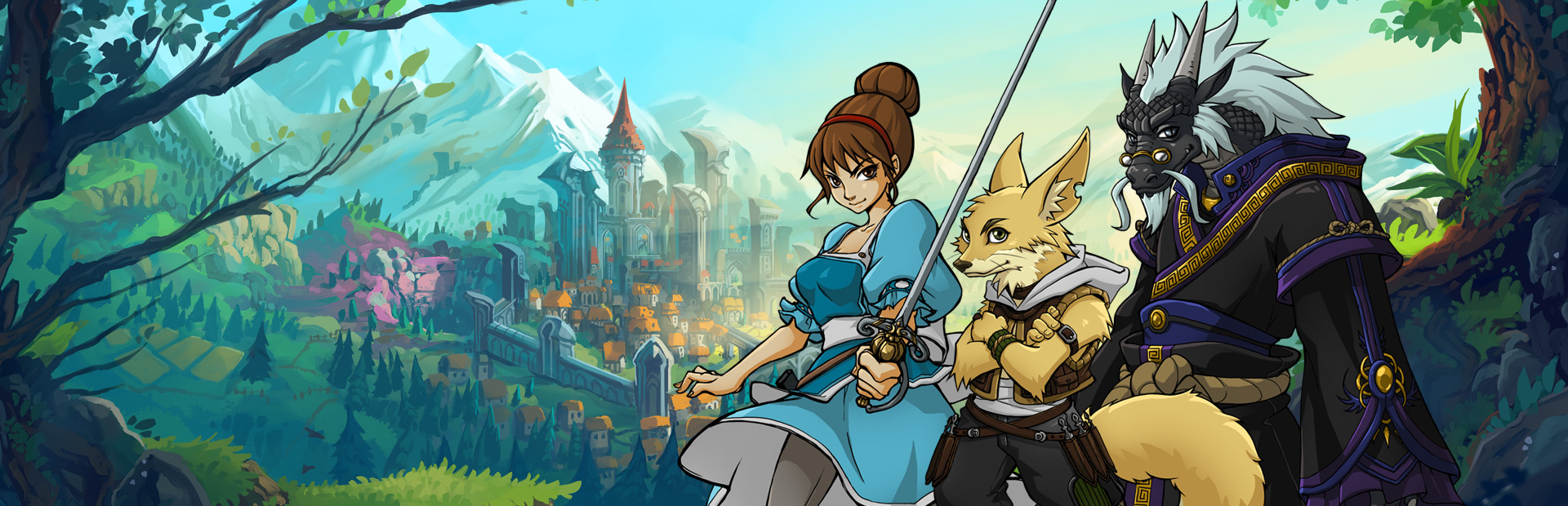
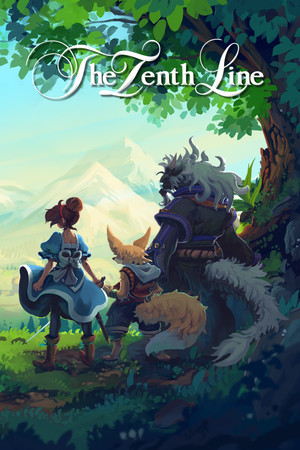
I have a soft spot for games that feel like they fell through a crack in time from 1998, and The Tenth Line is exactly that kind of find. Elliot Mahan of Sungazer Software spent two years building this solo, handling programming, writing, and design himself, and the result carries all the earnestness that implies. It wears its inspirations openly, drawing lines back to Valkyrie Profile, Final Fantasy X, and Wild ARMs without quite matching any of them, but the attempt is genuinely heartfelt and, more often than not, entertaining. The setup is a runaway princess, a talking kobold named Rik, and a black dracomage named Tox, thrown together by circumstance and held together by surprisingly well-written dialogue. Each character has unique flavor text for items, monsters, and townsfolk, and that texture quietly earns your affection across the runtime. The plot itself leans on a world prophecy called the Tenth Line, the final and still-incomplete verse of a sacred scripture foretelling the end of the world, which gives the story just enough open-ended mystery to hold your attention through the slower middle chapters. On the mechanical side, there is a lot going on. Exploration uses side-scrolling 2D platforming where all three characters must be guided through each area separately, since the follow option does not handle jumps on its own. That friction is real and becomes tiring in later stages. Combat is turn-based with active timing elements during both attack and defense phases, enemies arrive in rows and columns up to three or four deep, and special attacks feed into a skill-point chain that rewards aggressive play. Progression runs through the Power Flow board, a grid where you plug in looted items to unlock stat boosts and new skills, which draws obvious comparisons to the FFX Sphere Grid but swaps in a satisfying item-sacrifice decision for every node. On top of that, there is Quad Pro Quo, an in-universe collectible card game that has more depth than it has any right to. The game does pile these systems up fast, and a new player can feel buried inside the first hour. Stick with it. The pacing of tutorials is patient, the three difficulty modes (Full Challenge, Light, and Story) offer genuine range, and the game never punishes curiosity. The presentation sits comfortably in the 16-bit register, sprite work leaning slightly more SNES than PS1, with character portrait art that is warm and expressive. The soundtrack keeps to softer string-and-key arrangements that suit exploration and towns well, though battle music rarely hits the urgency the combat deserves. Voice acting appears during battles and cutscenes for major characters, a small luxury that signals the care behind the budget. The critical consensus lands somewhere between charmed and frustrated, and that feels accurate. The platforming triplication mechanic and the sheer density of interlocking systems test patience in ways a tighter game would not, but the character writing, the Power Flow board, and the card game are all reasons to push through. If you are the kind of player who rented obscure PS1 RPGs and still thinks about them, The Tenth Line was made for you specifically. Everyone else should start on Light difficulty and let the world reveal itself slowly.

Indie & narrative
Tags
System Requirements
Minimum
- OS
- Windows® 7 or newer, 64-bit
- Memory
- 4 GB RAM
- DirectX
- Version 9.0c
- Storage
- 2000 MB available space
- Graphics
- At least DX9 (shader model 3.0) or DX11, at least 1GB VRAM
- Processor
- SSE2 or better, 64-bit architecture
Recommended
- OS
- Windows® 7 or newer, 64-bit
- Memory
- 6 GB RAM
- DirectX
- Version 11
- Storage
- 2000 MB available space
- Graphics
- At least DX9 (shader model 3.0) or DX11, at least 2 GB VRAM
- Processor
- Intel i5 quad core
Keep exploring
Community Discussion
Be the first to comment on The Tenth Line.
Reviews & Ratings
No ratings available
Game Info
- Developer
- Sungazer Software LLC
- Publisher
- Sungazer Software LLC
- Release Date
- Mar 17, 2017