The Spirit of the Samurai
Stop-motion feudal Japan with a look borrowed from Ray Harryhausen and gameplay that, frustratingly, never quite lives up to the spectacle. Worth knowing before you spend your evening here.
GamerScout Verdict
A visual triumph for stop-motion fans who can tolerate stiff combat and messy hitboxes - everyone else should wait for a deep discount.
Compare Prices(6 stores)
Every store in this table quotes us in euros, so the EUR figure is the price the seller actually set, not our arithmetic — which is why EUR is also the currency we rank in. We only list an offer here when the store gives us its price in euros, so nothing in this table is a number we invented.
Pick USD, PLN, GBP, CAD or AUD in the header and we convert from EUR at the European Central Bank reference rate — converted amounts are prefixed with ~. Your bank or the store may apply a different rate at checkout. We never hide offers based on where you are: everyone sees this whole table.
We may earn a commission when you buy games through links on this page — at no extra cost to you. It never affects our rankings or verdicts.
Price History
Screenshots & Media
About The Spirit of the Samurai
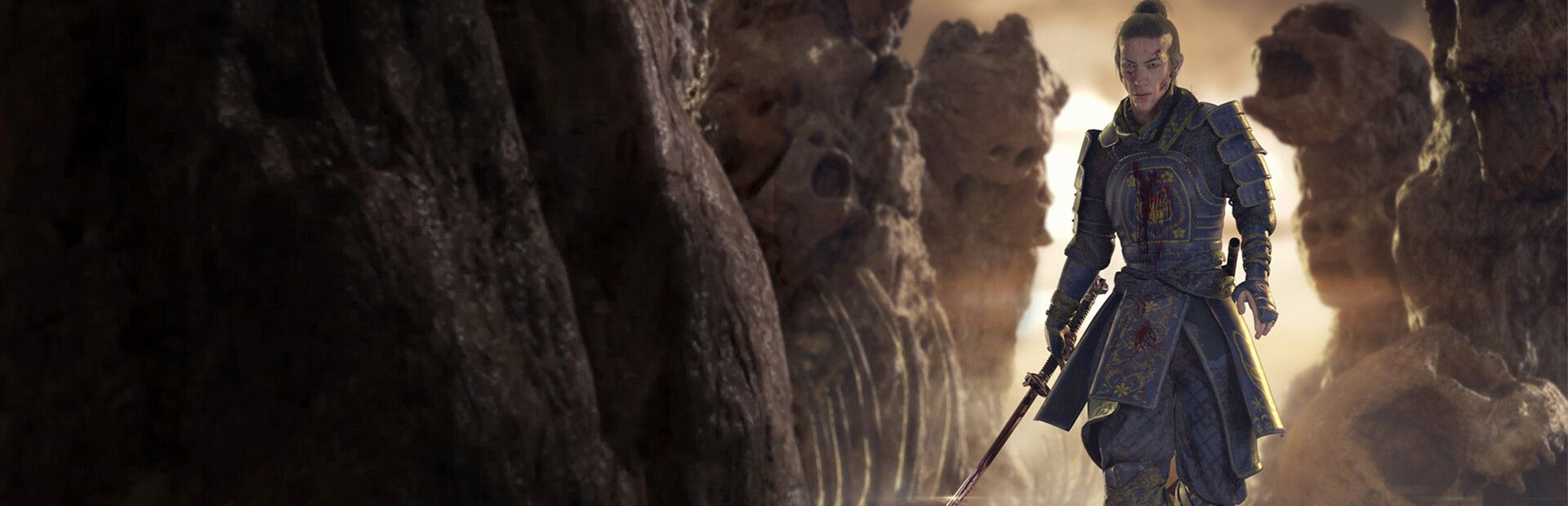
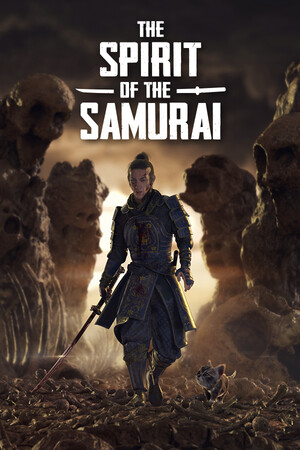
I went in already half-sold, because stop-motion animation in a video game is vanishingly rare and the screenshots alone looked like stills from a lost 1960s Kurosawa-Harryhausen collaboration. That first hour delivered on the promise visually: ruined villages rendered as meticulously constructed dioramas, fog rolling in to reveal silhouetted undead samurai, and a kitsune narrator framing the whole thing like a dark folk tale told around a fire. The atmosphere is genuinely one of the thickest I have encountered in any 2D action game, and the traditional Japanese soundtrack layers over it without ever feeling decorative. The structure underneath that gorgeous shell is a linear 2D action platformer with light Metroidvania bones. You cycle between three playable characters: Takeshi the samurai, who cuts through undead hordes with a katana, yari spear, and bow; Kodama, a tiny tree spirit who absorbs spirit energy to heal instead of using potions and fires spirit blasts at range; and Chisai, a warrior cat whose sections lean into stealth, infiltrating spaces the larger characters cannot reach. The character variety is a real idea, and on paper it works. In practice, switching from Takeshi to Kodama mostly means swapping one stiff sword swing for another only slightly different stiff sword swing, while Chisai brings genuine tonal contrast but also some harrowing death animations that the game insists on replaying if you fail. The combo customisation system, where you assign different directional attack strings using the right analogue stick, sounds promising but the attack silhouettes are so hard to read in the pause menu that most players will simply find a reliable dodge-roll-and-strike loop and stick with it for the whole game. The honest criticism runs deep. Hitboxes are messy: Takeshi frequently phases through close-range enemies mid-combo and swings at empty air. The 180-degree turn animation is slow enough that enemies approaching from behind are a consistent cheap-death source. Widely spaced checkpoints punish mistakes more than they encourage learning, and at least one reported glitch in the combo editor can brick your attack button entirely, which is a serious problem in a game built around sword combat. Platforming sections carry the same stiffness into jumping: the animation delay between input and response means precise leaps over insta-kill gaps often come down to hope rather than skill. These are not minor rough edges. They are the central experience for long stretches of the game, and they explain the mixed reception from both critics and Steam players. And yet. I keep coming back to that atmosphere. The backgrounds are visually dense in a way that rewards slow exploration. The enemy designs, tengu bird-warriors, the spider-deity Jorogumo, shambling undead samurai, are all rendered with a handmade quality that no procedural tool could replicate. The pre-rendered cutscenes, particularly the kitsune narration sequences, have a cinematic polish that feels genuinely surprising for a small studio debut. If you are the kind of player who can hold a janky action game at arm's length and treat it as a moving diorama with occasional sword swings, there is something here that no other 2D release in recent memory offers. If tight, responsive combat is the price of admission for you, this particular samurai is going to test your patience long before he reaches the Oni's castle.

Indie & narrative
Tags
System Requirements
Minimum
- OS
- Windows 10 64-bit
- Memory
- 4 GB RAM
- DirectX
- Version 11
- Storage
- 8 GB available space
- Graphics
- Nvidia GeForce GT 730 | AMD Radeon R7 240 | Intel HD Graphics 630
- Processor
- AMD FX-6300 | Intel i5 4440
Recommended
- OS
- Windows 10 64-bit
- Memory
- 8 GB RAM
- DirectX
- Version 11
- Storage
- 8 GB available space
- Graphics
- Nvidia GeForce GTX 460 | AMD Radeon HD 7850
- Processor
- AMD Ryzen 3 1200 | Intel Core i5-7600
Keep exploring
Community Discussion
Be the first to comment on The Spirit of the Samurai.
Reviews & Ratings
No ratings available
Game Info
- Developer
- Digital Mind Games
- Publisher
- Digital Mind Games
- Release Date
- Dec 12, 2024