The Shattering
Gorgeous white-and-grey mindscape, genuinely affecting themes, and a five-act structure that earns its quiet pace - if you can forgive a story that occasionally over-explains itself.
GamerScout Verdict
Recommended for walking-sim fans who respond to atmosphere over mechanics, with a caveat that the story hand-holds more than it should.
Compare Prices(4 stores)
Every store in this table quotes us in euros, so the EUR figure is the price the seller actually set, not our arithmetic — which is why EUR is also the currency we rank in. We only list an offer here when the store gives us its price in euros, so nothing in this table is a number we invented.
Pick USD, PLN, GBP, CAD or AUD in the header and we convert from EUR at the European Central Bank reference rate — converted amounts are prefixed with ~. Your bank or the store may apply a different rate at checkout. We never hide offers based on where you are: everyone sees this whole table.
We may earn a commission when you buy games through links on this page — at no extra cost to you. It never affects our rankings or verdicts.
Price History
Screenshots & Media
About The Shattering
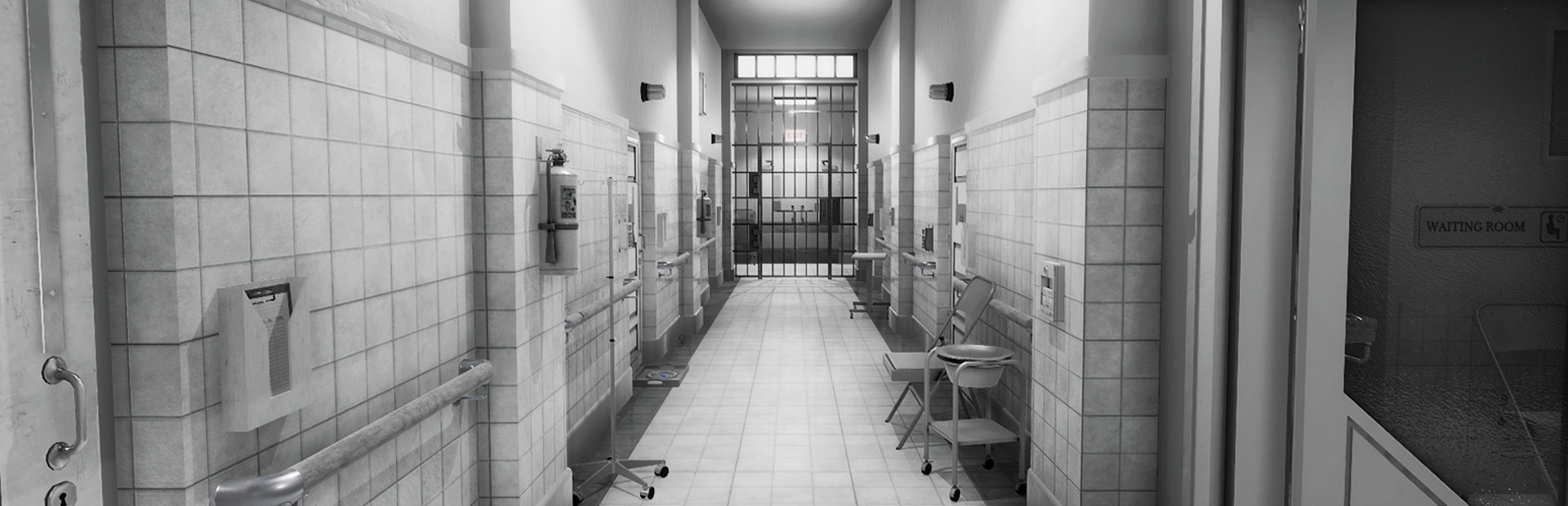
My honest reaction walking into The Shattering's opening moments was something close to relief: here is a small team that made a deliberate visual choice and committed to it fully. The world you move through is almost entirely drained of colour, a clinical white-and-grey expanse representing the fractured mind of John Evans, a writer who has undergone some kind of traumatic breakdown and is working through regression therapy with a calm, measured doctor named Dr. W. Richards. The conceit is simple and effective: you are literally inside a man's repressed memory, and the environments shift and distort around you to reflect what his psyche is willing to let you see. Mechanically, this is a walking simulator without apology. You move through rooms, interact with objects - typewriter keys, a wine glass, a child's toys, Rorschach ink blots, a hotel room you can systematically wreck - and unlocking each interaction edges the story forward. There are two moments where you have to run, and that is the closest the game gets to pressure. No puzzles of real weight, no fail states. The structure is split across four acts plus a prologue and epilogue, and each act has its own distinct setting and emotional register, from a sunlit childhood memory turning hostile to a cramped apartment spiral into alcoholism. That architectural variety is The Shattering's clearest creative strength: the team knows how to use a room. The aesthetic is where this game genuinely earns admiration. Rather than the standard horror palette of filth and darkness, the developers anchored their vision in whiteness - the blank, too-present brightness that many people living with depression or anxiety will recognise as more truthful than any shadowy corridor. Colour appears sparingly, in blues, reds, and yellows, almost always attached to something emotionally charged: a wine bottle, a rose, a smear of blood. The soundtrack shifts register with equal care, from eerie piano to a scratchy jazz standard to something closer to drone, and the voice acting holds up across the board, which is not always a given for a small European indie. Where the game struggles is with trust. The story covers grief, substance dependency, childhood trauma, and repressed memory, all subjects that reward restraint. Too often the writing pushes the symbolism past the point where a player needs to be pushed, signalling emotions that the environment was already communicating on its own. Several reviewers and community members noted the same split: the first two acts feel focused and assured, while the back half drifts toward item-hunting busywork and a twist that veterans of the genre will clock early. Narrative threads - John's alcoholism, a specific character introduced then largely abandoned - are established and then left without the connective tissue that would make them land. Motion blur can also cause issues for players sensitive to it, and there are isolated performance dips in more detailed rooms that a patch has not fully resolved. Even so, I find myself defending this one. A five-person team, members scattered across Poland, France, and Switzerland, spent years making a game about the specific texture of mental collapse that is not exploitative, not gratuitous, and not careless with its content warnings. It sits comfortably alongside Gris and Fractured Minds as a genuine attempt to represent mental illness through play rather than simply use it as atmosphere. If you have lived through periods of depression or grief, some scenes will hit harder than you expect. That is a meaningful thing for a short PC game to accomplish, even an imperfect one.

Indie & narrative
Tags
System Requirements
Minimum
- OS
- Windows 7, 8, 10
- Memory
- 6 GB RAM
- DirectX
- Version 11
- Storage
- 8 GB available space
- Graphics
- GeForce GTX 750 Ti / AMD Radeon R7 265
- Processor
- Intel Core i3-2120 (3.3 GHz) / AMD FX-4100 X4 (3.6 GHz)
Recommended
- OS
- Windows 7, 8, 10
- Memory
- 8 GB RAM
- DirectX
- Version 11
- Storage
- 8 GB available space
- Graphics
- GeForce GTX 1660 / AMD RX 580
- Processor
- Intel Core i5-4690 (3.5 GHz)/AMD FX-8300 (3.3 GHz)
Keep exploring
Community Discussion
Be the first to comment on The Shattering.
Reviews & Ratings
Game Info
- Developer
- Super Sexy Software
- Publisher
- Deck13
- Release Date
- Apr 21, 2020