
Compare The Shadow Government Simulator prices across trusted key stores and find the best deal. Developed by Chupacabra Game Studios. Published by Games Incubator. Released on 10/17/2022. Available on PC, Mac, Linux. Genres: Indie, Simulation, Strategy.

Pull strings across procedurally generated power networks as the Illuminati, Freemasons, or Templars - a low-price conspiracy sim that works best when you treat it like a puzzle, not a grand-strategy epic.

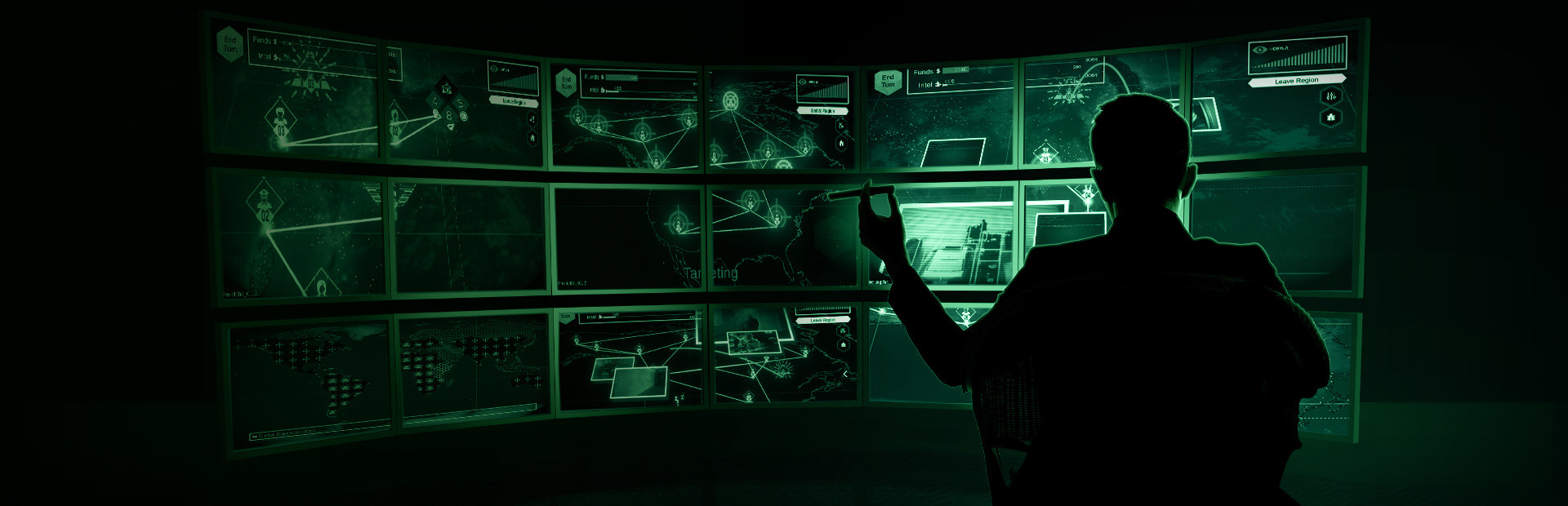
My first instinct when I loaded this up was to approach it like a lean Crusader Kings: map it, chain the influence paths, optimize the faction traits. That instinct is both correct and, if you push it too hard, exactly what will make you frustrated. The Shadow Government Simulator is a turn-based infiltration puzzle wearing a grand-strategy coat, and the sooner you calibrate your expectations accordingly, the better a time you will have with it. The core loop is cleaner than the premise suggests. You drop into a region, headquartered and blind, then spend turns scouting the local power network to identify targets: bankers, army generals, politicians, journalists, even streamers. Each figure has three numerical attributes - Intimidation, Seduction, and Bribery - and converting them is a straightforward stat contest: your number beats theirs, they join. Where it gets interesting is the connection layer. Recruited agents buff your other agents or debuff rivals through their trait chains, so building your network in the right order matters. Win the regional leader and you move to the next territory, but the difficulty scales as your global footprint grows: mounting exposure penalties and an increasingly aggressive AI push back hard in the late game. Some Steam community members have noted the exposure spiral feels punishing without an obvious mitigation path, which is a fair criticism - your toolkit for managing visibility is thinner than the threat curve sometimes demands. The three factions - Illuminati, Freemasons, and Templars - are the progression unlock structure rather than genuinely asymmetric playstyles. The faction choice at campaign start does not meaningfully change how you operate, which is a missed opportunity for build variety. Secondary objectives per region can unlock category-wide bonuses - giving every media figure an extra connection slot, for instance - and chasing those is where the closest thing to strategic depth lives. Do the short tutorial: it covers the abilities, traits, and connection mechanics in a few minutes and the game is noticeably less opaque afterward. Visually it is minimal 2D, built around a clear UI that prioritizes readable numbers over atmosphere. That is defensible for the genre - you are reading a spreadsheet of power relationships, not watching a cinematic - but anyone expecting polished production will find the presentation spartan. The procedurally generated networks do give each region a slightly different opening puzzle to solve, which helps replay value more than the flat faction selection does. Worth knowing upfront: this is a solo-developer project, and post-launch content updates have been limited, so the game you buy today is effectively the complete version. The honest pitch for this one: if you have an afternoon, enjoy the idea of stat-juggling a shadow conspiracy, and do not need 80 hours of content to feel satisfied, the loop is genuinely fun for its first several regions. If you want the kind of systemic depth where your Intimidation general synergizes with a three-tier economy model and a dynamic event system, look elsewhere. This is closer to a puzzle game that respects your time than a proper grand-strategy sim - and at its price point, that is not a damning verdict. Diego, Scout Team

The Shadow Government Simulator

The Shadow Government Simulator

Oct 17, 2022Chupacabra Game StudiosGames Incubator
GamerScout Says

Pull strings across procedurally generated power networks as the Illuminati, Freemasons, or Templars - a low-price conspiracy sim that works best when you treat it like a puzzle, not a grand-strategy epic.

PCMacLinux
Steam Deck Unsupported
Best Price Available
€0.00
at N/A
Historical low: €0.76

GamerScout Verdict

Worth a session for puzzle-minded strategy players; too shallow and content-light to hold grand-strategy veterans for long.

Compare Prices(0 stores)

Loading prices...

We may earn a commission when you buy games through links on this page — at no extra cost to you. It never affects our rankings or verdicts.

Price History

Historical low
€0.7615 Jun 2026
Keyshops
€0.71€0.75€0.80€0.849 Jun20 Jun1 Jul12 Jul23 Jul
9 Jun — 23 Jul
Create alert

Screenshots & Media

About The Shadow Government Simulator

My first instinct when I loaded this up was to approach it like a lean Crusader Kings: map it, chain the influence paths, optimize the faction traits. That instinct is both correct and, if you push it too hard, exactly what will make you frustrated. The Shadow Government Simulator is a turn-based infiltration puzzle wearing a grand-strategy coat, and the sooner you calibrate your expectations accordingly, the better a time you will have with it. The core loop is cleaner than the premise suggests. You drop into a region, headquartered and blind, then spend turns scouting the local power network to identify targets: bankers, army generals, politicians, journalists, even streamers. Each figure has three numerical attributes - Intimidation, Seduction, and Bribery - and converting them is a straightforward stat contest: your number beats theirs, they join. Where it gets interesting is the connection layer. Recruited agents buff your other agents or debuff rivals through their trait chains, so building your network in the right order matters. Win the regional leader and you move to the next territory, but the difficulty scales as your global footprint grows: mounting exposure penalties and an increasingly aggressive AI push back hard in the late game. Some Steam community members have noted the exposure spiral feels punishing without an obvious mitigation path, which is a fair criticism - your toolkit for managing visibility is thinner than the threat curve sometimes demands. The three factions - Illuminati, Freemasons, and Templars - are the progression unlock structure rather than genuinely asymmetric playstyles. The faction choice at campaign start does not meaningfully change how you operate, which is a missed opportunity for build variety. Secondary objectives per region can unlock category-wide bonuses - giving every media figure an extra connection slot, for instance - and chasing those is where the closest thing to strategic depth lives. Do the short tutorial: it covers the abilities, traits, and connection mechanics in a few minutes and the game is noticeably less opaque afterward. Visually it is minimal 2D, built around a clear UI that prioritizes readable numbers over atmosphere. That is defensible for the genre - you are reading a spreadsheet of power relationships, not watching a cinematic - but anyone expecting polished production will find the presentation spartan. The procedurally generated networks do give each region a slightly different opening puzzle to solve, which helps replay value more than the flat faction selection does. Worth knowing upfront: this is a solo-developer project, and post-launch content updates have been limited, so the game you buy today is effectively the complete version. The honest pitch for this one: if you have an afternoon, enjoy the idea of stat-juggling a shadow conspiracy, and do not need 80 hours of content to feel satisfied, the loop is genuinely fun for its first several regions. If you want the kind of systemic depth where your Intimidation general synergizes with a three-tier economy model and a dynamic event system, look elsewhere. This is closer to a puzzle game that respects your time than a proper grand-strategy sim - and at its price point, that is not a damning verdict.

Diego
Diego · Scout Team

Strategy & simulation

Tags

singleplayertier:sub-5Network ManipulationStat-Based ConversionProcedural Power NetworksExposure MechanicFaction Unlock ProgressionSolo DeveloperShort Session Friendly

System Requirements

Minimum

OS
Windows 10 64-bit
Memory
8 GB RAM
DirectX
Version 10
Storage
900 MB available space
Graphics
Nvidia GeForce GTX 1060
Processor
Intel Core i7

Recommended

Requires a 64-bit processor and operating system

Keep exploring

Community Discussion

Be the first to comment on The Shadow Government Simulator.

Reviews & Ratings

No ratings available

Game Info

Developer
Chupacabra Game Studios
Publisher
Games Incubator
Release Date
Oct 17, 2022

Price Alert

Get notified when the price drops below your target!

Create Alert

No card? Pay another way

Top up your Steam Wallet or buy crypto with any card — instant delivery, no bank account needed.

Buy smarter: helpful guides

Looking for more? See games like The Shadow Government Simulator →

Frequently asked questions about The Shadow Government Simulator

How much does The Shadow Government Simulator cost?

The Shadow Government Simulator pricing changes often and varies by store, edition and region. The live price table on this page compares the cheapest in-stock offers from trusted key stores like Eneba and Kinguin, so you always see the current lowest price before you buy.

Where can I buy The Shadow Government Simulator cheapest?

Compare The Shadow Government Simulator prices across every verified store in the price table on this page. We list the cheapest in-stock key and store offers, updated regularly, so you always see the best current deal before you buy.

What platforms is The Shadow Government Simulator available on?

The Shadow Government Simulator is available on PC, Mac, Linux.

When was The Shadow Government Simulator released?

The Shadow Government Simulator was released on 17 October 2022.

Who developed The Shadow Government Simulator?

The Shadow Government Simulator was developed by Chupacabra Game Studios and published by Games Incubator.