The Last Stand: Aftermath
Send your dying volunteers into the wasteland one by one - each run feeds a permanent upgrade web that slowly, satisfyingly tips the odds. The catch: repetition sets in faster than the infection does.
GamerScout Verdict
Solid zombie roguelite with a clever infected-protagonist hook, best for players who can forgive a thin map pool after 10-plus hours.
Compare Prices(5 stores)
Every store in this table quotes us in euros, so the EUR figure is the price the seller actually set, not our arithmetic — which is why EUR is also the currency we rank in. We only list an offer here when the store gives us its price in euros, so nothing in this table is a number we invented.
Pick USD, PLN, GBP, CAD or AUD in the header and we convert from EUR at the European Central Bank reference rate — converted amounts are prefixed with ~. Your bank or the store may apply a different rate at checkout. We never hide offers based on where you are: everyone sees this whole table.
We may earn a commission when you buy games through links on this page — at no extra cost to you. It never affects our rankings or verdicts.
Price History
Screenshots & Media
About The Last Stand: Aftermath
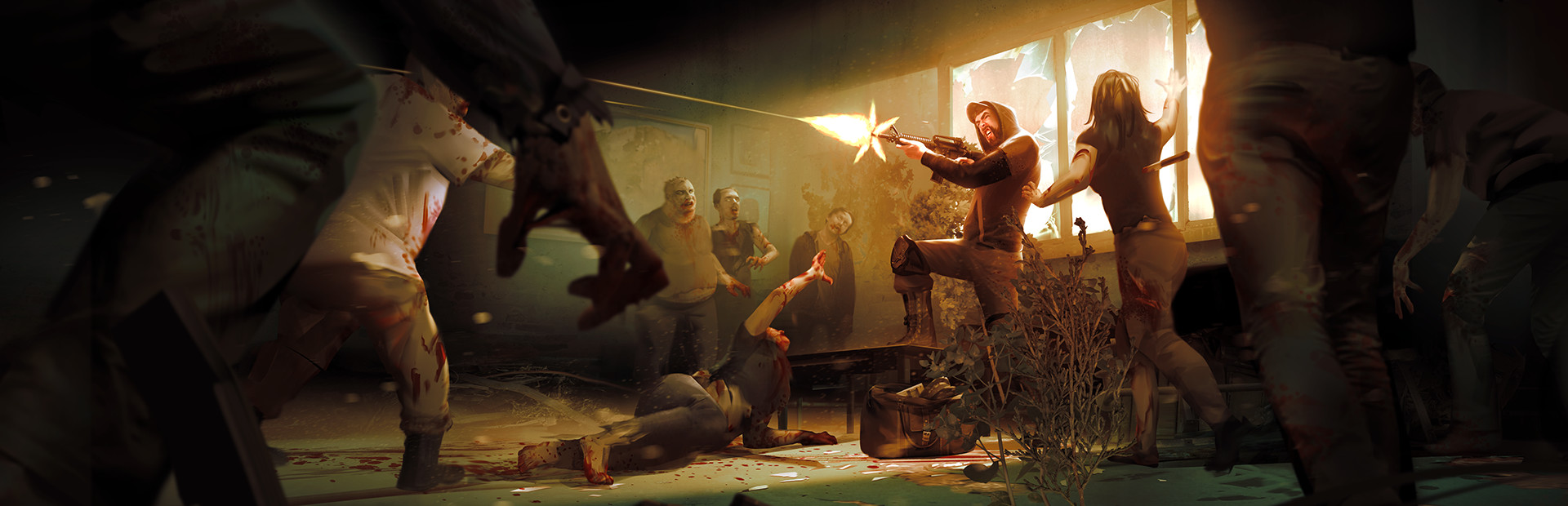
I keep thinking about the moment it clicked for me: my fourth volunteer, already sick, crouching behind a rusted-out station wagon while a cluster of infected shuffled past in the dark, deciding whether a single pistol mag was worth the noise. That tension - quiet, pressurized, genuinely uncomfortable - is what The Last Stand: Aftermath does best, and it's what makes a Metacritic score of 73 feel a little stingy. Con Artist Games built something structurally clever here. Each character you control is already infected, their max health ticking downward from the moment they leave the compound. The virus is your run timer, except it also rewards you: as infection spreads, mutations unlock that bend the rules of each run in distinct ways - tougher skin, accelerated stamina recovery, stranger things. The tension between letting the infection advance for power versus hunting antiviral doses to buy more map time is the game's real heartbeat. The mutation draws are randomized, so no two volunteers feel quite the same, even if the suburban gas stations and dark city blocks start to blur together after a dozen or so runs. Knowledge earned each run carries forward into a camp-side skill tree that gives subsequent survivors better starting tools, stamina thresholds, and infection resistance - the classic roguelite carrot that keeps you rolling the dice one more time. Combat is isometric twin-stick and works best with a controller - the game practically requires one, and keyboard-and-mouse aiming feels clumsy enough that it noticeably erodes the atmosphere. Melee weapons degrade fast, nudging you toward resource conservation and stealth. You can lob bottles to pull zombie attention, crouch through tall grass, wait out patrols under darkness. The stealth layer is light but functional, and the trade-off is real: sneaking takes time, and time is the one resource your infection never stops consuming. Weapon variety covers pistols, shotguns, rifles, and crafted improvised gear, each with distinct range and crowd-handling profiles, so loadout decisions carry actual weight. Where the game stumbles is scope versus repetition. Procedural generation does meaningful work in shuffling loot placement and encounter density, but the pool of location types and enemy variants feels thin once you have ten or fifteen runs behind you. Zombies recycle visibly, map layouts become familiar fast, and the ambient bleakness - which is genuinely well-crafted early on - starts to feel less atmospheric and more like wallpaper. Some runs also suffer from cruel loot droughts in early zones that cascade into unwinnable mid-run situations, which at a certain point stops feeling like survival tension and starts feeling like a dice roll. The inventory system's lack of a pause-on-open is a deliberate design choice, but it regularly feels punishing rather than thrilling. For fans of the original browser-era Last Stand games, this is a real and generous evolution - the sombre tone and handcrafted sense of a dying world are preserved with obvious care. For players coming fresh from Hades or Dead Cells, the loop is shallower and the content ceiling lower than those genre benchmarks, but the infection mechanic and the one-way-trip framing give it a mood and a structure those games never attempted. Arrive for the tension. Stay for the mutation combos. Accept that the map pool will outstay its welcome before your interest does.

Indie & narrative
Tags
System Requirements
Minimum
- OS
- Windows 10
- Memory
- 8 GB RAM
- DirectX
- Version 11
- Storage
- 5 GB available space
- Graphics
- Radeon RX 570
- Processor
- Intel i5-10400F
Recommended
- OS
- Windows 10
- Memory
- 8 GB RAM
- DirectX
- Version 11
- Storage
- 5 GB available space
- Graphics
- NVIDIA GTX 1080
- Processor
- Intel i7-10700K
Keep exploring
Community Discussion
Be the first to comment on The Last Stand: Aftermath.
Reviews & Ratings
Game Info
- Developer
- Con Artist Games
- Publisher
- Armor Games Studios
- Release Date
- Nov 16, 2021