
The Lacerator
Lose a limb, keep moving, figure it out later. This gnarly one-person indie from Games From The Abyss is the most inventive survival horror misfit of 2025.
GamerScout Verdict
Best for fans of classic Resident Evil and grindhouse sleaze who can tolerate clunky combat in exchange for a genuinely clever limb-loss mechanic.
Compare Prices(5 stores)
Every store in this table quotes us in euros, so the EUR figure is the price the seller actually set, not our arithmetic — which is why EUR is also the currency we rank in. We only list an offer here when the store gives us its price in euros, so nothing in this table is a number we invented.
Pick USD, PLN, GBP, CAD or AUD in the header and we convert from EUR at the European Central Bank reference rate — converted amounts are prefixed with ~. Your bank or the store may apply a different rate at checkout. We never hide offers based on where you are: everyone sees this whole table.
We may earn a commission when you buy games through links on this page — at no extra cost to you. It never affects our rankings or verdicts.
Price History
Screenshots & Media
About The Lacerator
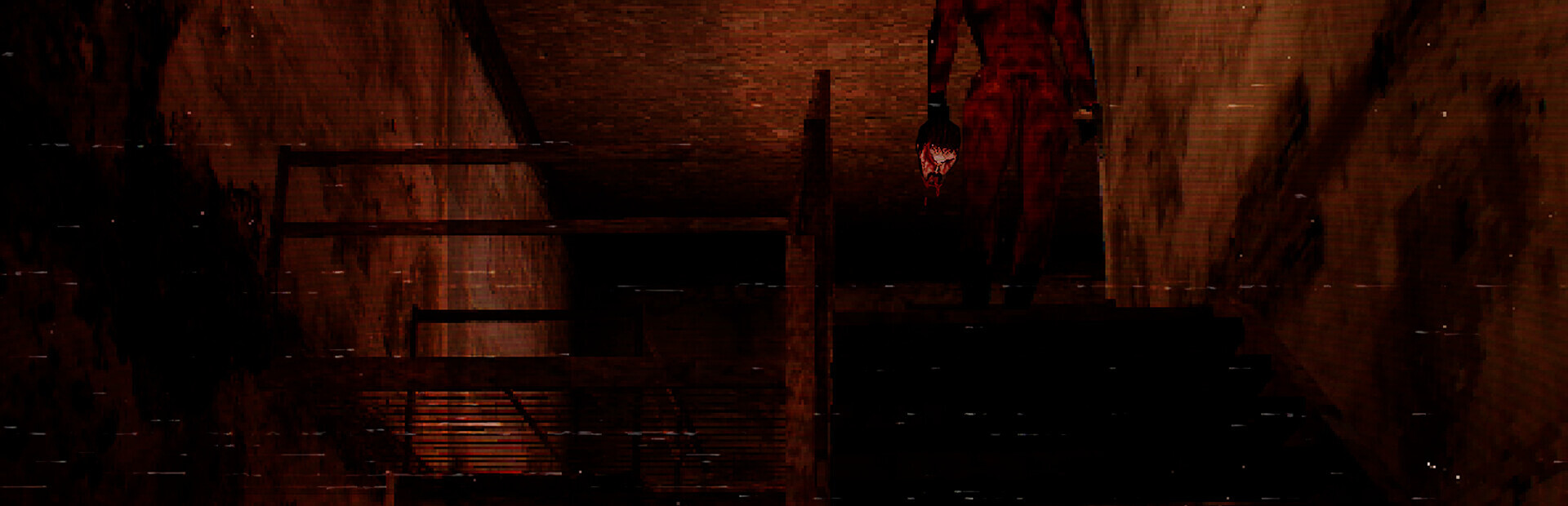
My first instinct was to laugh. Then one of Max's arms got sheared off by a trap somewhere in the third corridor, and I realized I was still playing, still limping forward, still genuinely unsure whether I was going to make it out of that lair intact. That tension, the kind that comes from a permanent consequence you have to live with rather than reload past, is where The Lacerator earns its place. The setup is weaponized bad taste in the best possible sense. You play as Max, a 1980s porn star who ends up captured alongside his crew by a masked psychopath. The tone is grindhouse schlock from the opening frame: low-poly visuals, oppressive atmospheric lighting, a soundscape that leans hard on diegetic noise (creaking floors, a muffled record player somewhere down the hall) rather than a wall-to-wall score. Developer Fernando Tittz, largely working solo under the Games From The Abyss banner, seems to understand what the classics of the genre were actually doing with silence. You hear your own footsteps more than you hear music, and that is a deliberate, effective choice. The mechanical hook is the one thing that makes The Lacerator genuinely its own thing. Losing a limb here is not a game-over screen waiting to happen. Lose a leg and Max crawls. Lose an arm and your aim with the pistol becomes a shaking, unreliable mess. The game's branching escape routes, referred to internally as flows, are partly gated by which limbs you still have attached, which means a first run and a second run through the same space feel structurally different. There are nine endings across those flows, and each path reveals narrative details the others withhold. A chainsaw arm is attainable if you find the right pieces at the right time, which is as much a nod to Evil Dead as the game's whole aesthetic is a nod to grindhouse sleaze. The inventory is tight and unforgiving, items dropped are gone permanently, and there is no storage box like the item chests in classic Resident Evil. That friction will bother some players. It bothered me occasionally. The checkpoint-only save system compounds this: the game decides when progress is recorded, not you, and since the design explicitly asks you to live with your mistakes rather than escape them, that makes a certain kind of sense even when it stings. The camera offers two modes: fixed angles with tank controls, and an over-the-shoulder third-person view closer in feel to Resident Evil 4. The fixed camera is atmospheric and feels period-correct, but combat in that mode is stiff enough to tip from challenging into frustrating, especially on first contact with enemies. The over-the-shoulder option handles better for actual fights. Both modes share the same tank control input, so neither feels like a modern action game, which is entirely the point. The absence of a map, combined with a labyrinthine lair full of ghoul-like experiments and traps, means your first run has genuine disorientation. That wears off on subsequent runs, but the branching structure gives you a reason to return anyway. A couple of things worth flagging before you commit: some minor bugs exist in the launch build, and the melee combat is the weakest part of the package regardless of camera mode. The game is also short, with a first run clocking just over an hour. For people who want ninety hours of content, this is not that. For people who want a tightly wound, genuinely weird grindhouse horror object built by someone who clearly loved the source material enough to study its restraint as much as its excess, this is exactly that.

Indie & narrative
Tags
System Requirements
Minimum
- OS
- 64 bits
- Memory
- 4 GB RAM
- DirectX
- Version 11
- Storage
- 2 GB available space
- Graphics
- GTX 960 or equivalent
- Processor
- 2.9 GHz
Recommended
Requires a 64-bit processor and operating system
Keep exploring
Community Discussion
Be the first to comment on The Lacerator.
Reviews & Ratings
No ratings available
Game Info
- Developer
- Games From The Abyss
- Publisher
- DreadXP
- Release Date
- Oct 9, 2025